
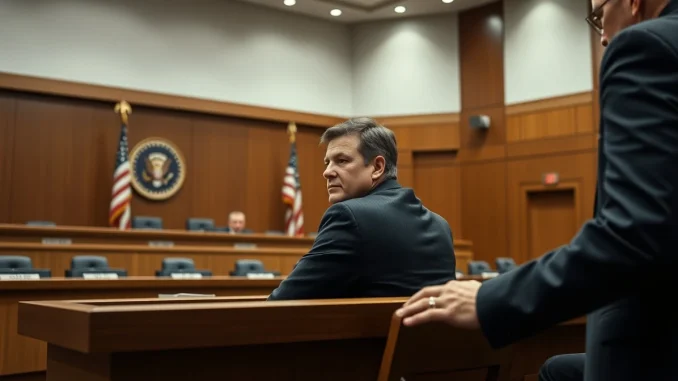
Sam Altman, the chief executive of OpenAI, spent Tuesday in a California federal courtroom defending his credibility against a barrage of questions from lawyers representing Elon Musk. The interrogation, led by attorney Steve Molo, centered on whether Altman misled the U.S. Senate and the public about his financial ties to the company he leads, and whether OpenAI’s board can truly control its CEO.
The Senate Testimony Under Scrutiny
The core of the dispute dates back to May 2023, when Altman testified before Congress about the need for AI regulation. During that hearing, Senator John Kennedy of Louisiana asked Altman if he had equity in OpenAI. Altman replied that he had no equity and was “paid enough for health insurance.” On Tuesday, Molo pressed Altman on why he did not disclose his indirect financial interest in OpenAI through a limited partner position in a Y Combinator fund.
Also read: OpenAI Limits GPT-5.6 Rollout After U.S. Government Request, Calls Restrictions a 'Short-Term Step'
“You didn’t disclose to the United States Senate that you had an interest in OpenAI through a share in a Y Combinator fund, did you?” Molo asked. Altman admitted he had economic exposure through the fund but argued it was “well understood” what it means to be a passive owner of venture funds. Molo shot back, asking whether Altman thought Senator Kennedy was a “very sophisticated investor.”
A Pattern of Alleged Misleading Conduct
Musk’s legal team presented a litany of witnesses who have accused Altman of dishonesty, including former OpenAI board members Helen Toner and Tasha McCauley, co-founder Ilya Sutskever, and Musk himself. McCauley testified that Altman fostered “a toxic culture of lying.” The November 2023 episode in which OpenAI’s board briefly fired Altman and president Greg Brockman—citing a lack of candor—has become a central piece of evidence. Altman downplayed the board’s reasoning, saying, “I do have doubts that was the full reason.”
Also read: OpenAI, Google, and SpaceX are all building their own AI chips — here's why that matters
OpenAI’s lawyers countered that Musk’s team was engaging in character assassination rather than advancing the case. They pointed to testimony from Microsoft CEO Satya Nadella, who called Altman’s firing “amateur city,” and from Bret Taylor, the current board chair, who said he found no cause for termination and described Altman as “forthright.”
Why the Board’s Power Matters
The trial’s central question is whether OpenAI’s non-profit board can truly control its for-profit subsidiary, as the company’s mission requires. Musk’s lawyers argue that the 2023 firing—and Altman’s rapid reinstatement after most employees threatened to resign—shows that Altman’s influence exceeds that of the board. When asked if he would ever fire himself, Altman replied that he had no plans to do so. When asked if he could be trusted, he answered, “I believe I am an honest and trustworthy business person.”
Conclusion
The jury and Judge Yvonne Gonzalez Rogers must now weigh Altman’s credibility against the structural question of whether OpenAI’s governance lives up to its founding mission. The outcome could reshape how the most advanced AI models are controlled and who ultimately holds power over them.
FAQs
Q1: What is the main legal issue in the trial?
The trial centers on whether OpenAI’s non-profit board can effectively control the for-profit arm and whether Sam Altman misled Congress and the board about his financial interests and honesty.
Q2: Why did Sam Altman’s 2023 firing become relevant?
The board briefly fired Altman for lacking candor, but he was reinstated after most employees threatened to resign. Musk’s lawyers argue this shows Altman’s power exceeds the board’s authority.
Q3: What did Altman say about his financial interest in OpenAI?
Altman told Congress he had no equity, but later admitted he had indirect economic exposure through a Y Combinator fund. He maintains this was a passive investment and well understood in the venture community.






Be the first to comment