
Russia has expanded its cryptocurrency mining restrictions to include Moscow, the Moscow Region, and parts of the Kursk Region, with the ban set to take effect on Aug. 15, 2026, and remain in force until Dec. 31, 2032. The move, formalized under Resolution No. 936 signed by Prime Minister Mikhail Mishustin on July 25, 2026, amends an earlier mining restriction order issued in December 2024, according to records published on Pravo.ru.
Scope of the expanded ban
The updated rules add Moscow, the Moscow Region, and several territories in Russia’s Kursk Region to the list of restricted areas. The ban also covers eight municipal districts and the city of Lgov in Kursk Region. These areas join previously restricted regions, including parts of Buryatia and the Zabaykalsky Krai, where a mining ban is set to run from April 1, 2026, through March 15, 2031.
Also read: UK FCA Gets 123 Tokenization Responses, Plans Joint Roadmap With Bank of England
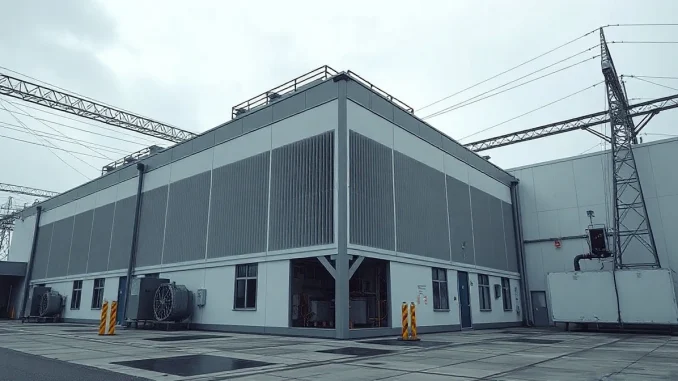
The restrictions are primarily driven by concerns over electricity supply. The Moscow Region’s Energy Ministry has previously stated that a mining ban was necessary due to growing electricity demand, according to TASS. The ministry estimated that Moscow and the Moscow Region have 65 data centers connected to the power grid with a combined capacity of 734 megawatts (MW), including 19 data centers in the Moscow Region with 233 MW of capacity.
Context and implications
Russia has been tightening its grip on cryptocurrency mining since December 2024, when the government first introduced regional bans in areas facing power shortages. The expansion to Moscow — the country’s capital and economic hub — signals a more aggressive approach to managing energy resources amid rising industrial demand.
Also read: Revolut Attackers Threaten Daily Data Leaks After Customer IDs Exposed
For miners, the ban adds another layer of regulatory uncertainty. Moscow has historically been a secondary hub for mining operations compared to regions with cheaper electricity, but the inclusion of the capital and its surrounding region could push some operations to relocate to more favorable areas, such as Siberia, where energy is more abundant.
What this means for the crypto industry
The move is part of a broader trend in Russia to regulate digital assets more tightly. While the government has legalized mining under certain conditions, it has simultaneously imposed restrictions in regions where the power grid is strained. This dual approach reflects the tension between building a domestic crypto industry and maintaining grid stability.
For international observers, the ban underscores the increasing regulatory complexity of mining in Russia, a country that has become a significant player in the global Bitcoin hash rate. Miners operating in restricted areas will need to seek alternative locations or face legal consequences.
Conclusion
Russia’s expansion of its crypto mining ban to Moscow and parts of the Kursk Region through 2032 highlights the government’s priority on energy security over cryptocurrency development. The restrictions, effective Aug. 15, 2026, are expected to reshape the country’s mining field, pushing operations toward regions with surplus power. As the regulatory environment evolves, miners and investors will need to closely monitor further policy shifts.
FAQs
Q1: Why is Russia banning crypto mining in Moscow?
The ban is driven by concerns over electricity supply. The Moscow Region’s Energy Ministry cited growing electricity demand as the primary reason, with data centers consuming significant power.
Q2: When does the ban take effect and how long will it last?
The ban takes effect on Aug. 15, 2026, and will remain in place through Dec. 31, 2032, as per Resolution No. 936.
Q3: Which areas are affected by the expanded ban?
The ban applies to Moscow, the Moscow Region, and several territories in the Kursk Region, including eight municipal districts and the city of Lgov. Previously, parts of Buryatia and the Zabaykalsky Krai were also restricted.






Be the first to comment