
In this article4 sections
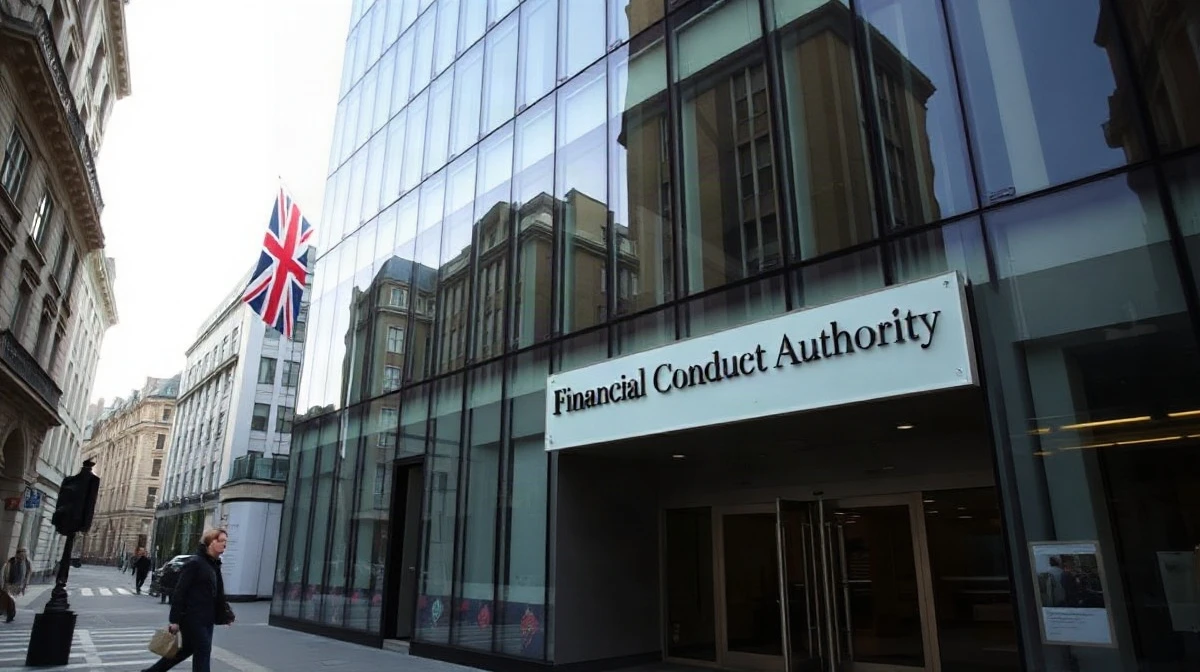
The United Kingdom’s Financial Conduct Authority (FCA) has reportedly opened discussions with prediction market companies about whether to lift a ban that has barred retail investors from accessing platforms such as Polymarket and Kalshi since 2019.
According to a Friday report from The Times, the regulator is weighing whether to relax the prohibition on binary options, which include event-based contracts covering sports, politics, and weather. The FCA first imposed the ban in April 2019, when it prohibited firms from selling, marketing, or distributing binary options to retail consumers.
Also read: Mark Zuckerberg reportedly ordered Meta staff to build moneyless prediction market app 'Arena'
At the time, Christopher Woolard, the FCA’s executive director of strategy and competition, described binary options as “gambling products dressed up as financial instruments.” The ban was introduced after the regulator found evidence of widespread consumer harm, including significant losses among retail traders.
VPN workarounds and growing demand
The Times report suggests that many UK-based retail investors have continued to access prediction markets by using virtual private networks (VPNs) to bypass geographic restrictions. Platforms like Kalshi and Polymarket, both of which operate primarily in the United States, have seen growing volumes despite the regulatory barriers.
Also read: Kalshi posts record $9.4B June trading volume as World Cup drives prediction market surge
The potential shift comes as the prediction market industry expands rapidly. Bernstein Research estimated in April that total trading volume across the sector could reach approximately $240 billion in 2026 and potentially $1 trillion by 2030. Such figures highlight the commercial significance of the market and the pressure on regulators to adapt.
US legal battles cast a shadow
Should the FCA overturn its 2019 ban, platforms like Kalshi and Polymarket may face regulatory challenges in the UK similar to those they are currently managing in the United States. Several individual state gaming authorities have filed lawsuits against these companies over sporting event contracts, arguing that such offerings constitute unlicensed gambling.
Last week, New Jersey officials petitioned the Supreme Court to hear their case against Kalshi, a move that could ultimately clarify the jurisdictional boundaries between state and federal authorities regarding prediction markets. The outcome of that case may influence how other regulators, including the FCA, approach the sector.
Why this matters for UK investors
For UK retail investors, the FCA’s review represents a potential turning point. If the ban is lifted, platforms could legally offer event-based contracts to UK users, providing new avenues for trading but also raising concerns about consumer protection. The FCA has historically taken a cautious stance on high-risk financial products, and any regulatory change would likely come with safeguards.
The regulator has not yet made a formal announcement, and the timeline for any decision remains unclear. However, the fact that the FCA is engaging directly with prediction market companies signals a willingness to reconsider its position in light of market developments and international regulatory trends.
Conclusion
The FCA’s reported review of its prediction market ban marks a notable development in the evolving relationship between traditional financial regulation and emerging event-based trading platforms. While no decision has been made public, the discussions reflect broader questions about how to classify and oversee products that blend elements of gambling and investing. For now, UK retail investors must continue to rely on VPNs to access these platforms, a workaround that carries its own legal and security risks.
FAQs
Q1: What exactly is the FCA considering changing?
The FCA is reportedly reviewing its April 2019 ban on binary options for retail investors. This ban currently prevents platforms like Polymarket and Kalshi from offering event-based contracts—covering sports, politics, weather, and similar topics—to UK-based retail consumers.
Q2: Why did the FCA impose the ban in the first place?
The FCA introduced the ban in 2019 after determining that binary options were causing significant consumer harm. The regulator described them as “gambling products dressed up as financial instruments” and cited evidence of widespread losses among retail traders.
Q3: How might a lifting of the ban affect UK retail investors?
If the ban is lifted, UK retail investors could legally access prediction market platforms without needing to use VPNs. However, any regulatory change would likely include consumer protections, and platforms may still face legal challenges similar to those seen in the US, where state authorities have sued over sporting event contracts.
Source: Cointelegraph