
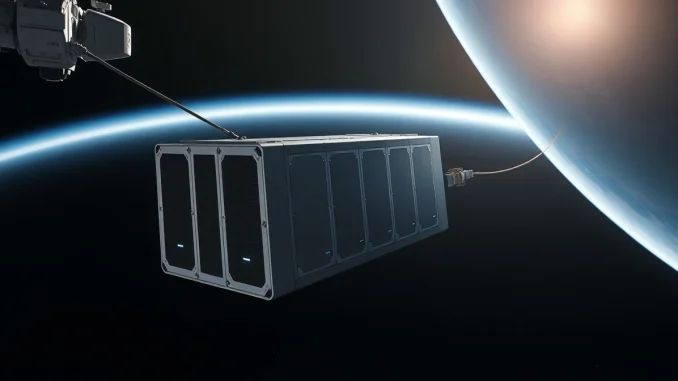
Google and SpaceX are in early-stage discussions to deploy orbital data centers in space, according to a report from The Wall Street Journal citing sources familiar with the matter. The potential collaboration would mark a significant shift in how cloud computing infrastructure is built and operated, moving critical hardware off the planet and into orbit.
Why space-based data centers are on the table
The talks come as SpaceX prepares for its highly anticipated $1.75 trillion initial public offering later this year. A key part of the company’s pitch to investors is the idea that orbital data centers could become the most cost-effective location for running artificial intelligence workloads within the next few years. Proponents argue that space-based facilities avoid the land-use disputes, power grid constraints, and local opposition that frequently delay terrestrial data center construction in the United States.
Also read: Claude is quietly winning over paying AI consumers, data shows, even as ChatGPT still dominates
SpaceX founder Elon Musk has publicly promoted the concept, claiming that orbital operations could be cheaper than ground-based alternatives over time. However, a recent analysis by TechCrunch noted that current launch and satellite construction costs still make terrestrial data centers significantly more economical for the foreseeable future.
Google’s history with SpaceX and Project Suncatcher
This is not Google’s first major bet on SpaceX. The search giant invested $900 million in the rocket company in 2015, according to regulatory filings. More recently, Google launched an internal initiative called Project Suncatcher late last year, with plans to launch prototype satellites by 2027. The project is aimed at exploring the feasibility of space-based computing infrastructure.
Also read: Databricks' former AI chief claims his new chip can cut AI's energy bill by 1,000x
Google is also reportedly in talks with other rocket-launch companies, suggesting the company is evaluating multiple pathways to orbit rather than committing exclusively to SpaceX.
SpaceX’s growing AI ecosystem
The orbital data center discussions follow SpaceX’s deal last week with Anthropic to use computing resources from xAI’s data center in Memphis, Tennessee. SpaceX acquired xAI in February, consolidating Musk’s AI ambitions under the SpaceX umbrella. The agreement with Anthropic includes the potential for future collaboration on orbital data centers, indicating that SpaceX is already positioning itself as a provider of space-based compute services to major AI players.
What this means for the industry
If realized, orbital data centers could reshape the economics of AI infrastructure. Space-based facilities would have access to near-constant solar power and could theoretically operate with lower cooling costs in the vacuum of space. However, the upfront investment in satellite manufacturing, launch vehicles, and orbital maintenance remains prohibitive.
For Google, the move aligns with its broader strategy to secure compute capacity for its AI services, including its Gemini model and cloud offerings. For SpaceX, it represents a potential new revenue stream beyond satellite launches and Starlink internet services.
TechCrunch has reached out to both Google and SpaceX for comment but has not yet received a response.
Conclusion
The talks between Google and SpaceX represent one of the most ambitious infrastructure concepts in the tech industry today. While orbital data centers are still years from becoming commercially viable, the discussions signal that major players are seriously exploring space as the next frontier for AI compute. The outcome will depend on whether launch costs continue to fall and whether the operational advantages of space can outweigh the enormous capital expenditure required.
FAQs
Q1: Are orbital data centers actually cheaper to operate than ground-based ones?
Not yet. Current launch and satellite construction costs make terrestrial data centers far more economical. SpaceX and advocates argue that costs could drop significantly within a few years, but today the math does not favor space-based facilities.
Q2: What is Project Suncatcher?
Project Suncatcher is a Google initiative announced in late 2025 to explore space-based computing. The company plans to launch prototype satellites by 2027 as part of this project.
Q3: How does the SpaceX acquisition of xAI relate to this?
SpaceX acquired xAI in February 2026, giving it direct control over AI compute resources. The subsequent deal with Anthropic to use xAI’s Memphis data center includes provisions for future collaboration on orbital data centers, linking SpaceX’s AI ambitions directly to its space infrastructure plans.






Be the first to comment