
In this article5 sections
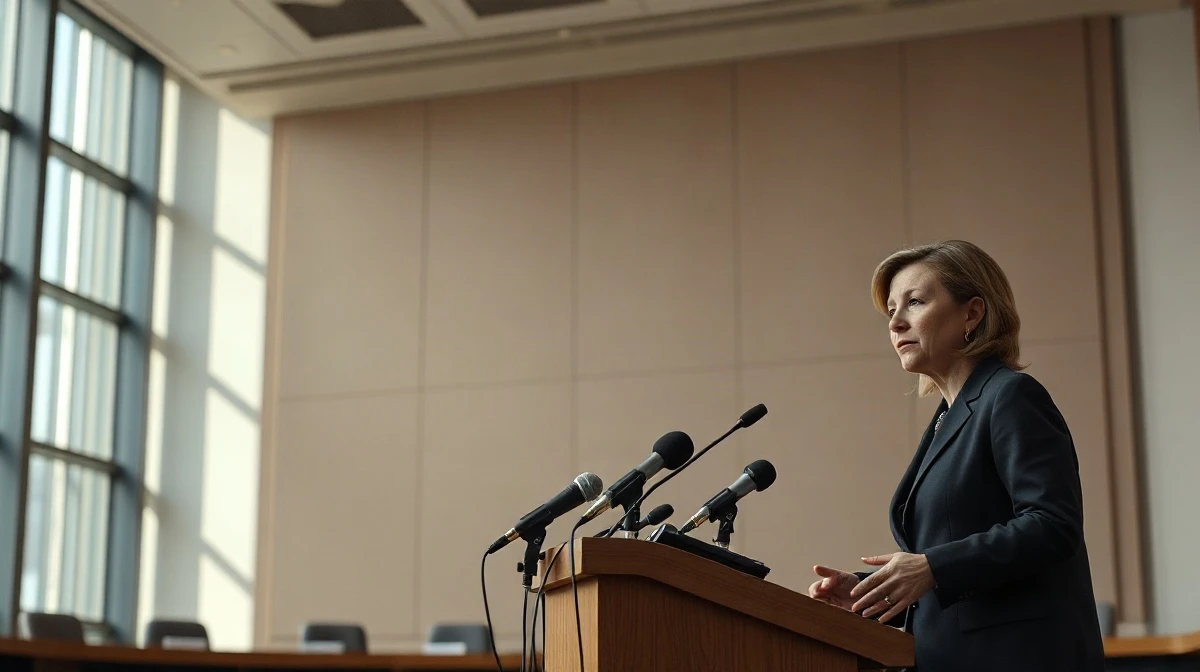
Russia has more than 270,000 digital ruble accounts less than two months after the central bank digital currency went live nationwide, Bank of Russia Governor Elvira Nabiullina said at a press conference on October 23, Cointribune reported. Of the total, about 15,000 belong to legal entities and individual entrepreneurs, and Nabiullina said interest in the project ran well ahead of the central bank’s own expectations.
The figures were reported by both Cointribune and News.bitcoin, which carried the same 270,000 total and the same 15,000 split for business accounts. The launch date of September 1, 2026, was confirmed in both accounts.
Also read: Russia Pays Finance Ministry Staff in Digital Rubles
Key facts
- The central bank counted 270,000 digital ruble accounts roughly eight weeks after the September 1 nationwide launch.
- Roughly 15,000 of those accounts were opened by legal entities and individual entrepreneurs.
- By September 11, ten days after launch, the Bank of Russia had reported 87,000 accounts and more than 50,000 transactions.
- The digital ruble was piloted starting in August 2023 before its national rollout.
- Nabiullina said a subscription-style recurring payments service would launch toward the end of November.
Growth from launch day to late October
The account count has roughly tripled since the first public figures in mid-September, when the regulator reported 87,000 openings just ten days after the nationwide launch. Nabiullina said the level of interest had proven stronger than expected, adding that the bank’s initial forecasts had probably been modest.
News.bitcoin quoted her saying that small and medium businesses and individual entrepreneurs show a very significant interest in what the digital ruble can offer them. Cointribune likewise identified SMEs as one of the categories most engaged with the currency.
Also read: Sberbank Cleared to Trade Crypto and Custody Assets in Russia
Neither outlet reported a fresh transaction count, transferred volume, or the number of genuinely active users at the time of the announcement. The central bank did not provide those figures for the new total, so the 270,000 number measures open accounts rather than routine use.
Payroll, ATM withdrawals and offline payments
The Bank of Russia is building out services around the currency. After November’s subscription service, it plans to test offline payments next year, which would allow certain transactions without a persistent internet connection. Cointribune noted that technical details for that feature have not been specified.
Payroll is already in motion. Employees of the Russian Ministry of Finance received their salaries in digital rubles in early October, with the option available to other Russian citizens and remaining voluntary for workers, according to both reports. Anatoly Aksakov, who heads the State Duma Committee on the Financial Market, said the network could connect to fiat banking systems to allow direct cash withdrawals at ATMs, News.bitcoin reported; that detail does not appear in Cointribune’s account.
For individuals, transfers and payments are free and accounts can be topped up from conventional bank accounts at up to 300,000 rubles a month. Companies have a fee-free period through the end of 2026, after which charges are expected in 2027, Cointribune reported. Banks are required to adopt the infrastructure over time, with the largest institutions live since September 1 and other establishments joining in 2027 and 2028. Sberbank has raised reservations about public demand and the effect on bank deposits, per Cointribune.
Why it matters
The digital ruble is a third form of the national currency alongside cash and commercial bank deposits, issued and operated directly by the central bank, with users reaching it through participating banks. That makes it a different instrument from Bitcoin or privately issued stablecoins, even as Russian institutions explore crypto for other purposes: Cointribune reported that the country’s largest bank plans to accept Bitcoin, Ethereum and USDT as loan collateral.
Against a population of more than 140 million, 270,000 accounts remains an early-stage figure, and the growth is partly mechanical because participating banks must progressively integrate the system. Whether account openings turn into regular payments is the test the central bank now faces.
What to watch
The next signal will be the Bank of Russia’s transaction and active-user data for the period covered by the 270,000 figure, which the regulator has not published. The recurring payments service expected in late November, and the offline payments test planned for next year, are the next concrete milestones.
Reported by cointribune.com.
Sources: Cointribune, News.bitcoin