
In this article3 sections
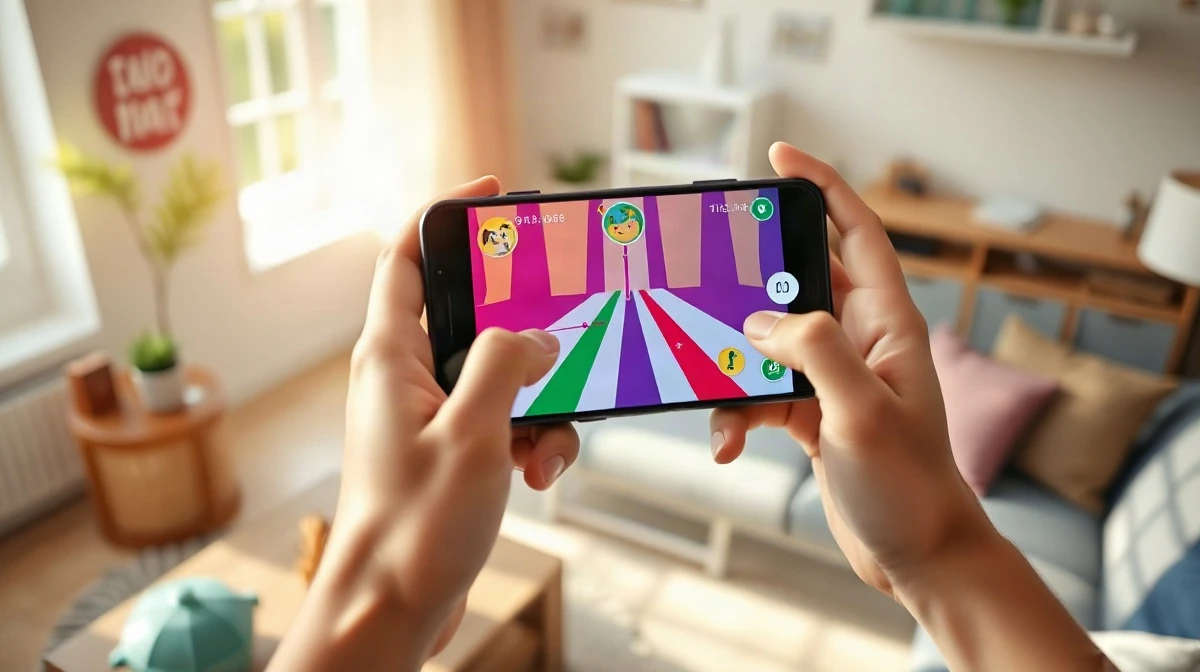
Meta’s experimental AI-powered gaming app, Pocket, is now available to all users in the United States, marking the company’s latest push to make AI creation tools mainstream. The app, which quietly launched in Brazil last month, allows users to generate small, interactive games using simple AI prompts, then publish them to a scrollable feed for others to play, remix, and share.
Pocket is built on the foundation of Meta’s acqui-hire of the team behind the vibe-coded gaming platform Gizmo earlier this year. These games, referred to as “gizmos,” respond to touch and the tilt of a phone, play sound effects, and can incorporate clips of favorite songs. Users can also pull photos from their camera roll or use their device’s camera to personalize their creations.
Also read: Facebook tests standalone AI companion app to help creators grow audiences
How Pocket works
Unlike traditional game development, Pocket requires no coding knowledge. Users describe the game they want in natural language, and the AI generates a playable experience. Once created, the game can be shared on a user’s profile, where others can save it, remix it into something new, or simply repost it. This social loop is designed to encourage a community of creators and players, similar to platforms like Roblox but with a much lower barrier to entry.
The app is the latest example of Meta’s broader strategy to integrate AI into its consumer products. Earlier efforts included AI-generated images in the Meta AI app and AI videos through an experimental app called Vibes. Pocket joins a growing roster of standalone mobile applications from Meta, reflecting CEO Mark Zuckerberg’s belief that AI-enabled software development is accelerating the company’s ability to test and ship new ideas.
Also read: AI-driven layoffs in tech surpass 120,000 in 2026: A running list of major cuts
Meta’s rapid app experimentation
During Meta’s July earnings call, Zuckerberg highlighted this accelerated pace. “Earlier this year, we shipped Instagram Instants. We also just launched Forum, a stand-alone Groups app, and Seller, a stand-alone Marketplace app. I expect it to become a lot easier to ship new apps,” he told analysts. “So we are planning to build out more ideas and use our recommendation systems to scale them.”
In addition to Instants, Forum, and Seller, Meta has shipped an experiment involving AI bedtime stories, and this week, a Meta AI app for Mac. This flurry of releases underscores a strategic shift: instead of waiting to integrate every feature into its main apps, Meta is using AI to rapidly prototype and launch standalone apps, letting user engagement decide which ones get more investment.
What this means for creators and the market
Pocket’s U.S. launch is significant for several reasons. For creators, it represents a new, accessible way to build and share interactive content without any technical skills. The ability to remix others’ games adds a collaborative dimension that could support a viral loop, similar to what TikTok did for short-form video.
For the broader tech industry, Pocket is a test case for whether AI-generated, user-driven content can become a sustainable social product. If successful, it could pressure other platforms like Snapchat or Discord to explore similar AI creation tools. It also signals that Meta is willing to experiment aggressively, even if many of these apps may not survive long-term. The company’s use of AI to lower development costs means it can afford to try many ideas and let the market decide.
As Meta continues to roll out these standalone apps, the key metric will be user retention and whether the social sharing loops are compelling enough to keep people coming back. Pocket’s success or failure will likely inform Meta’s next wave of AI-powered product launches.
This article is for informational purposes only and does not constitute financial or investment advice. The technology and social media markets are volatile, and the success of new products is uncertain.