
In this article5 sections
Ledger has confirmed that tampered hardware wallets reached buyers in Berlin and is investigating two suspected units in Dubai, the company said in a support-site update published Wednesday, Bitcoin Magazine reported. The cases are an extension of a probe the wallet maker opened in October, when it traced stolen recovery phrases to devices sold through resellers in Southeast Asia.
Ledger said the new findings share the same origin as the October incidents, describing them in the update as “the same incident” rather than a separate episode. Decrypt reported that the company had previously characterized the problem as a localized Southeast Asian matter; the Berlin and Dubai cases move it beyond that region.
Also read: MediaMarktSaturn Pulls Ledger Devices After Tampering Reports
Key facts
- Ledger confirmed tampered units in Berlin — described in its update as “a few tampered units” — and is investigating two suspected devices in Dubai, per Bitcoin Magazine.
- Every confirmed device carries the same physical modification, designed to read a user’s recovery phrase while the wallet is being set up, according to Ledger.
- Ledger found one affected Nano Gen5, its newer model, among the Southeast Asian resellers it had already paused.
- Crypto Briefing reported that two Dubai users lost a combined $604,000, with both wallets bought from Virgin Megastore in Dubai, an authorized Ledger seller.
- Ledger says there is no flaw in its secure chip or operating system and no confirmed case involving a device bought on ledger.com.
Advice for Berlin buyers and how the implant works
Ledger asked anyone who purchased one of its devices in Berlin since January 2026 to contact its support team. In Dubai, it said it is working with distribution partners to establish how the two suspected units entered circulation, and its Donjon security team is examining devices that are under suspicion. Resellers have been asked to pause sales wherever inspections are still running.
The company’s guidance to worried customers is to stop using the device and not open it themselves. It recommends moving funds to a new wallet created on a device bought directly from ledger.com, without reusing the old recovery phrase or passphrase, because a tampered unit can capture both, and it advises filing a report with local authorities. For a limited time, Ledger is offering physical inspections, including X-rays, at its factory in Vierzon, France.
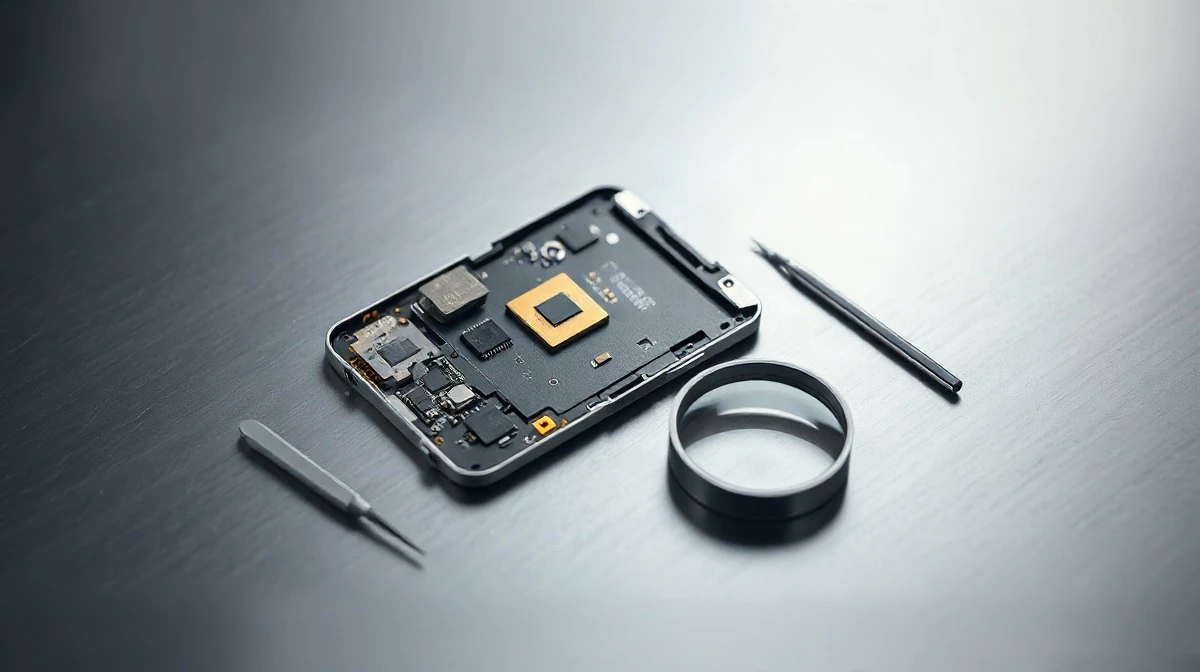
The mechanism behind the thefts was set out by Bitcoin Magazine. Researchers who opened affected units found a small chip, an eSIM and a cellular module concealed inside the casing. The implant read the 24-word recovery phrase off the screen during setup and transmitted it over a mobile network. Because the original secure chip was left intact, Ledger’s Genuine Check was unable to flag the added hardware — which is how the company can maintain that its chip is sound while a problem exists. Anyone holding the recovery phrase can rebuild every key on the wallet, including bitcoin keys, from anywhere.
Dubai losses and competing accounts of the scale
Crypto Briefing reported that the two Dubai buyers lost a combined $604,000. One case involved a Ledger Flex whose owner lost roughly 1,300 SOL, reported on November 15, 2026; the device was confirmed to contain a hardware implant, verified through a public OSINT registry. The other involved a Ledger Stax bought on October 11, 2026, whose owner reported the theft of 507,000 USDT on or around November 14, 2026; that case is still classified as a suspected compromise and the user has sought a forensic examination.
The reports differ on the size of the losses. Crypto Briefing puts the Dubai figure at $604,000. Bitcoin Magazine cited one blockchain analytics firm’s estimate of about $1.68 million taken from 16 wallets in Dubai and Berlin, after that firm put Southeast Asian losses at about $102 million across 335 wallets last month. Decrypt, citing onchain investigators, reported a suspected drain of about $87 million from hundreds of victim wallets across Ethereum, Tron and Bitcoin, and noted that Ledger later asked resellers in seven Asian markets to pull devices from sale. Ledger has not published its own loss figure.
Decrypt and Crypto Briefing both reported that the Dubai devices were bought at a Virgin Megastore location.
Why it matters
A recovery phrase is the master key to a wallet; whoever holds it controls the funds on any compatible device, and no password reset or fraud process can reverse that. The Dubai cases matter because the usual first rule of hardware wallet safety — buy through an official channel — did not protect those buyers, pointing to a gap between Ledger’s warehouse and the store shelf, or inside a specific retail operation. Ledger has described the incidents as localized attacks within retail distribution channels rather than a systemic supply-chain failure, according to Crypto Briefing, and has told resellers that returned devices must never be resold. The timing is awkward for the sector: Bitcoin Magazine and Decrypt both reported that rival Trezor said this week a breach at a third-party shipping partner exposed information tied to about 27,000 orders.
What to watch
The open question is the Stax case in Dubai: if a forensic examination confirms tampering, two different Ledger models will have been compromised through the same retail channel. Ledger has also said it expects more devices to surface through its investigation and social media, and how retailers handle returned stock will show whether the entry point it identified has been closed. This article is not financial advice; crypto markets are volatile and uncertain.
Reported by Bitcoin Magazine.