
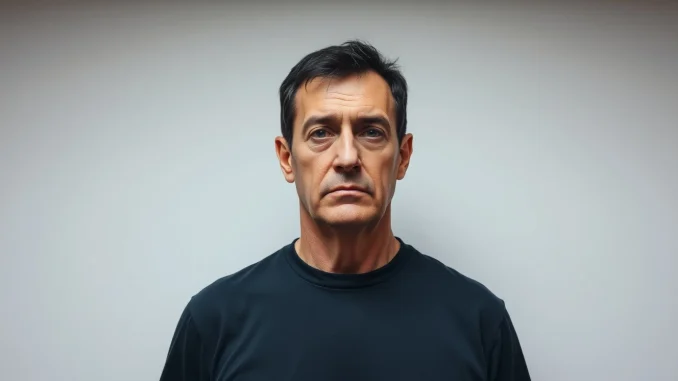
Keonne Rodriguez, co-founder of the cryptocurrency mixing protocol Samourai Wallet, is publicly appealing to the crypto community for financial assistance after accumulating approximately $2 million in legal debt and fines. In a post on X on Wednesday, Rodriguez described being “financially wiped out” and said he has exhausted all other options to cover costs tied to his criminal trial.
Background of the case
Rodriguez and fellow Samourai Wallet co-founder William Lonergan Hill were sentenced on November 19 to five and four years in prison, respectively, after pleading guilty to operating an unlicensed money transmitting business. The charges stemmed from allegations that the protocol facilitated money laundering by allowing users to obscure the origin of cryptocurrency transactions.
Also read: Botanix shutdown: Does Bitcoin DeFi have a demand problem?
The pair were initially charged in April 2024 with conspiracy to commit money laundering and operating an unlicensed money transmitter. After initially pleading not guilty, they changed their pleas in July 2025 to guilty on a single charge of operating an illegal money transmitter. Rodriguez told journalist Natalie Brunell in a December interview that the decision to plead guilty came after assessing the financial burden of a full trial, which could have resulted in significantly longer prison time and millions more in legal fees.
Financial strain and donation appeal
Rodriguez said he owes $2 million in legal fees and a $250,000 fine imposed by the sentencing judge. “We are entirely out of options. We need to pay off these legal bills and other debts accrued attempting to defend myself. We desperately need your help. Now,” he wrote on X.
Also read: Bitcoin Options Traders Hedge Downside as Uncertainty Lingers, Anchorage Digital Reports
According to estimates from online legal marketplace Lawful, criminal defense lawyers typically charge between $200 and $500 per hour, with retainer fees exceeding $10,000. Costs rise significantly depending on case complexity and the number of attorneys involved.
Presidential pardon unlikely
US President Donald Trump said in December that he would review Rodriguez’s case and consider a pardon. A petition supporting a pardon has gathered 15,953 signatures. However, Rodriguez acknowledged that his prospects for clemency are low, unlike Trump’s pardons of Binance founder Changpeng Zhao and Silk Road founder Ross Ulbricht.
“There was some hope during the Bitcoin 2026 conference, but that has now come and gone, and one must come to terms with the fact that I am simply a federal prisoner without money, power, or influence, and I will serve my full sentence,” Rodriguez said. He added that he had hoped to resolve the situation himself but now accepts that is not possible while serving his sentence.
Broader implications for crypto privacy tools
The case against Rodriguez and Hill, along with the ongoing legal proceedings against Tornado Cash co-founder Roman Storm, has drawn significant attention from cryptocurrency advocates. Many argue that software developers should not be held criminally liable for how third parties use their open-source tools. Critics of the convictions warn that they could set a precedent that criminalizes the development of privacy-enhancing technologies and restricts financial privacy rights.
Legal experts have noted that the outcome of these cases may influence future regulation of decentralized finance and privacy-focused software in the United States.
Conclusion
Rodriguez’s public appeal for donations highlights the severe financial consequences faced by defendants in high-profile cryptocurrency cases. With limited prospects for a presidential pardon and a five-year prison sentence ahead, the co-founder is turning to the community that once supported his project for help. The case continues to fuel debate over the legal boundaries of open-source software development and financial privacy.
FAQs
Q1: Why is Keonne Rodriguez asking for donations?
He has accumulated $2 million in legal fees and a $250,000 court fine after pleading guilty to operating an unlicensed money transmitting business through Samourai Wallet.
Q2: What was Samourai Wallet accused of doing?
US prosecutors alleged that the crypto mixing protocol facilitated money laundering by allowing users to obscure the origin of cryptocurrency transactions, violating money transmission laws.
Q3: Could Rodriguez still receive a presidential pardon?
While President Trump said he would review the case, Rodriguez has stated that his chances are low and expects to serve his full five-year sentence.






Be the first to comment