
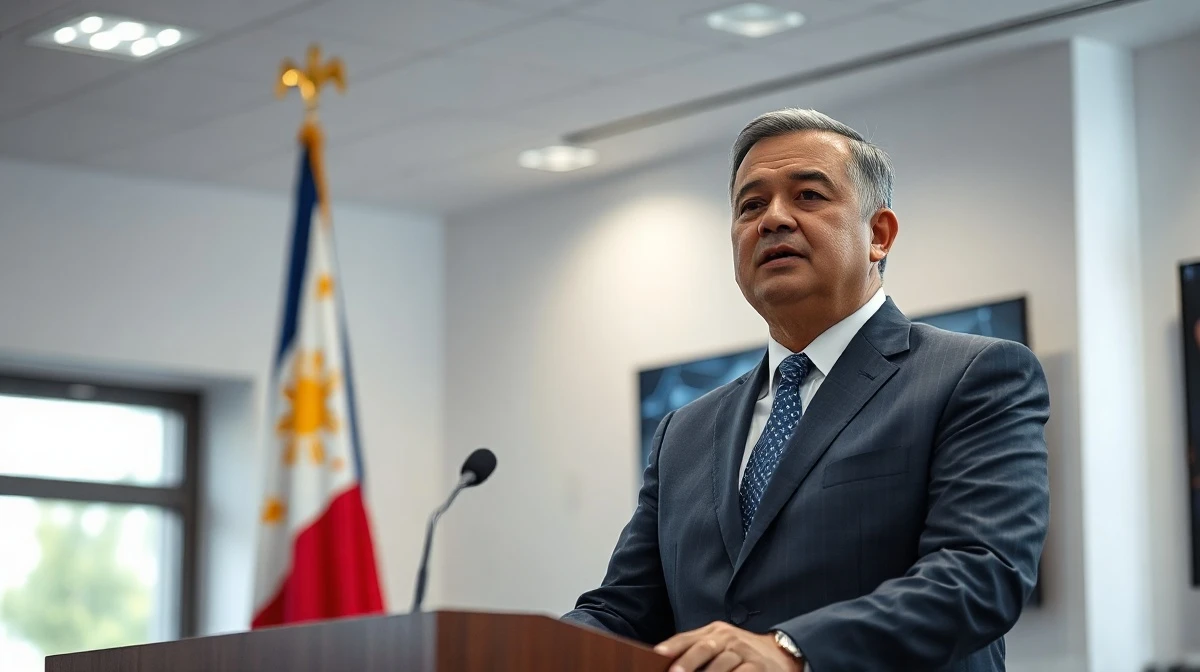
The Philippine Securities and Exchange Commission (SEC) has signaled that the country is prepared to accommodate the tokenization of real-world assets (RWAs), with Commissioner Rogelio Quevedo stating that the necessary legal and regulatory foundations are already in place. Speaking at the Philippine Blockchain Week 2026, Quevedo said the SEC is now convinced that existing laws and regulatory frameworks are sufficient to oversee asset tokenization, which he described as a potential catalyst for capital market innovation and a tool to protect investors from scams.
Regulatory sandbox paves way for tokenized assets
Quevedo’s remarks build on the SEC’s Strategic Sandbox (StratBox), a controlled environment where fintech companies can test new products under regulatory supervision. The sandbox allows the SEC to waive or modify certain requirements for individual participants, though it does not exempt companies from existing laws. In November 2025, the SEC admitted four companies to the sandbox, including one testing tokenized real estate offerings and two exploring access to US equities. BlockShoals Technologies also received in-principle approval to test crypto-related products and services.
Also read: Blockchain.com expands tokenized stock offerings to over 430 as onchain equities market surges
Investor protection and AI-powered enforcement
In an interview with Cointelegraph, Quevedo emphasized that tokenized investment products could provide overseas Filipino workers (OFWs) with legitimate options for growing their savings, helping them avoid scams. He noted that the SEC is using artificial intelligence to pursue unscrupulous schemes and is collaborating with platforms like Google and TikTok to remove illegal investment offerings. The commissioner framed regulated tokenization as both a capital-markets innovation and an investor-protection tool, particularly as the SEC continues to crack down on unregistered investment schemes.
Why this matters for the crypto and finance industry
The Philippines is positioning itself as a potential hub for RWA tokenization in Asia, a trend that could attract blockchain and fintech companies seeking a clear regulatory environment. For investors, the development signals that tokenized assets may soon become accessible through regulated channels, potentially offering more transparency and security compared to unregistered offerings. The SEC’s proactive stance, including the use of AI for enforcement, suggests a maturing regulatory approach that balances innovation with investor protection.
Also read: Securitize expects $400M war chest as tokenization platform prepares for NYSE debut
Conclusion
The Philippine SEC’s readiness for RWA tokenization reflects a broader shift in the region toward embracing blockchain-based financial innovation within a regulated framework. As the sandbox program progresses and enforcement capabilities improve, the country could become a testing ground for tokenized assets in Southeast Asia, offering lessons for other regulators considering similar paths.
FAQs
Q1: What is RWA tokenization?
RWA tokenization involves creating digital tokens that represent ownership or rights to real-world assets like real estate, equities, or commodities, allowing them to be traded on blockchain networks.
Q2: How does the Philippine SEC’s sandbox work?
The Strategic Sandbox (StratBox) allows fintech companies to test new products and business models in a controlled environment under SEC supervision, with possible waivers of certain regulatory requirements.
Q3: Why is the SEC focusing on OFWs?
Overseas Filipino workers often have capital but limited access to legitimate investment options, making them vulnerable to scams. Tokenized assets could provide regulated, accessible investment opportunities.

Source: Cointelegraph


