
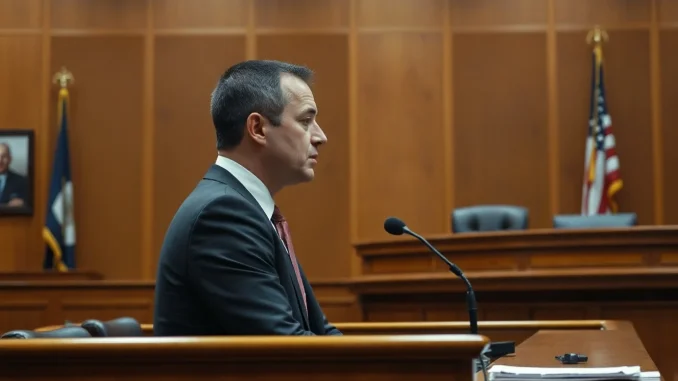
Elon Musk spent the better part of three days on the witness stand this week in his lawsuit against OpenAI, and the proceedings have already turned contentious. Emails, text messages, and Musk’s own tweets are surfacing as evidence, with more witnesses expected to testify in the coming days. At the heart of Musk’s argument is a simple, repeated refrain: “You can’t steal a charity.”
The Core Dispute: Nonprofit Mission vs. For-Profit Reality
Musk’s lawsuit alleges that OpenAI, which he co-founded and initially funded as a nonprofit dedicated to developing artificial intelligence for the benefit of humanity, betrayed that mission when it restructured into a for-profit entity. The case centers on whether CEO Sam Altman and the board violated fiduciary duties and misrepresented the organization’s purpose when they shifted toward a commercial model. Musk claims this conversion allowed OpenAI to raise billions in private capital, effectively privatizing a technology that was meant to remain open and accessible. The courtroom has heard from Musk himself, and Altman is expected to take the stand soon. Legal experts note that the outcome could set a precedent for how nonprofit organizations transition to for-profit structures, particularly in high-stakes technology sectors.
Also read: OpenAI Limits GPT-5.6 Rollout After U.S. Government Request, Calls Restrictions a 'Short-Term Step'
Earnings Week Reveals the Limits of AI Spending
Beyond the courtroom drama, this week’s Big Tech earnings reports have offered a sobering counterpoint to the AI hype cycle. Cloud revenue from Amazon Web Services, Google Cloud, and Microsoft Azure all showed strong growth, but the numbers also revealed that enterprise AI spending is landing more cautiously than some investors had hoped. Analysts noted that while cloud providers are benefiting from AI-related workloads, the massive capital expenditures required to build and maintain AI infrastructure are raising questions about return on investment. The earnings calls highlighted a growing divide between the promise of AI and the practical realities of deploying it at scale. This context adds weight to Musk’s argument that OpenAI’s for-profit pivot may have prioritized fundraising over its original mission.
What’s at Stake for the AI Industry
The Musk-OpenAI lawsuit is more than a personal feud between two tech billionaires. It raises fundamental questions about governance, transparency, and the ethical obligations of organizations developing powerful AI systems. If Musk prevails, it could force OpenAI to restructure again or face financial penalties. Even if he loses, the case has already drawn public attention to the tensions between nonprofit ideals and commercial ambitions in AI development. For startups and investors, the proceedings serve as a cautionary tale about the importance of clearly defining mission and governance structures from the outset.
Also read: OpenAI, Google, and SpaceX are all building their own AI chips — here's why that matters
Conclusion
As the trial continues, the tech world is watching closely. Musk’s testimony has provided a rare window into the early days of OpenAI and the shifting dynamics that led to its current structure. Whether the court sides with Musk or Altman, the case will likely influence how future AI ventures balance public benefit with private profit. For now, the key takeaway is clear: the battle over OpenAI’s soul is far from over.
FAQs
Q1: Why is Elon Musk suing OpenAI?
Musk alleges that OpenAI abandoned its original nonprofit mission to develop AI for humanity’s benefit by converting to a for-profit model, which he argues amounts to misappropriation of charitable assets.
Q2: What does ‘you can’t steal a charity’ mean in this context?
Musk’s phrase refers to his claim that OpenAI’s for-profit restructuring effectively privatized a charitable organization’s assets and purpose, which he argues is legally and ethically improper.
Q3: How does this lawsuit relate to broader AI industry trends?
The case highlights tensions between open-source ideals and commercial pressures in AI development, and it coincides with growing scrutiny of AI spending and governance across Big Tech.


Be the first to comment