
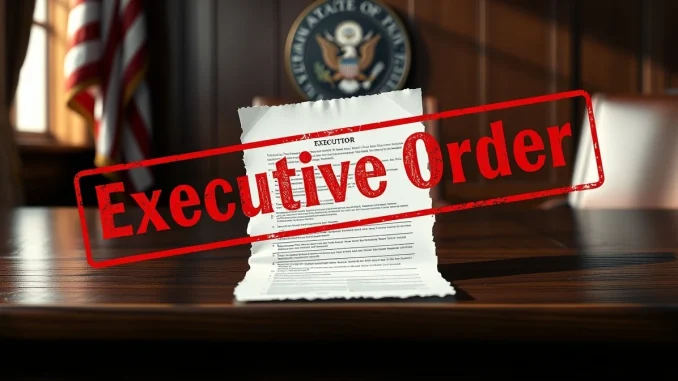
New York and Illinois moved this week to block state employees from using prediction markets, citing a surge in insider trading risks. Governor Kathy Hochul signed an executive order on April 22, 2026, following Illinois Governor JB Pritzker’s similar action just days earlier. The orders aim to stop public officials from profiting on non-public information.
New York and Illinois Target Prediction Market Corruption
“Getting rich by betting on inside information is corruption, plain and simple,” New York Governor Kathy Hochul said. Her order states that any violation may lead to dismissal and potential law enforcement action. It also bars state workers from helping others profit from confidential data.
Also read: Bitcoin Bears Face $2.6B Trap as Funding Rate Turns Negative: Is a Short Squeeze Brewing?
Illinois Governor JB Pritzker framed his state’s order as an update to existing ethics laws. “Illinois is doubling down on its commitment to a transparent and ethical government,” Pritzker stated. The action aims to prevent insider trading amid what he called the “rapid growth” of event-based gambling contracts.
These political events-based markets let users bet on outcomes like elections, geopolitical events, or corporate earnings. Trading volumes have exploded. Data from prediction market aggregators shows monthly trading hit a record $23.6 billion in March 2026. That marks seven straight months of growth.
Also read: Travala launches AI agent hotel booking with USDC on Base, keeps human approval
The Insider Trading Incidents Driving the Ban
Hochul’s order directly references suspected insider trading cases. One involved a trader on the platform Polymarket. This individual placed a low-probability bet that Venezuelan President Nicolás Maduro would be ousted. The bet was placed hours before U.S. forces captured Maduro in a reported operation. The trader netted roughly $400,000.
Another case cited involved suspicious trading activity ahead of military action involving Iran and the reported death of Supreme Leader Ayatollah Khamenei in late February 2026. These incidents have heightened regulatory scrutiny. They show how sensitive, non-public information could be monetized on these platforms.
Prediction markets themselves have taken steps. In February 2026, platform Kalshi said it banned a former candidate for California governor. The candidate had bet $200 on his own election race the prior year. Kalshi did not name the politician. But public records and the platform’s enforcement summary point to Kyle Langford, a candidate for California’s 26th Congressional District.
A Growing Regulatory Onslaught
The executive orders are part of a broader state-level push to control prediction markets. The New York State Gaming Commission sent Kalshi a cease-and-desist letter in October 2025. The state accused Kalshi of running an unlicensed mobile sports wagering platform.
Kalshi is also fighting the Nevada Gaming Control Board in court. A lower court temporarily blocked Kalshi from operating in Nevada. State regulators argue Kalshi’s contracts are unlicensed gambling. The legal battle could have national implications.
Coinbase’s chief legal officer, Paul Grewal, has suggested the case might reach the U.S. Supreme Court. A ruling could set a major precedent for how prediction markets and event-based derivatives are regulated nationwide.
Political Finger-Pointing and the “Ethical Wild West”
Governor Hochul used the occasion to criticize federal inaction. She singled out the prior Trump administration and congressional Republicans. Hochul said they allowed an “ethical Wild West” to develop around prediction markets. She argued they failed to set “meaningful ethical standards” to prevent insider trading.
This political framing underscores the partisan divide on financial regulation. However, the bipartisan nature of the state actions is notable. Illinois Governor Pritzker is a Democrat, but his order follows the same logic as New York’s. The core concern is non-partisan: the integrity of public service.
The bans apply to all state employees and officers, regardless of role. This broad application suggests officials see the risk as systemic, not confined to a few agencies with market-moving data.
What This Means for the Prediction Market Industry
The industry faces a critical juncture. Rapid user growth and record volumes attract more regulatory attention. The New York and Illinois bans could inspire similar actions in other states with large government workforces, like California or Texas.
Market operators now contend with a patchwork of state laws. They must also fight legal battles on multiple fronts. The industry’s argument that these platforms are useful information aggregates, not mere gambling, is being tested in courtrooms and statehouses.
For traders, the rules create a new compliance minefield. Those with connections to state government must now avoid these platforms entirely. The threat of dismissal and prosecution is a powerful deterrent.
Conclusion
The prediction markets ban in New York and Illinois signals a serious regulatory shift. States are acting where they believe federal regulators have failed. The driving force is clear: preventing public corruption in a fast-growing, opaque corner of finance. As trading volumes climb, more clashes between innovation and government ethics are certain. The coming months will show if other states follow this lead, and whether the industry can adapt to a stricter compliance environment.
FAQs
Q1: What exactly did New York and Illinois ban?
Both states issued executive orders prohibiting all state employees and officers from trading on prediction markets. The ban also includes assisting others in using confidential information to profit on these platforms.
Q2: Why are states taking this action now?
Officials cite a rapid increase in prediction market trading volume and specific, high-profile incidents of suspected insider trading involving geopolitical events. The goal is to prevent corruption before it becomes widespread.
Q3: What are the penalties for violating the ban?
According to New York’s order, violations may result in dismissal from state employment and potential referral to law enforcement for further action.
Q4: Are prediction markets considered gambling or financial markets?
This is a central legal question. States like New York and Nevada are treating them as unlicensed gambling. The industry and some legal experts argue they are financial information markets. The courts are currently deciding.
Q5: Could this ban happen in other states?
Yes. Given the bipartisan concern over insider trading and public ethics, analysts believe other states with large government sectors are likely reviewing similar measures. The actions in New York and Illinois create a template.




Be the first to comment