
In this article5 sections
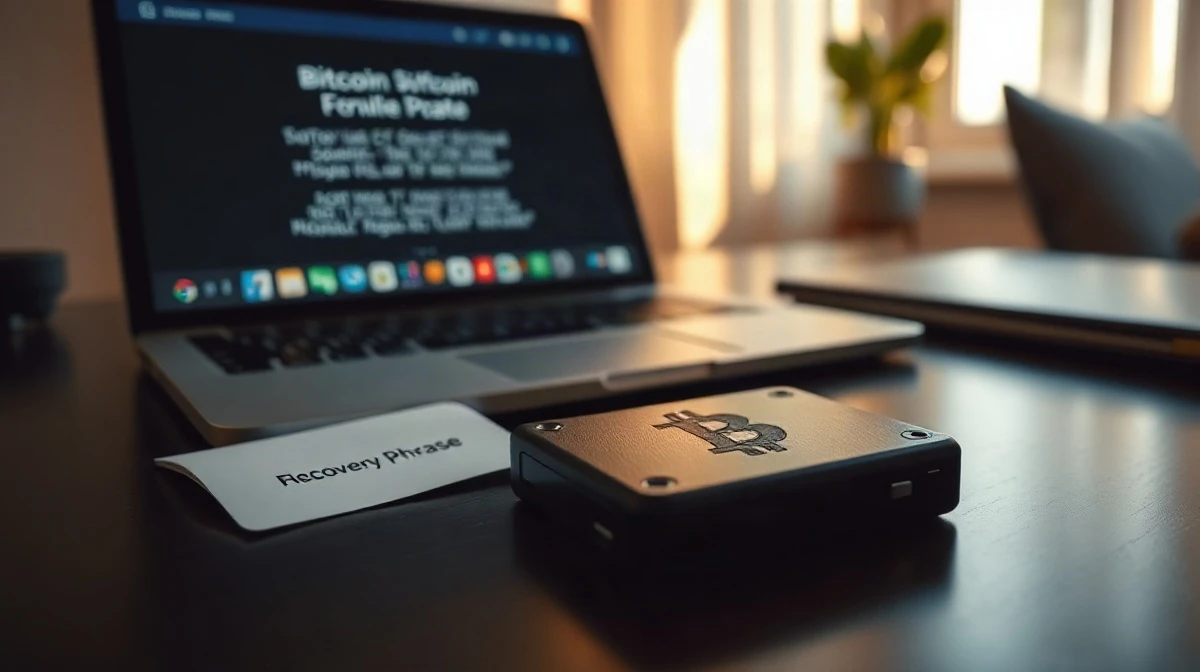
Coinkite, the maker of the Coldcard Bitcoin hardware wallet, said a firmware error weakened the recovery phrases its devices generated for more than five years and that at least 15 independent security reviews, some using artificial intelligence, failed to catch it, Cointelegraph reported.
The company published an 18-page postmortem on Nov. 23 explaining how the defect entered the firmware during a software library integration in March 2021, according to Blockonomi. Coinkite said it had fixed the flaw on July 31 and added further security measures in August.
Also read: Coldcard probes phishing post on its X account after July exploit
Key facts
- Galaxy Research reported that hackers stole at least 1,789 Bitcoin, worth about $114.7 million at the time of the thefts.
- Coinkite said the flaw went unnoticed because the recovery phrases looked normal and could still pass some security tests.
- Blockonomi reported losses of 1,778.84 BTC from more than 8,600 Bitcoin addresses, and said the error redirected seed generation from the hardware random number generator to a weaker software-based one.
- As of Nov. 18, Coinkite had received roughly 300 loss-related support tickets tied to 242 accounts, which Blockonomi said is about 0.21% of its estimated customer base.
- An independent security firm, Keylabs, confirmed the seed-generation fix within its review scope, but Coinkite has not named the attackers or settled a compensation plan.
How the flaw worked
Coinkite said its security checks confirmed the wallets had the correct system for generating recovery phrases, but the company never verified that the devices were actually using it, so a software error pushed them onto the weaker system. According to Blockonomi, affected Mk2 and Mk3 models had roughly 40 bits of effective entropy, while Mk4, Mk5 and Q models provided about 72 bits against a 128-bit target.
Because the flawed phrases looked ordinary, they survived commissioned product assessments, firmware examinations and automated security testing carried out between 2021 and 2026. Coinkite’s postmortem report names the reviews as among the checks that missed the defect.
Figures differ between reports
The two accounts differ on the size and value of the theft. Galaxy Research, reported by Cointelegraph, put the losses at at least 1,789 BTC worth about $114.7 million at the time, while Blockonomi cited 1,778.84 BTC worth approximately $107 million at recent market prices. Blockonomi also noted that a Galaxy assessment in August valued the stolen Bitcoin at about $112.7 million and excluded several suspected additional thefts.
Blockonomi reported that Galaxy researcher Alex Thorn traced 52.37 BTC in recovered funds to wallets tied to the incident, and that affected owners can submit claims through Crypto Recovery Trust. Coinkite said law enforcement is investigating and that the Canadian Centre for Cyber Security has opened a separate case.
Why it matters
The case shows that a hardware wallet can be undermined without anyone touching the device, because a defect at the seed-generation stage weakens every key derived from it. Coinkite said firmware updates cannot restore the safety of phrases already created under the flaw, so affected users must generate new seeds and move their Bitcoin. Roughly one in five of the reviews the company commissioned or examined could not detect the problem.
What to watch
Coinkite has not decided on a compensation plan and did not respond to a request for comment before publication. Blockonomi reported that the manufacturer has implemented 12 security recommendations with three still outstanding, making those remaining items and any compensation announcement the next concrete milestones.
This article reports on a security incident and is not financial advice. Crypto markets are volatile and losses from compromised keys may not be recoverable.
Reported by Cointelegraph.
Sources: Cointelegraph, Blockonomi