
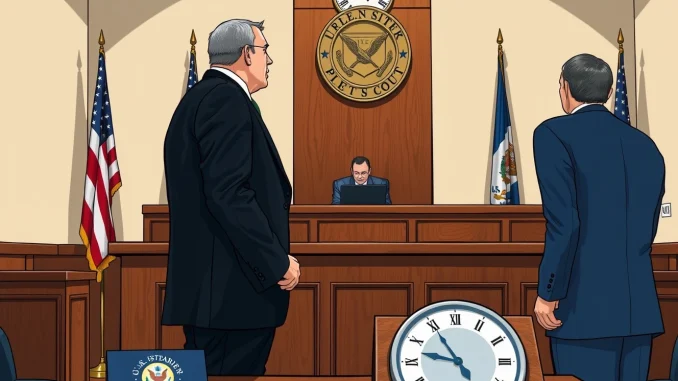
Federal prosecutors have recommended a lenient sentence for Roni Cohen-Pavon, the former chief revenue officer of the defunct cryptocurrency lending platform Celsius. In a letter filed Monday in the US District Court for the Southern District of New York (SDNY), US Attorney Jay Clayton highlighted Cohen-Pavon’s “substantial assistance” to the government. This cooperation included his readiness to testify against former Celsius CEO Alex Mashinsky. The Celsius sentencing hearing, now scheduled for May 13, marks a important moment in the legal fallout from the 2022 crypto lending collapse.
US Prosecutors Leniency Request for Cohen-Pavon
Prosecutors did not specify a prison term for Cohen-Pavon. Instead, they asked Judge John Koeltl to consider sentencing guidelines for a defendant who provided “substantial assistance.” Clayton’s letter stated: “As soon as he pled guilty, Cohen-Pavon’s cooperation was public and known to Mashinsky.” He added that Cohen-Pavon’s cooperation “was likely a significant factor in Mashinsky’s decision to plead guilty a few months prior to his January 2025 trial date.” This Celsius fraud case cooperation marks a rare instance where a senior executive’s early guilty plea directly influenced a CEO’s decision to avoid trial.
Background of the Celsius Collapse
Celsius Network, once a leading crypto lender, filed for bankruptcy in July 2022. The company had frozen customer withdrawals in June 2022, trapping billions in user funds. The collapse followed a broader crypto market downturn that also brought down FTX and Voyager Digital. Cohen-Pavon pleaded guilty in September 2023 to fraud and conspiracy to commit price manipulation related to Celsius’s CEL token. His role involved executing trades that artificially inflated the token’s price, misleading investors about the platform’s financial health.
Cooperation and Its Impact on the Mashinsky Case
Cohen-Pavon’s cooperation was critical in building the case against Mashinsky. Mashinsky, the public face of Celsius, was sentenced to 12 years in prison in May 2025 after pleading guilty to commodities and securities fraud. Without Cohen-Pavon’s testimony, prosecutors might have faced a longer, more uncertain trial. The US prosecutors leniency request reflects a standard practice: rewarding defendants who provide timely, truthful, and substantial assistance. Legal experts note that such cooperation often leads to reduced sentences, especially when it helps secure a conviction against a higher-profile figure.
Also read: Spain’s CNMV Chair Rules Out MiCA Deadline Extension for Crypto Firms, Impacting Binance
What Cohen-Pavon’s Lawyers Argue
Cohen-Pavon’s legal team has asked for time served, arguing that he took “full responsibility for his conduct and the harms caused by his participation in the CEL token manipulation scheme.” They emphasize his early guilty plea and consistent cooperation. The former executive has been free on bail since his arrest, and his lawyers contend that further incarceration would serve no additional purpose. The judge will weigh these arguments against the severity of the crimes, which involved defrauding thousands of Celsius customers who lost their life savings.
Timeline of Key Events in the Celsius Case
- June 2022: Celsius freezes customer withdrawals, sparking panic.
- July 2022: Celsius files for Chapter 11 bankruptcy in New York.
- September 2023: Roni Cohen-Pavon pleads guilty to fraud and price manipulation.
- January 2025: Alex Mashinsky pleads guilty to securities and commodities fraud.
- May 2025: Mashinsky sentenced to 12 years in prison.
- May 2026: Cohen-Pavon’s sentencing hearing set for May 13.
Legal Precedents and Sentencing Guidelines
Federal sentencing guidelines for fraud and price manipulation carry a recommended range of 10 to 16 years. However, judges can depart from these guidelines for defendants who provide substantial assistance. The US prosecutors leniency request in the Celsius sentencing signals that Cohen-Pavon’s cooperation may warrant a significant reduction. In similar cases, cooperating executives have received sentences ranging from probation to a few years in prison. The judge’s decision will set a precedent for how other crypto executives who cooperate with authorities are treated.
Comparison with Other Crypto Executives
Other crypto executives have faced varying outcomes. For example, former FTX CEO Sam Bankman-Fried was denied a new trial and awaits an appeal of his 25-year sentence. In contrast, former Alameda Research CEO Caroline Ellison received a lighter sentence due to her cooperation. Cohen-Pavon’s case falls somewhere in between: he was a senior executive but not the mastermind. His cooperation may earn him a sentence far below the guidelines, possibly time served.
Impact on the Broader Crypto Industry
The Celsius sentencing marks the end of a major chapter in crypto enforcement. The case has reinforced the importance of transparency and regulatory compliance for crypto lending platforms. Regulators worldwide are now scrutinizing similar platforms, and the legal outcomes in the US could influence how other jurisdictions handle crypto fraud. The Celsius collapse also prompted calls for clearer regulations, leading to the SEC’s increased enforcement actions and proposed rules for digital asset lending.
What This Means for Investors
For Celsius customers, the sentencing does not directly restore lost funds. However, the bankruptcy process has already distributed a portion of recovered assets. The legal proceedings ensure that those responsible are held accountable, which may restore some trust in the crypto ecosystem. Investors should remain cautious and prioritize platforms with strong regulatory compliance and transparent operations.
Conclusion
The Celsius sentencing of Roni Cohen-Pavon, with the US prosecutors leniency request, highlights the critical role of cooperation in federal fraud cases. Cohen-Pavon’s assistance helped secure a conviction against Alex Mashinsky, one of the most prominent figures in the crypto industry. As the legal saga concludes, the case serves as a reminder of the consequences of fraudulent practices in the crypto lending space. The judge’s final decision on May 13 will determine whether cooperation alone can lead to a lenient sentence or whether the severity of the crimes demands more time behind bars.
FAQs
Q1: What is Roni Cohen-Pavon charged with?
Cohen-Pavon pleaded guilty to fraud and conspiracy to commit price manipulation related to Celsius’s CEL token. He admitted to artificially inflating the token’s price to mislead investors.
Q2: Why are US prosecutors seeking leniency for him?
Prosecutors cited his “substantial assistance” in the case against former Celsius CEO Alex Mashinsky. His cooperation was a key factor in Mashinsky’s decision to plead guilty.
Q3: What sentence does Cohen-Pavon face?
Federal guidelines suggest 10 to 16 years, but prosecutors have asked the judge to consider a reduction. His lawyers are requesting time served.
Q4: When is the sentencing hearing?
The hearing was moved from May 7 to May 13, 2026, in the US District Court for the Southern District of New York.
Q5: How does this case affect Celsius customers?
The sentencing does not directly return lost funds, but the bankruptcy process has distributed some recovered assets. The case holds executives accountable and may deter future fraud.






Be the first to comment