
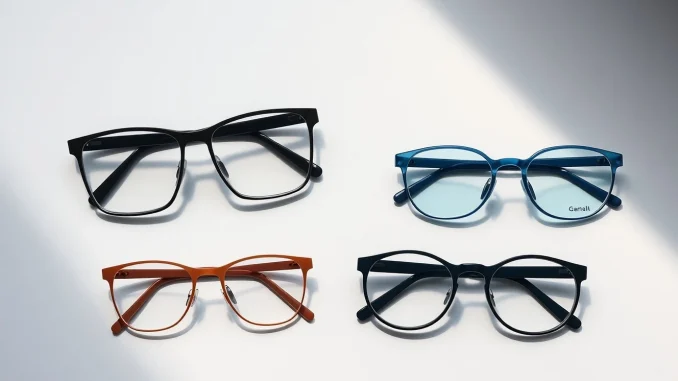
Apple is actively testing four different physical designs for its long-anticipated smart glasses, according to a new report from Bloomberg. This signals a significant step forward for a product category the company has explored for years. The simpler, audio-focused device is now expected to launch in 2027, with a potential unveiling later this year.
Four Designs in the Running
According to Bloomberg’s Mark Gurman, Apple is evaluating a quartet of distinct frame styles. This testing phase is a standard part of Apple’s meticulous hardware development process. The four designs reportedly include a large rectangular frame and a slimmer rectangular version. The latter is said to resemble the glasses often worn by Apple CEO Tim Cook. The other two options are a larger oval or circular frame and a smaller version of the same shape. Data from supply chain analysts suggests this multi-design approach helps Apple gauge manufacturing feasibility and potential consumer appeal before locking in a final model.
Also read: OpenAI Limits GPT-5.6 Rollout After U.S. Government Request, Calls Restrictions a 'Short-Term Step'
Color options are also part of the equation. Sources indicate Apple is considering black, ocean blue, and light brown finishes. This move towards variety marks a shift from the company’s historical tendency to launch new product categories with limited, conservative color palettes. Industry watchers note that offering multiple styles could be a strategy to attract a broader audience from day one.
A Shift in Product Strategy
The reported features of these glasses point to a notable strategic pivot. Earlier, more ambitious plans for mixed and augmented reality eyewear have been scaled back. This new device, as described, will not include any built-in displays. Instead, its functionality appears centered on audio, cameras, and voice interaction. This suggests Apple is prioritizing wearability and social acceptance over immersive visual experiences, at least for this first-generation product.
Also read: OpenAI, Google, and SpaceX are all building their own AI chips — here's why that matters
The reported feature set includes the ability to take photos and videos, answer phone calls, play music, and interact with Siri. Apple is said to be developing oval-shaped camera lenses for the glasses. This description places the product in direct comparison with Meta’s Ray-Ban smart glasses, which have found a market by blending familiar eyewear aesthetics with discreet audio and camera capabilities. The implication is that Apple sees a proven market for audio-first smart glasses and is now preparing its own entry.
Learning from the Vision Pro
This more pragmatic approach likely stems from recent product experiences. Apple’s high-end Vision Pro spatial computer, launched in early 2024, received a mixed reception. While praised for its technical prowess, its high price and niche use cases limited its mainstream appeal. Furthermore, the company’s broader roadmap for AR and VR devices has faced delays and internal re-evaluations. Analysts believe the smart glasses project represents a recalibration. By starting with a simpler, more accessible device, Apple can build a user base and gather real-world data before attempting more complex augmented reality spectacles.
What this means for investors is a focus on the wearables segment, which has become a critical revenue stream for Apple. The company’s AirPods and Apple Watch dominate their categories. Successful smart glasses would create a new, complementary product line within that ecosystem. However, the consumer wearables market is fiercely competitive. Apple will need its signature design and easy integration to stand out.
The Road to 2027
A 2027 launch target, as reported by Gurman, sets a clear timeline. A possible unveiling at an event in late 2026 would follow Apple’s traditional pattern of announcing major new hardware. This multi-year development cycle is longer than some analysts expected, underscoring the challenges of miniaturizing technology into a comfortable glasses form factor. Battery life, processing power, and heat management are persistent hurdles for all smart glasses makers.
Apple’s entry could legitimize the entire audio glasses category. According to market research firm IDC, shipments of smart audio glasses grew by over 40% year-over-year in 2025, though from a relatively small base. A major player like Apple entering the space could accelerate adoption and force rapid innovation from competitors like Meta, Amazon, and Bose. The success of this product may also determine the fate of Apple’s more advanced AR ambitions. Strong sales would validate the form factor and fund future R&D.
Conclusion
Apple’s testing of four smart glasses designs confirms the project is moving from concept to concrete prototype. The shift toward a display-free, audio-centric device reflects a strategic focus on immediate market viability over futuristic AR promises. While details on final specs, pricing, and software features remain unknown, the reported 2027 launch window sets the stage for Apple’s next major wearable. Its success will depend on classic Apple strengths: elegant design, intuitive functionality, and tight ecosystem integration.
FAQs
Q1: When will Apple release its smart glasses?
According to Bloomberg’s reporting, Apple currently plans to sell its first smart glasses in 2027. The company could unveil the product as early as the end of 2026.
Q2: What will Apple’s smart glasses do?
Based on current reports, the first-generation glasses will not have displays. Expected features include taking photos and videos, answering phone calls, playing music, and interacting with an upgraded Siri voice assistant via built-in speakers and microphones.
Q3: How many designs is Apple testing?
Apple is reportedly testing four distinct frame designs: large rectangular, slim rectangular, large oval/circular, and small oval/circular frames. The company may launch with one, several, or all of these styles.
Q4: How are these glasses different from Apple Vision Pro?
The Vision Pro is a high-end spatial computer for mixed reality with full-color passthrough video. The reported smart glasses are a simpler, audio-focused wearable with no displays, designed for all-day use and closer in function to products like Meta’s Ray-Ban smart glasses.
Q5: Why is Apple making smart glasses now?
Analysts point to several factors: the growth of the wearables market, the established success of audio glasses from competitors, and a strategic step towards future augmented reality products. It allows Apple to enter the category with a more accessible device first.






Be the first to comment