
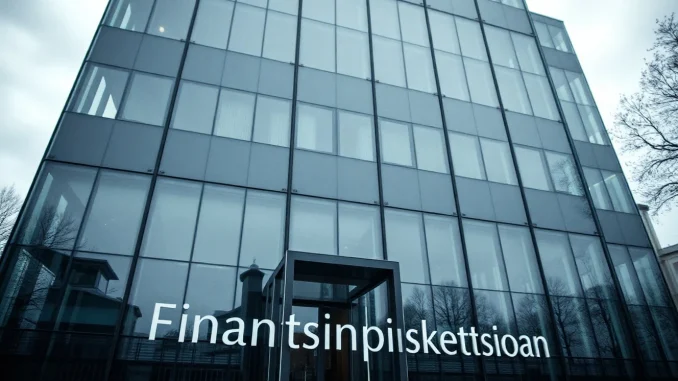
Estonia’s Financial Supervision and Resolution Authority (FSA) has issued an investor warning against BB Trade Estonia OÜ, the operator of the Zondacrypto digital asset exchange, citing a breach of the European Union’s Markets in Crypto-Assets (MiCA) framework. The regulator found that the company failed to publish a required white paper for its “TeamPL” crypto token on its website, a direct violation of MiCA Article 9, Section 1.
Regulatory action under MiCA
The FSA stated that the absence of the white paper means investors could not access essential information about the token’s features, risks, and rights. Under MiCA, issuers must keep white papers publicly available for as long as the crypto assets are held by the public. The warning, published on May 8, 2026, underscores the EU’s increasing enforcement of its comprehensive crypto regulatory framework, which came into full effect earlier this year. This is one of the first public enforcement actions by a national regulator under MiCA, signaling a more active oversight environment for crypto firms operating in the bloc.
Background: Polish investigation and cold wallet access
The FSA’s warning follows a separate investigation by Polish law enforcement into Zondacrypto, prompted by user reports of withdrawal difficulties and account access problems. In April 2026, Zonda CEO Przemysław Kral disclosed that the exchange had lost access to a cold wallet containing approximately 4,500 Bitcoin (BTC), valued at around $360 million at current prices. Kral claimed that the wallet’s private keys were never transferred by Sylwester Suszek, the company’s founder and former CEO, who has been missing since 2022.
Kral denied rumors of insolvency, stating the exchange would fulfill all customer obligations. However, he has not posted on social media since April 16, 2026. Local Polish media have reported that Kral, an Israeli citizen, traveled to Israel amid the ongoing investigation. The combination of regulatory action, missing funds, and executive silence has raised serious concerns among users and industry observers.
Also read: Spain’s CNMV Chair Rules Out MiCA Deadline Extension for Crypto Firms, Impacting Binance
What this means for investors and the crypto market
The Zondacrypto case highlights the real-world consequences of MiCA enforcement for crypto exchanges. For investors, the warning serves as a reminder to verify whether platforms comply with disclosure requirements, especially regarding token white papers. The incident also illustrates the risks associated with centralized exchanges that lack transparent governance and asset custody procedures. For the broader European crypto market, this action may prompt other exchanges to review their compliance with MiCA to avoid similar sanctions. The case also raises questions about investor protection when exchange executives go silent or leave the jurisdiction.
Conclusion
The Estonian FSA’s investor warning against Zondacrypto marks a significant enforcement step under the EU’s MiCA regime. Combined with an ongoing Polish criminal investigation and unresolved cold wallet access issues, the situation underscores critical vulnerabilities in centralized crypto exchange operations. Investors are advised to exercise caution and conduct independent due diligence when using platforms that may not fully comply with regulatory standards.
FAQs
Q1: Why did Estonia’s FSA issue a warning about Zondacrypto?
The FSA found that Zondacrypto operator BB Trade Estonia OÜ failed to publish a white paper for its “TeamPL” token, violating MiCA Article 9, which requires such documents to be publicly available.
Q2: What are the broader implications of this warning for crypto exchanges in the EU?
This is one of the first public enforcement actions under MiCA, signaling that regulators are actively monitoring compliance. Other exchanges may face similar scrutiny if they do not meet disclosure and transparency requirements.
Q3: What should Zondacrypto users do if they cannot access their funds?
Users experiencing withdrawal issues should contact the exchange’s support team and consider filing a complaint with their national financial regulator. Independent legal advice may also be necessary given the ongoing Polish investigation.


Be the first to comment