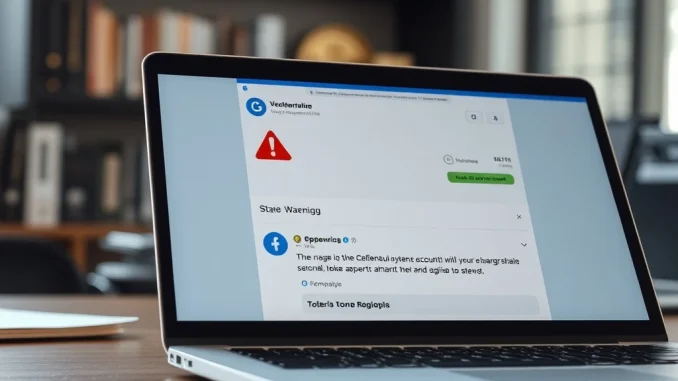
Paris, France – March 15, 2025: Zama, the prominent open-source cryptography developer, confirmed a significant security breach today. The company announced the X account of Chief Operating Officer Jeremy Bradley suffered unauthorized access. Consequently, the compromised account actively posts messages directing users to claim fraudulent ZAMA tokens. This incident highlights persistent security vulnerabilities within the cryptocurrency ecosystem.
Zama COO’s X Account Hacked: Immediate Response and Investigation
Zama’s security team detected the unauthorized access early this morning. They immediately initiated their incident response protocol. The company’s official communication channels confirmed the breach within hours. Meanwhile, the hacked account posted a single malicious message. This message contained a link promising free ZAMA token distributions. However, Zama clarified that no legitimate token distribution exists. The company urged users to avoid interacting with the link. They also reported the incident to X’s security team for account recovery.
Jeremy Bradley, the affected COO, released a statement through verified channels. He emphasized that personal devices and company systems remained secure. The breach appeared isolated to his social media account. Security analysts suggest credential theft or phishing caused the compromise. Furthermore, similar attacks targeted other crypto executives recently. This pattern indicates a coordinated campaign against industry leaders.
Understanding the Cryptography Security Breach Context
Zama specializes in fully homomorphic encryption (FHE) technology. Their work enables computations on encrypted data without decryption. This breakthrough has significant implications for blockchain privacy. Consequently, Zama attracts attention from both developers and malicious actors. The company’s high profile makes its executives prime targets for hackers.
Recent months witnessed increased social media account compromises. Attackers specifically target cryptocurrency and Web3 projects. They exploit trust in verified accounts to promote scams. Typically, these scams involve fake token launches or wallet drainers. Security firm Chainalysis reported a 47% increase in such incidents during 2024. The table below illustrates recent high-profile cases:
| Date | Target | Platform | Method |
|---|---|---|---|
| Feb 2025 | LayerZero CTO | X | SIM-swapping |
| Jan 2025 | Polygon Labs Lead | Discord | Phishing link |
| Dec 2024 | Avalanche Foundation | X | Compromised API key |
These attacks share common characteristics. First, they compromise verified accounts with established credibility. Second, they promote time-sensitive offers creating urgency. Third, they use sophisticated social engineering tactics. Finally, they redirect victims to malicious smart contracts or websites.
Expert Analysis of Social Media Vulnerabilities
Cybersecurity experts identify several vulnerability points. Social media platforms often lack robust security for high-profile accounts. Additionally, employees might reuse passwords across services. Phishing campaigns specifically target executives with convincing lures. Moreover, API key compromises enable persistent access bypassing two-factor authentication.
Dr. Elena Rodriguez, a cryptography security researcher, provided insights. “Executive social media accounts represent critical attack surfaces,” she explained. “Attackers know followers trust verified profiles. Consequently, a single compromised account can cause widespread damage. Organizations must implement dedicated social media security protocols.”
Recommended security measures include:
- Dedicated devices for social media management
- Hardware security keys for two-factor authentication
- Regular credential rotation and breach monitoring
- Strict posting approval workflows for financial content
- Employee training on advanced phishing techniques
Impact on Zama and the Cryptography Community
The immediate impact involves reputation damage and user protection. Zama must reassure partners and users about their security posture. Meanwhile, the cryptography community faces increased scrutiny. Regulators may demand stronger security standards for crypto projects. Investors might question the maturity of Web3 security practices.
Long-term consequences could include:
- Increased insurance premiums for crypto companies
- Tighter platform security requirements from social media companies
- Enhanced regulatory frameworks for executive communications
- Greater adoption of decentralized social media alternatives
Zama’s response will set important precedents. Their transparency about the breach establishes trust. However, their security improvements will face close examination. The company plans a comprehensive security audit. They will also review all executive account protections. Furthermore, they committed to publishing their findings for industry benefit.
Technical Analysis of the ZAMA Token Scam
The fraudulent post promised “ZAMA token claims” to early supporters. This tactic mimics legitimate airdrop announcements. Victims clicking the link would encounter a sophisticated phishing page. The page likely requested wallet connections or seed phrases. Alternatively, it might have deployed a malicious smart contract. Such contracts can drain wallets upon approval.
Blockchain analysts examined similar recent scams. They identified common technical patterns:
- Fake token contracts with hidden functions
- Impersonation websites mimicking official projects
- Wallet drainer scripts stealing upon connection
- Multi-chain deployment across Ethereum, Solana, and others
The speed of Zama’s response likely limited damage. Quick warnings prevented widespread victimization. However, some users inevitably interacted before warnings. These users require support identifying and reversing unauthorized transactions.
Protection Strategies Against Crypto Phishing Attacks
Users must adopt proactive security habits. Always verify announcements through multiple official channels. Never connect wallets to unsolicited links. Additionally, use hardware wallets for significant holdings. Enable transaction previews and confirmations carefully. Furthermore, monitor official project communications regularly.
Projects should implement several protective measures. They need dedicated security communication channels. These channels should verify critical announcements. Also, they should educate communities about scam identification. Moreover, they must establish rapid response protocols for breaches. Finally, they should collaborate with platforms on account protection.
Social media platforms bear responsibility too. They must enhance verification for financial announcements. Additionally, they should implement transaction confirmation delays for suspicious links. Furthermore, they need improved detection of compromised verified accounts. Finally, they should provide better recovery options for hacked profiles.
Conclusion
The Zama COO’s X account hacked incident underscores critical security challenges. Cryptography and blockchain projects face sophisticated social engineering attacks. This breach highlights the vulnerability of executive social media accounts. However, Zama’s transparent response provides a model for incident management. The cryptography community must now strengthen its defenses collectively. Ultimately, this event reinforces the importance of security in Web3 adoption. Users should remain vigilant against similar ZAMA token scams and phishing attempts.
FAQs
Q1: What should I do if I clicked the link from the hacked Zama COO account?
Immediately disconnect your wallet if still connected. Then, revoke any token approvals granted to the suspicious site using a blockchain explorer or revocation tool. Scan your devices for malware and monitor your wallet for unauthorized transactions. Contact Zama’s official support through their verified website for further guidance.
Q2: How can I verify legitimate cryptocurrency announcements?
Always cross-check announcements across multiple official channels including the project’s website, official blog, and verified community forums. Be skeptical of offers requiring immediate action or promising guaranteed returns. Legitimate projects typically announce major developments through coordinated multi-channel communications with consistent messaging.
Q3: What security measures protect social media accounts from hacking?
Use unique, complex passwords for each account and enable two-factor authentication with hardware security keys or authenticator apps. Avoid using SMS-based 2FA when possible. Regularly review connected applications and remove unnecessary permissions. Use dedicated devices or secure browsers for social media management when handling sensitive accounts.
Q4: Has Zama experienced other security incidents previously?
Zama maintains a strong security reputation with no major public breaches before this incident. The company specializes in advanced cryptography including fully homomorphic encryption, which suggests robust internal security practices. This social media compromise appears isolated rather than indicative of broader security weaknesses.
Q5: What are the legal implications of such social media hacks in cryptocurrency?
Legal implications vary by jurisdiction but typically involve investigations into fraud, unauthorized computer access, and potential securities violations if fraudulent token offerings occurred. Affected companies may pursue civil actions against perpetrators. Regulatory bodies increasingly scrutinize such incidents, potentially leading to stricter security requirements for cryptocurrency projects.
Updated insights and analysis added for better clarity.
This article was produced with AI assistance and reviewed by our editorial team for accuracy and quality.