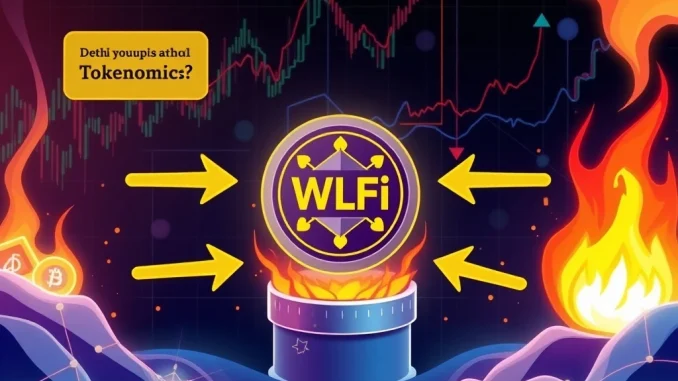
The cryptocurrency world observes significant developments as World Liberty Financial (WLFI) takes a decisive step. The project recently passed a pivotal governance proposal. This action directs all protocol-owned liquidity fees towards **WLFI token** buybacks and burns. This move signals a strong commitment to enhancing token value and fostering long-term sustainability for the WLFI ecosystem.
Understanding WLFI Token Buybacks and Burns
WLFI’s recent decision centers on two core mechanisms: **token buybacks** and **crypto burns**. Understanding these processes reveals their potential impact. Firstly, a **token buyback** involves a project repurchasing its own tokens from the open market. This reduces the circulating supply. Projects often use excess revenue or dedicated funds for this purpose. Secondly, a **crypto burn** permanently removes tokens from circulation. These tokens are sent to an unspendable address, often called a ‘burn address.’ This process ensures the tokens can never be retrieved or spent again. Both actions inherently aim to increase scarcity. Consequently, they often drive up the value of the remaining tokens. This strategy directly benefits existing token holders. It signals a project’s confidence in its own future. Many decentralized finance (DeFi) protocols adopt similar strategies. They seek to create deflationary pressure on their native assets.
The Mechanics of Token Scarcity
Token buybacks reduce the available supply. Similarly, crypto burns remove tokens permanently. Together, these mechanisms create a powerful deflationary effect. This increased scarcity can lead to higher demand for the remaining tokens. Therefore, the market price often reacts positively. This strategy also aligns the interests of the protocol with its token holders. It incentivizes long-term holding. Moreover, it reduces selling pressure in the market. This creates a more stable and robust token economy.
The Significance of Protocol Fees for WLFI
World Liberty Financial (WLFI) has made a strategic pivot regarding its **protocol fees**. Previously, these fees might have been used for various operational expenses or liquidity provision. Now, however, all fees generated from WLFI’s protocol-owned liquidity will fund token buybacks and burns. This represents a direct reinvestment into the **WLFI token** ecosystem. Protocol fees are generated through various activities on the platform. These activities include trading, lending, or other financial services offered by WLFI. By dedicating these fees to buybacks and burns, WLFI is creating a self-sustaining value-enhancement mechanism. This decision highlights a proactive approach to tokenomics. It underscores a commitment to maximizing value for its community members.
How Protocol Fees Drive Value
The consistent allocation of **protocol fees** ensures a steady stream of capital for buybacks. This continuous demand helps stabilize the token price. It also provides a floor during market downturns. Furthermore, transparency in fee utilization builds trust. The community understands how their participation directly contributes to token health. This model contrasts with traditional financial systems. There, profits often solely benefit shareholders. In DeFi, such strategies distribute value more broadly among token holders. This reinforces the decentralized ethos of the project. It encourages active participation and governance.
WLFI’s Strategic Governance Proposal Explained
The recent **governance proposal** from World Liberty Financial marks a significant milestone. This proposal was put forth to the WLFI community for a vote. It demonstrates the project’s commitment to decentralized decision-making. Such proposals allow token holders to influence the direction and policies of the protocol. Passing this specific proposal signifies a strong consensus among WLFI stakeholders. They support using **protocol fees** for token buybacks and burns. The process typically involves submitting a proposal, discussing its merits, and then voting with staked tokens. This democratic approach ensures community alignment. It fosters a sense of collective ownership. Therefore, the outcome reflects the collective will of the WLFI ecosystem participants.
Community-Driven Decisions
Decentralized **governance proposal** systems empower token holders. They directly influence critical protocol changes. This contrasts sharply with centralized corporate structures. There, a small group of executives makes decisions. For WLFI, the successful passage of this proposal validates its governance model. It shows the community’s engagement and belief in the chosen strategy. This transparent decision-making process builds long-term confidence. It ensures the protocol evolves in a way that benefits its entire user base. Furthermore, it sets a precedent for future community-led initiatives.
Enhancing WLFI Token Value and Future Outlook
The implementation of this new strategy is expected to have a profound impact on the **WLFI token** value. By consistently reducing the circulating supply through buybacks and burns, WLFI aims to create a deflationary asset. This scarcity can naturally drive up demand and price over time. Additionally, the project plans to seek out additional revenue sources. This initiative will increase the scale of future buybacks and burns. Such foresight demonstrates a robust growth strategy. It goes beyond the initial implementation. This focus on long-term sustainability is critical for any successful blockchain project. It positions WLFI for sustained growth in the competitive DeFi landscape.
Long-Term Sustainability and Growth
The proactive search for new revenue streams is a crucial aspect of WLFI’s plan. It ensures the buyback and burn mechanism remains potent and scalable. A larger revenue base translates into more substantial buybacks. This accelerates the deflationary pressure on the **WLFI token**. Consequently, it reinforces the positive feedback loop for token holders. This strategic vision extends beyond immediate gains. It focuses on building a resilient and valuable ecosystem for years to come. Such a commitment attracts new investors and solidifies the existing community.
World Liberty Financial’s decision to allocate all protocol-owned liquidity fees to WLFI token buybacks and burns represents a significant step forward. This move underscores a commitment to enhancing token value and fostering a sustainable ecosystem. While the initial buyback size remains undisclosed, the strategic direction is clear. WLFI is positioning itself for long-term growth through community-backed, value-driven initiatives. This demonstrates the power of decentralized governance in shaping the future of digital finance.
Frequently Asked Questions (FAQs)
What is the WLFI token?
The WLFI token is the native cryptocurrency of the World Liberty Financial platform. It plays a central role in its ecosystem, often used for governance, staking, and participating in various DeFi services offered by the protocol.
What are token buybacks and crypto burns?
Token buybacks involve a project repurchasing its own tokens from the open market, reducing the circulating supply. Crypto burns permanently remove tokens from circulation by sending them to an unspendable address, increasing scarcity. Both mechanisms aim to enhance the value of the remaining tokens.
How do protocol fees contribute to this strategy?
WLFI will now use all fees generated from its protocol-owned liquidity directly for WLFI token buybacks and burns. This creates a continuous, self-sustaining mechanism to reduce token supply and enhance value for holders.
What does this mean for WLFI token holders?
This strategy aims to increase the scarcity and potential value of the WLFI token. It aligns the protocol’s success with its token holders, potentially leading to increased demand and price stability over time. It also demonstrates strong community-backed governance.
How was this decision made?
This decision was made through a decentralized governance proposal. WLFI token holders voted on the proposal, indicating their collective support for using protocol fees for buybacks and burns, showcasing the power of community-driven decisions.
Will WLFI seek additional revenue sources for buybacks and burns?
Yes, World Liberty Financial plans to actively seek additional revenue sources. This will increase the scale and impact of future buybacks and burns, further strengthening the token’s long-term value proposition and sustainability.