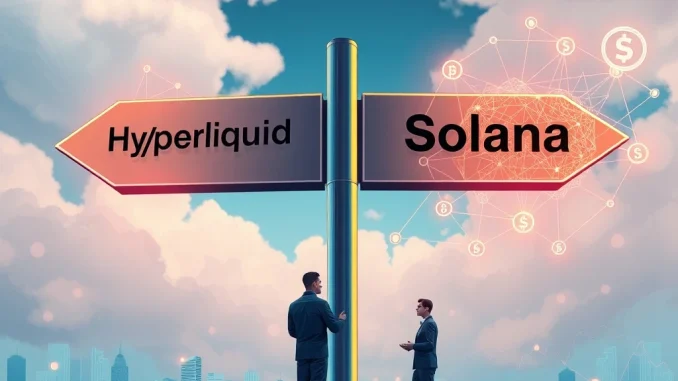
In a dramatic development shaking the decentralized finance sector, the Trove token project faces mounting investor backlash following its unexpected pivot from the Hyperliquid ecosystem to Solana. The team’s decision to redirect $11.5 million in raised funds has sparked controversy, refund demands, and broader questions about development accountability in blockchain projects. This strategic shift, announced just before Trove’s token generation event, highlights the volatile nature of cryptocurrency development and investor relations.
Trove’s Strategic Pivot Sparks Immediate Controversy
The Trove development team made their controversial announcement on March 15, 2025, revealing plans to abandon their originally promised Hyperliquid integration. According to Cointelegraph’s reporting, the team raised $11.5 million specifically for building on Hyperliquid’s infrastructure during their token sale. However, they subsequently declared that building a perpetual decentralized exchange on Solana represented “the only path for the project’s survival.” This sudden change in development direction has triggered significant backlash from early investors who supported the project based on its original Hyperliquid premise.
Investor protests began immediately following the announcement, with many participants demanding full refunds of their contributions. The team has responded by refunding $2.44 million to date, with plans to distribute an additional $100,000 in refunds. Meanwhile, Trove intends to allocate $9.4 million of the remaining funds toward developing their perpetual DEX on the Solana blockchain. This substantial reallocation of resources represents one of the most significant mid-development pivots in recent DeFi history.
Understanding the Technical and Market Context
To comprehend the full implications of Trove’s decision, we must examine the technical differences between Hyperliquid and Solana. Hyperliquid represents a specialized Layer 1 blockchain specifically optimized for perpetual trading with its own unique architecture. Conversely, Solana has emerged as a high-throughput, general-purpose blockchain with growing DeFi ecosystem dominance. The table below illustrates key technical distinctions between these platforms:
| Feature | Hyperliquid | Solana |
|---|---|---|
| Primary Focus | Perpetual trading optimization | General-purpose smart contracts |
| Transaction Speed | Specialized for derivatives | High throughput (65,000 TPS theoretical) |
| Ecosystem Size | Niche, specialized | Large, diversified |
| Developer Adoption | Growing but limited | Extensive and rapidly expanding |
| Market Position | Specialized derivatives chain | Major Layer 1 competitor |
Market analysts suggest several potential motivations behind Trove’s controversial decision. First, Solana’s substantial user base and liquidity pools might offer greater immediate opportunities for a perpetual DEX. Second, the Solana ecosystem has demonstrated remarkable resilience following its 2022 challenges, with significant capital returning to its DeFi protocols. Third, developer tools and documentation for Solana have matured considerably, potentially reducing development complexity compared to newer chains like Hyperliquid.
Expert Perspectives on Development Pivots
Blockchain development experts emphasize that while strategic pivots sometimes become necessary, they require careful communication and investor consideration. “Development teams must balance technical realities with their commitments to early supporters,” notes Dr. Elena Rodriguez, a blockchain governance researcher at Stanford University. “The cryptocurrency space has seen numerous projects evolve their technical direction, but transparency about timing, reasoning, and investor options remains crucial for maintaining trust.”
Historical precedents exist for similar ecosystem switches in blockchain development. Notably, several prominent projects migrated from Ethereum to alternative Layer 1 solutions during periods of high gas fees and network congestion. However, most successful transitions involved gradual migration paths, dual-chain support periods, or clear technical justifications presented well before fund allocation decisions. Trove’s sudden announcement just before their token generation event represents a particularly abrupt implementation of such a strategic shift.
Investor Relations and Refund Dynamics
The investor response to Trove’s announcement reveals important dynamics in cryptocurrency funding accountability. Early supporters typically evaluate projects based on specific technical propositions and ecosystem alignments. When fundamental premises change without prior consultation, trust erosion frequently follows. Trove’s refund process, while addressing some concerns, has proceeded unevenly according to community reports. The $2.44 million already refunded represents approximately 21% of the total raised amount, with additional refunds planned but not yet distributed.
Several key factors influence investor reactions to such development pivots:
- Communication timing: Announcements made immediately before major milestones generate more backlash
- Technical justification clarity: Detailed explanations of why the original plan became unviable
- Refund policy transparency: Clear, accessible processes for investors seeking returns
- Future value proposition: Whether the new direction offers comparable or superior potential
- Governance participation: Opportunities for investor input before final decisions
Community discussions across cryptocurrency forums reveal divided opinions about Trove’s decision. Some participants argue that development teams must retain flexibility to adapt to changing market conditions. Others maintain that fundraising based on specific technical premises creates binding commitments that cannot be unilaterally altered. This debate touches on fundamental questions about accountability in decentralized project development.
Broader Implications for DeFi Development
Trove’s situation reflects broader trends in decentralized finance development and fundraising accountability. As the DeFi sector matures, investors increasingly expect professional standards of communication and project management. The incident highlights several evolving expectations within cryptocurrency project development:
- Enhanced transparency: Regular development updates and milestone reporting
- Governance mechanisms: Formal processes for major strategic decisions
- Contingency planning: Clear protocols for unexpected technical challenges
- Investor protection: Ethical standards for fund usage and redirection
- Regulatory awareness: Increasing scrutiny of fundraising practices
Market observers note that similar situations may become more common as blockchain technology continues evolving rapidly. Development teams frequently encounter unexpected technical limitations, market shifts, or competitive pressures requiring strategic adjustments. However, the manner of implementing these changes significantly impacts community trust and project sustainability. Projects that maintain open communication channels and consider investor perspectives typically navigate transitions more successfully.
The Solana Ecosystem’s Growing Appeal
Trove’s pivot toward Solana coincides with the blockchain’s remarkable resurgence and growing developer appeal. Following significant technical improvements and ecosystem expansion throughout 2024, Solana has attracted substantial developer interest and capital deployment. The network’s high throughput capabilities, relatively low transaction costs, and maturing developer tools make it particularly attractive for DeFi applications requiring frequent transactions. Several successful perpetual DEX implementations already operate within the Solana ecosystem, providing proven technical templates and liquidity networks for new entrants.
However, Solana’s competitive advantages come with corresponding challenges. The network faces intense competition from other Layer 1 and Layer 2 solutions, each offering unique value propositions. Additionally, Solana’s historical network stability issues, though significantly improved, remain a consideration for mission-critical financial applications. Development teams must carefully evaluate whether Solana’s technical characteristics genuinely align with their specific application requirements rather than simply following ecosystem trends.
Conclusion
Trove’s controversial pivot from Hyperliquid to Solana highlights critical tensions between development flexibility and investor accountability in decentralized finance. The project’s decision to reallocate $9.4 million toward Solana development after raising funds specifically for Hyperliquid integration has generated significant backlash and refund demands. This situation underscores the importance of transparent communication, gradual transition planning, and investor consideration when projects encounter changing technical or market realities. As the DeFi sector continues maturing, development teams must balance necessary adaptability with their commitments to early supporters who enable their work through financial contributions.
FAQs
Q1: Why did Trove decide to pivot from Hyperliquid to Solana?
Trove’s development team stated that building on Solana represented “the only path for the project’s survival,” though specific technical or market reasons weren’t detailed in initial announcements. The decision likely relates to Solana’s larger ecosystem, developer tools, and proven DeFi infrastructure.
Q2: How much money has Trove refunded to investors?
As of March 2025, Trove has refunded $2.44 million to investors dissatisfied with the pivot. The team plans to issue an additional $100,000 in refunds, bringing the total to approximately 22% of the originally raised $11.5 million.
Q3: What is a perpetual DEX and why build one on Solana?
A perpetual DEX enables decentralized trading of perpetual contracts, which are derivatives without expiration dates. Solana offers high transaction throughput and relatively low fees, making it technically suitable for the frequent trading activity perpetual DEX platforms require.
Q4: Are development pivots common in cryptocurrency projects?
Strategic technical adjustments occur regularly as projects encounter evolving market conditions and technical challenges. However, Trove’s particularly abrupt pivot just before its token generation event, combined with significant fund reallocation, represents an unusually dramatic implementation.
Q5: What should investors consider when evaluating projects that might pivot?
Investors should examine project governance structures, communication practices, and contingency planning. Projects with transparent decision-making processes and clear investor protection mechanisms typically handle necessary pivots with less controversy and trust erosion.
Updated insights and analysis added for better clarity.
This article was produced with AI assistance and reviewed by our editorial team for accuracy and quality.