NFT Sales Volume: The Top 10 Performers Dominating the 24-Hour Market
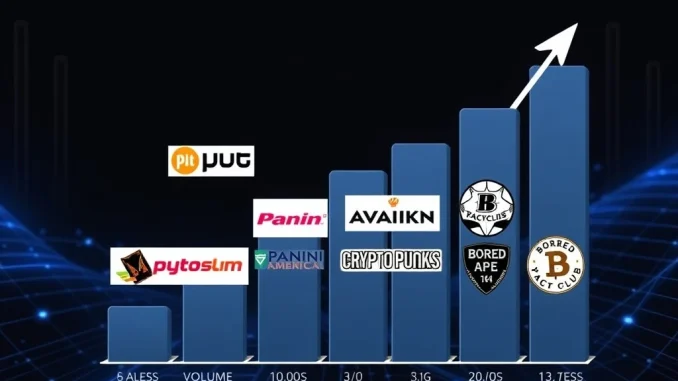
Global, May 2025: The non-fungible token (NFT) market continues to demonstrate its dynamic nature, with sales volume serving as a key pulse check for collector interest and project momentum. Recent data reveals a significant shift at the top of the leaderboard. According to aggregated marketplace statistics, the Flying Tulip PUT collection has surged to dominate 24-hour NFT sales, recording an impressive volume exceeding $16 million. This performance places it ahead of established giants like CryptoPunks and the Bored Ape Yacht Club (BAYC), highlighting the evolving and competitive landscape of digital collectibles. The data, sourced from platforms like CryptoSlam, provides a clear snapshot of where capital and attention are flowing in the short term.
Analyzing the Top 10 NFT Performers by Sales Volume
Sales volume over a 24-hour period offers a real-time glimpse into market activity, often driven by new releases, secondary market speculation, or major announcements. The current ranking, led by Flying Tulip PUT, underscores a market that rewards both innovation and brand legacy. Following closely are platforms and collections with deep roots in the space. CryptoSlam, as a primary data aggregator, provides the infrastructure that makes this transparency possible. Panini America brings its legacy in physical collectibles into the digital realm. Meanwhile, blue-chip projects like CryptoPunks and Bored Ape Yacht Club maintain formidable trading activity, demonstrating the enduring value of historical significance and strong community foundations. This mix of new entrants and veteran projects creates a robust and multi-layered market ecosystem.
Understanding the Drivers Behind 24-Hour Sales Surges
Short-term sales spikes rarely occur in a vacuum. Several concrete factors typically contribute to a collection topping the volume charts. A primary driver is the launch of a new series or a highly anticipated minting event, which can funnel millions in primary sales within hours. Secondary market activity also plays a crucial role. The announcement of new utility, such as access to exclusive events, physical merchandise, or integration within a gaming metaverse, can trigger a wave of buying and selling. Furthermore, broader cryptocurrency market trends directly impact NFT liquidity and investor sentiment. A rally in Ethereum’s price, for instance, often correlates with increased activity in the NFT sector, as collectors feel greater overall portfolio confidence.
The Significance of Data Aggregation Platforms
Platforms like CryptoSlam are indispensable for making sense of the fragmented NFT market. They track transactions across dozens of marketplaces, filtering out wash trading and invalid sales to present a cleaner picture of genuine economic activity. This data allows analysts, collectors, and journalists to move beyond anecdotal evidence. By providing standardized metrics for sales volume, unique buyer counts, and average sale price, these tools bring a level of analytical rigor to the space. For a project to be verified and ranked on such a platform adds a layer of legitimacy, making its reported sales volume a more trusted metric for the wider community and institutional observers.
A Comparative Look at Market Segments
The current top 10 list reveals the diverse segments within the NFT universe. It is not a monolithic industry but a collection of niches, each with different value propositions.
- Digital Art & Generative Projects: Collections like Flying Tulip PUT often fall into this category, where algorithmic creation and artistic appeal drive value.
- Profile Picture (PFP) Projects: CryptoPunks and Bored Ape Yacht Club are the archetypes, where ownership signifies community membership and often confers social status.
- Sports & Collectibles: Panini America represents the bridge between traditional physical trading cards and their digital counterparts, tapping into established fan bases.
- Utility & Gaming Assets: While not explicitly in this top 10, assets from games like Axie Infinity or upcoming metaverse projects can see similar volume spikes based on in-game economics.
This segmentation helps explain why volume can concentrate quickly; a major drop in one segment, like generative art, can propel a single project to the top without necessarily indicating a sector-wide boom.
The Role of Community and Speculation
Beyond technical drivers, human factors are paramount. A strong, active community can sustain trading volume through organic promotion and peer-to-peer transactions. Conversely, speculative trading—buying with the primary hope of short-term resale at a profit—constitutes a significant portion of 24-hour volume. This activity is especially pronounced around new mints or when a project trends on social media. While speculation increases liquidity and price discovery, analysts caution that it can also lead to heightened volatility. Distinguishing between volume driven by genuine collector interest and purely speculative flipping is a constant challenge for market participants.
The Historical Context of NFT Market Cycles
The current activity exists within a broader historical pattern. The NFT market has experienced several distinct cycles since its early adoption. The 2021 bull run saw unprecedented volumes and mainstream attention, followed by a prolonged bear market characterized by cooling prices and reduced trading activity. The resurgence of projects to multi-million dollar daily volumes indicates a market that is maturing, not fading. Historical blue-chips like CryptoPunks have shown resilience, maintaining value and activity through downturns. Newer projects now emerge into an environment with established benchmarks, more sophisticated collectors, and clearer (though still evolving) regulatory frameworks. This context is essential for interpreting whether a sales volume leader is a fleeting trend or a potential new staple.
Conclusion: A Market Defined by Constant Motion
The ranking of the top 10 NFT performers by 24-hour sales volume provides a vital, real-time snapshot of a market in constant flux. The ascent of Flying Tulip PUT to the top spot, surpassing legendary collections, illustrates the space’s capacity for renewal and surprise. This dynamic is underpinned by reliable data aggregation, diverse project categories, and a complex mix of community engagement and speculative energy. While daily volume leaders will change, the underlying trend points toward a digital asset class that is becoming more integrated, more analytical, and increasingly significant within the broader digital economy. Monitoring these NFT sales volume trends remains crucial for anyone engaged with the future of collectibles, art, and community on the blockchain.
FAQs
Q1: What does “24-hour sales volume” mean for NFTs?
It refers to the total monetary value (usually in USD or ETH) of all verified sales transactions for a specific NFT collection across various marketplaces within the last 24 hours. It is a key metric for gauging short-term market interest and liquidity.
Q2: Why is Flying Tulip PUT leading the sales volume now?
While specific reasons can vary, such leads are typically due to a major new mint, the reveal of new artwork or utility, strong social media momentum, or significant secondary market activity from large investors (“whales”).
Q3: How reliable are the sales volume figures from sites like CryptoSlam?
Reputable aggregators like CryptoSlam use algorithms to filter out wash trading (fake sales used to inflate volume) and invalid transactions. While no system is perfect, they provide the most reliable and standardized comparative data available to the public.
Q4: Do high sales volumes always mean a project is increasing in value?
Not necessarily. High volume can indicate both buying and selling pressure. It shows active trading, which could be due to profit-taking (selling) as much as new buying. Price floor changes and average sale price should be analyzed alongside volume.
Q5: Can established projects like CryptoPunks still be good investments if they’re not #1 in daily volume?
Yes. Daily volume measures trading activity, not necessarily long-term value. Established blue-chip projects often have higher individual floor prices and lower turnover, as holders are less likely to sell. Their value is derived from historical significance, brand strength, and community, not just daily trading flux.
Q6: What is the difference between primary and secondary sales volume?
Primary sales volume comes from the initial mint where NFTs are sold by the creating project for the first time. Secondary sales volume occurs on marketplaces like OpenSea or Blur, where existing owners resell their NFTs to other collectors. Most reported 24-hour volume is from the secondary market.
Related News
- Best Crypto Cloud Mining for Earning Daily $1500 with ICOMiner Ranking Award-Winning Platform
- Bybit Propels Brazil's Crypto Adoption Amidst New 17.5% Tax Implementation
- TRON Power Play: Justin Sun Backs SRM Entertainment with $100M Investment for TRX Strategy
Related: Bitcoin's Institutional Sell Pressure Eases as Coinbase Premium Gap Narrows Sharply