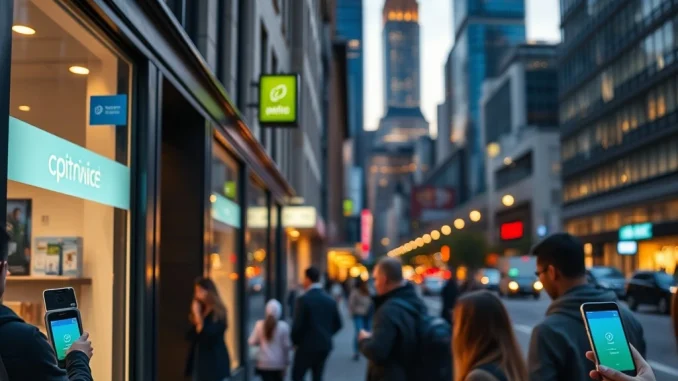
United States, May 2025: The transition toward a cashless society is accelerating across the United States, driven by consumer preference and rapid technological adoption. A comprehensive new study provides a definitive ranking of the most cashless-ready cities in the nation, analyzing the infrastructure, consumer behavior, and business adoption that define this digital shift. The research offers a crucial snapshot of which metropolitan areas are leading the charge in moving beyond physical currency.
Cashless-Ready Cities: The Methodology Behind the 2025 Ranking
The latest analysis, conducted by researchers at mBit Casino, moves beyond anecdotal evidence to deliver a data-driven assessment of cashless preparedness. The study evaluated over 50 major U.S. metropolitan areas across a weighted set of criteria designed to measure both the supply of and demand for digital payment options. Key metrics included the percentage of businesses explicitly advertising cashless or contactless payment acceptance, the density of financial technology (fintech) startups and employment, consumer adoption rates of mobile wallet apps like Apple Pay and Google Pay, and the availability of supporting infrastructure such as public transit systems that accept digital payments. Researchers also analyzed anonymized transactional data trends to gauge the real-world shift away from cash for everyday purchases. This multi-faceted approach ensures the ranking reflects a holistic view of a city’s readiness, not just a single data point.
The Top Ten: America’s Most Cashless-Ready Urban Centers
The study’s findings reveal a clear hierarchy of digital payment adoption, with coastal tech hubs and major financial centers dominating the top of the list. The ranking highlights how regional economic focus, demographic composition, and local policy influence the pace of this financial evolution.
- San Francisco, CA: Topping the list, the Bay Area’s deep integration of technology into daily life, coupled with a high concentration of fintech companies, creates an environment where cash is often an afterthought. From farmers’ markets to food trucks, digital payment penetration is nearly universal.
- Seattle, WA: A strong second, driven by major tech employers and a population quick to adopt new conveniences. The city’s public infrastructure, including ferries and light rail, supports extensive contactless fare payment.
- New York City, NY: The nation’s financial capital ranks highly due to the sheer volume of businesses catering to a mobile-savvy, international population and tourists. The Metropolitan Transportation Authority’s (MTA) OMNY contactless system has been a significant catalyst.
- Boston, MA: A hub for education and finance, Boston benefits from a young, tech-literate demographic and a historical willingness to experiment with new urban systems, including cashless transit.
- Washington, D.C.: The federal government’s presence and a highly educated workforce contribute to high adoption rates. Many government services and museums in the district have moved to online or card-only transactions.
- Austin, TX: As a rising tech center, Austin demonstrates how rapid growth and a culture of innovation can accelerate cashless adoption, particularly within its vibrant small business and festival scenes.
- San Diego, CA: Strong tourism and military sectors, which often rely on card-based spending, combined with a growing tech presence, place San Diego firmly in the top tier.
- Denver, CO: Denver’s ranking is bolstered by a robust startup ecosystem and a population that values convenience for outdoor and recreational activities, where carrying cash is less practical.
- Chicago, IL: A major logistics and business hub, Chicago shows strong adoption in its commercial core and is gradually expanding cashless options across its vast public transit network.
- Atlanta, GA: Rounding out the top ten, Atlanta’s role as a transportation and commercial nexus for the Southeast drives significant digital payment volume, particularly in travel and hospitality.
The Driving Forces Behind the Cashless Surge
Several interconnected trends are propelling this shift. The COVID-19 pandemic served as a profound catalyst, making contactless payments a matter of perceived safety and hygiene for both consumers and merchants. This behavioral change has persisted and intensified. Concurrently, financial technology has matured dramatically. Mobile banking apps are now standard, peer-to-peer payment services like Venmo and Zelle are ubiquitous, and the underlying point-of-sale technology for merchants has become more affordable and reliable. Furthermore, a generational shift is underway; younger demographics, particularly Millennials and Gen Z, demonstrate a clear preference for managing finances digitally and view cash as inconvenient. This consumer demand pressures businesses of all sizes to upgrade their payment systems to remain competitive.
Implications for Consumers, Businesses, and Policymakers
The move toward cashless-ready cities carries significant consequences. For consumers, it promises greater convenience, faster transaction speeds, and enhanced spending tracking through digital records. However, it also raises critical questions about financial inclusion. A segment of the population, including some elderly, low-income, and unbanked individuals, still relies primarily on cash. Cities that lead in cashless readiness must also develop parallel strategies to ensure these groups are not marginalized, such as supporting programs for low-cost banking access and mandating that essential public services retain cash options.
For businesses, the implication is clear: adapting to consumer preference is no longer optional. Retailers and service providers in high-ranking cities report faster checkout lines, reduced risks associated with handling cash (theft, counting errors), and streamlined accounting. The data also suggests that small businesses in these cities feel increased pressure to invest in modern payment terminals to keep pace with customer expectations and larger competitors.
From a policy perspective, the trend presents both opportunities and challenges. Municipal governments can achieve efficiency gains by digitizing fee and fine collections. Yet, they must also navigate regulatory concerns. Some states and cities, like New York City itself, have passed laws prohibiting cashless-only stores to protect consumer choice and access. The most prepared cities are likely those finding a balance—fostering innovation and infrastructure for digital payments while safeguarding equitable access to goods and services for all residents.
Conclusion: The Path to a Cashless Future is Uneven
The 2025 ranking of cashless-ready cities illustrates that America’s journey toward a digital-first economy is well underway but geographically uneven. The leaders are setting a template that combines technological infrastructure, consumer adoption, and business adaptation. This study provides a valuable benchmark for understanding the current state of this financial transformation. As digital payment technology continues to evolve, potentially incorporating central bank digital currencies (CBDCs) or more seamless cryptocurrency transactions, the gap between the most and least prepared cities may widen. The ongoing challenge for urban centers will be to harness the efficiency of cashless systems while proactively ensuring that the benefits of this new economy are broadly and inclusively shared.
FAQs
Q1: What does “cashless-ready” actually mean?
A city is considered cashless-ready when it has widespread infrastructure for digital payments (like contactless terminals), high consumer adoption of tools like mobile wallets, and a business environment where cashless transactions are commonly accepted and often preferred.
Q2: Are cashless cities better for everyone?
Not universally. While they offer convenience and efficiency, there are concerns about privacy, digital security, and excluding people who are unbanked or prefer cash. The most successful policies promote digital options while protecting cash access for essential services.
Q3: How was this ranking created?
The ranking used a multi-metric analysis including business adoption rates, fintech employment data, consumer mobile wallet usage, and the integration of digital payments into public infrastructure like transit systems.
Q4: Is going completely cashless legal?
It varies by location. Several states and cities, including Massachusetts, New Jersey, and San Francisco, have laws that require businesses to accept cash for in-person transactions to ensure equal access.
Q5: What is the biggest barrier to becoming a cashless-ready city?
The most significant barrier is often financial inclusion—ensuring all residents have access to banking services and digital literacy. Without addressing this, a push toward cashlessness can deepen socioeconomic divides.