
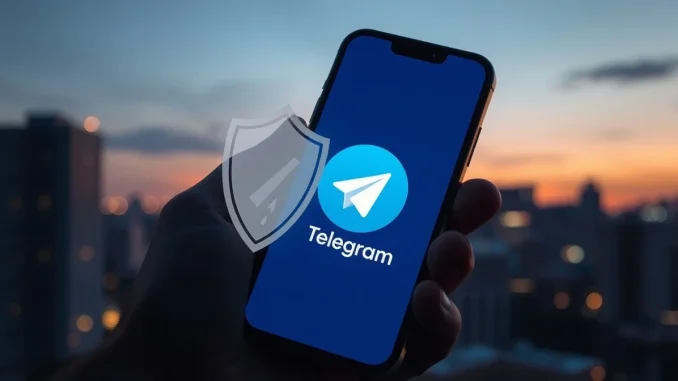
April 5, 2026 – Telegram founder Pavel Durov has declared Iran’s years-long blockade of his messaging platform a strategic failure. Instead of driving users to state-sanctioned alternatives, the ban triggered a wave of technological defiance. Durov claims it fueled mass adoption of tools to bypass censorship, creating what he terms a “digital resistance.” This development highlights a persistent global clash between state control and digital privacy.
Iran’s Telegram Ban and the VPN Surge
Iran officially blocked Telegram in 2018. Authorities aimed to stifle dissent and promote domestic messaging apps with built-in surveillance capabilities. According to Durov, the plan did not work. In a public statement on April 1, 2026, he said the government “hoped for mass adoption of its surveillance messaging apps, but got mass adoption of VPNs instead.”
Also read: Bitcoin Price Warning: Trader Predicts Inevitable Test of $60,000 Support as Selling Pressure Mounts
Virtual Private Networks mask a user’s location and IP address. They route internet traffic through servers in other countries. This simple technology has become a primary tool for Iranians to access the banned platform. Data from the Tor Project and digital rights groups like Access Now shows VPN usage in Iran has soared since the initial Telegram block. Durov estimates tens of millions in Iran still use Telegram this way.
This suggests a significant gap between official policy and on-the-ground reality. The state can block a service, but determined users often find a way. The cost is a more complex and fragmented internet for everyone.
Also read: Nevada Judge Crushes Kalshi's Defense, Extends Ban on Event Contracts as Illegal Gambling
The Expanding Digital Resistance
Durov framed this user behavior as part of a broader movement. “Now, 50 million members of the digital resistance in Iran are joined by over 50 million more in Russia,” he stated. Russia banned Telegram in 2018 before lifting the restriction in 2020. However, surveillance laws and platform blocks have remained. This parallel points to a common pattern in authoritarian states.
Industry watchers note that these figures, while hard to verify independently, align with trends reported by cybersecurity firms. Companies like Psiphon and Lantern often report spikes in VPN tool usage coinciding with political unrest or new censorship laws. The implication is clear: bans can act as a catalyst, teaching populations how to evade controls.
What this means for governments is a constant technological arms race. They must identify and block new VPN protocols and proxy servers. For users, it means accessing essential communication tools requires extra steps, cost, and sometimes risk.
Decentralized Tech as a Countermeasure
Beyond VPNs, the response to blackouts has spurred interest in more radical alternatives. Proponents of decentralized technology argue that tools like blockchain and encrypted mesh networks can neutralize state controls. They promote individual liberty by design.
During Iran’s nationwide internet blackout in January 2026, some residents turned to Starlink satellite terminals, despite a government ban. Others tested applications like Briar or Bridgefy, which use Bluetooth to create device-to-device mesh networks. These systems bypass traditional internet and cellular infrastructure entirely.
A GitHub repository for the BitChat application, cited in earlier reports, shows how such tools work. Each phone becomes a node, passing messages along like a digital bucket brigade. This technology saw notable uptake during social media bans in Nepal in late 2025 and during protests in Madagascar.
The Global Pattern of Control and Circumvention
The situation in Iran is not isolated. It fits a global pattern where internet shutdowns and app bans have become common state tools. According to a 2025 report by the digital rights organization Access Now, there were over 280 major internet shutdowns globally in 2024. Governments from Myanmar to Ethiopia have used them.
Each shutdown, however, often leads to a surge in workarounds. This creates a cycle: imposition, circumvention, and then state efforts to close the new loopholes. The table below outlines recent examples:
| Country | Action (Year) | Reported User Response |
|---|---|---|
| Iran | Telegram ban (2018) | Mass VPN adoption |
| Russia | Platform blocks (2022-2024) | Widespread use of proxies & VPNs |
| Nepal | Social media ban (2025) | Spike in mesh app downloads |
This cycle has economic and social costs. It disrupts business, education, and access to vital information. But it also fosters a growing industry and community focused on anti-censorship tools.
Challenges and Risks for Users
Bypassing bans is not without danger or difficulty. Reliable VPNs often require payment, which can be a barrier. Free VPNs may log user data or be insecure. Governments increasingly employ Deep Packet Inspection (DPI) to identify and throttle VPN traffic. In some countries, simply using a VPN can lead to fines or arrest.
Furthermore, the quality of service through circumvention tools is often poorer. Connections can be slow and unstable. This creates a tiered internet experience where those with technical knowledge or money enjoy better access. The digital resistance Durov describes is real, but it is also uneven.
Conclusion
Pavel Durov’s assessment that Iran’s Telegram ban backfired underscores a key tension of the digital age. State attempts to control information flow can inadvertently promote the very tools and skills that undermine that control. The mass adoption of VPNs in Iran and Russia shows a persistent public demand for open communication. While governments continue to develop more sophisticated filtering and surveillance, a parallel ecosystem of circumvention technology grows in response. This ongoing struggle between centralized authority and decentralized workarounds will likely define internet freedom battles for years to come.
FAQs
Q1: Why did Iran ban Telegram?
Iran banned Telegram in 2018, citing national security concerns. Authorities stated the platform was used to organize protests and spread unrest. The government also sought to promote domestic messaging apps that complied with local surveillance laws.
Q2: How are people in Iran still using Telegram?
Most users in Iran access Telegram through Virtual Private Networks (VPNs) or proxy services. These tools mask the user’s real IP address and location, making it appear their internet traffic is originating from another country where Telegram is not blocked.
Q3: What is a “digital resistance” in this context?
Pavel Durov used the term to describe millions of users who actively use technological tools like VPNs to circumvent state-imposed internet blocks. It refers to collective action aimed at preserving access to information and private communication against government restrictions.
Q4: Are VPNs legal in Iran?
The use of unauthorized VPNs is illegal in Iran. The government only permits VPNs that are officially registered and monitored. However, enforcement is challenging, and many Iranians use unauthorized VPN services to access blocked content.
Q5: What are the risks of using VPNs in countries with strict internet controls?
Risks include potential legal penalties, such as fines. There are also security risks if the VPN service is unreliable or malicious, potentially exposing user data. Furthermore, governments can sometimes detect and block VPN traffic, leading to interrupted service.

This article was produced with AI assistance and reviewed by our editorial team for accuracy and quality.


Be the first to comment