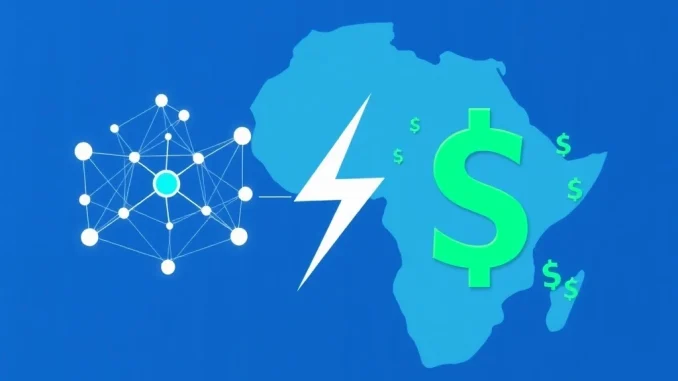
In a significant development for African cryptocurrency adoption, the Sui blockchain announced a groundbreaking partnership with crypto-fiat service provider LINQ on December 15, 2024, creating what industry experts describe as a potential game-changer for Nigeria’s digital economy. This collaboration specifically targets one of cryptocurrency’s most persistent challenges: converting digital assets into local currency efficiently and reliably.
Sui Blockchain and LINQ Partnership Details
The official announcement came through Sui’s verified X account, revealing that the Layer 1 blockchain platform has integrated with LINQ’s exchange infrastructure. Consequently, Nigerian users can now convert various cryptocurrencies, particularly stablecoins, directly into Nigerian Naira. The partnership leverages Sui’s high-throughput blockchain architecture, which processes transactions with remarkable speed and minimal fees. Meanwhile, LINQ provides the regulatory-compliant fiat gateway necessary for real-world utility.
Technical specifications reveal that the integration enables settlements in under 60 seconds, a significant improvement over traditional methods that often require hours or days. This speed advantage stems from Sui’s parallel transaction processing capabilities and object-centric data model, which differ fundamentally from conventional blockchain architectures. The platform’s developers have emphasized that this partnership represents just the initial phase of their African expansion strategy.
Nigeria’s Crypto Landscape and Market Context
Nigeria has emerged as one of Africa’s most active cryptocurrency markets despite regulatory uncertainties. According to Chainalysis’s 2024 Global Crypto Adoption Index, Nigeria consistently ranks among the top three nations for peer-to-peer exchange volume. The country’s young, tech-savvy population and persistent currency volatility have driven substantial demand for digital asset alternatives. However, reliable off-ramp services have remained a critical bottleneck.
Previous solutions often involved complex processes through international exchanges or informal peer-to-peer arrangements, both presenting significant security and reliability concerns. The Central Bank of Nigeria’s 2021 restrictions on bank-facilitated crypto transactions created additional complications. Against this backdrop, the Sui-LINQ partnership addresses a genuine market need with a technically sophisticated solution.
Technical Architecture and Competitive Advantages
Sui’s blockchain employs a unique Move programming language and parallel execution framework that enables linear scaling with network growth. This technical foundation allows the network to maintain sub-second finality even during high transaction volumes. When combined with LINQ’s banking integrations and compliance infrastructure, the partnership creates what analysts describe as a “seamless bridge” between decentralized finance and traditional banking systems.
Comparative analysis shows several advantages over existing solutions:
- Speed: Under 60-second settlements versus industry averages of 10-30 minutes
- Cost: Transaction fees reportedly 70-80% lower than Ethereum-based alternatives
- Accessibility: Direct Naira conversions without intermediate currency steps
- Reliability: Enterprise-grade infrastructure with 99.9% uptime guarantees
| Platform | Settlement Time | Supported Assets | Fees |
|---|---|---|---|
| Sui via LINQ | < 1 minute | Stablecoins, SUI, select tokens | 0.5-1.5% |
| Traditional Exchanges | 15-60 minutes | Major cryptocurrencies | 1.5-3% |
| P2P Platforms | Variable | Bitcoin, USDT | 2-5% |
| Bank Transfers | 1-3 days | Limited options | 3-7% |
Stablecoin Integration and Financial Inclusion Impact
The partnership’s initial focus on stablecoin conversions reflects strategic market understanding. Stablecoins like USDC and USDT have become particularly popular in Nigeria as hedges against Naira volatility and inflation, which reached 28.9% in November 2024 according to National Bureau of Statistics data. By providing rapid conversion capabilities, the Sui-LINQ integration potentially transforms stablecoins from speculative assets into practical financial tools.
Financial inclusion implications are substantial, as approximately 36% of Nigerian adults remain unbanked according to World Bank estimates. Cryptocurrency adoption, particularly through mobile-accessible platforms, offers alternative financial participation pathways. The partnership’s announced “more features coming soon” suggests potential expansion into areas like microlending, remittances, and merchant payment solutions.
Regulatory Considerations and Compliance Framework
Industry observers note that the partnership’s success depends significantly on regulatory navigation. Nigeria’s Securities and Exchange Commission has gradually developed cryptocurrency guidelines since 2022, focusing on exchange registration and consumer protection standards. LINQ’s established compliance infrastructure reportedly includes Bank Verification Number integration and transaction monitoring systems aligned with Financial Action Task Force recommendations.
This regulatory alignment distinguishes the partnership from less formal alternatives and provides greater security for users. The collaboration also demonstrates how blockchain projects can work within existing regulatory frameworks while advancing technological innovation—a balance that has challenged many cryptocurrency initiatives in emerging markets.
Broader Implications for African Blockchain Development
The Sui-LINQ partnership represents more than just a service launch; it signals growing institutional confidence in Africa’s blockchain potential. Similar to how mobile money transformed financial access in Kenya through M-Pesa, integrated crypto-fiat solutions could catalyze next-generation financial infrastructure across the continent. Several other blockchain projects are reportedly monitoring the partnership’s performance metrics for potential replication in other African markets.
Technical infrastructure development accompanies this financial innovation. Sui’s developer documentation indicates ongoing work with African tech hubs to expand local blockchain expertise. Educational initiatives and developer grants aim to cultivate homegrown talent capable of building solutions addressing regional challenges beyond financial services, including supply chain transparency, identity verification, and public record management.
Conclusion
The Sui blockchain partnership with LINQ establishes a significant milestone in Nigeria’s cryptocurrency evolution by addressing the critical off-ramp challenge with unprecedented speed and reliability. This collaboration between advanced blockchain technology and compliant fiat infrastructure demonstrates how thoughtful integration can advance financial inclusion while respecting regulatory frameworks. As the platform expands its features and potentially serves as a model for other emerging markets, the Sui-LINQ partnership may well represent a turning point in making cryptocurrency genuinely practical for everyday financial needs in Africa and beyond.
FAQs
Q1: What exactly does the Sui and LINQ partnership provide?
The partnership creates a direct bridge between the Sui blockchain and Nigerian banking system, allowing users to convert cryptocurrencies—particularly stablecoins—into Nigerian Naira with settlements completed in under one minute.
Q2: How does this service differ from existing crypto exchange options in Nigeria?
Traditional exchanges often require multiple steps and longer settlement times. The Sui-LINQ integration provides near-instant conversions with lower fees by leveraging Sui’s high-speed blockchain architecture and LINQ’s direct banking integrations.
Q3: Is this service available throughout Nigeria?
Initial implementation covers major urban centers with plans for nationwide expansion. Service availability depends on banking infrastructure and regulatory approvals in specific regions.
Q4: What cryptocurrencies are supported for conversion to Naira?
The service initially focuses on major stablecoins (USDC, USDT) and SUI tokens, with plans to expand support based on user demand and regulatory considerations.
Q5: How does this partnership address regulatory compliance concerns?
LINQ operates within Nigeria’s existing financial regulatory framework, implementing standard KYC (Know Your Customer) and AML (Anti-Money Laundering) procedures while Sui provides transparent, auditable blockchain transaction records.
Q6: What are the potential long-term impacts of this partnership?
Beyond immediate currency conversion, the infrastructure could support broader financial services including remittances, microlending, and merchant payments, potentially advancing financial inclusion across Nigeria and serving as a model for other African markets.
Updated insights and analysis added for better clarity.
This article was produced with AI assistance and reviewed by our editorial team for accuracy and quality.