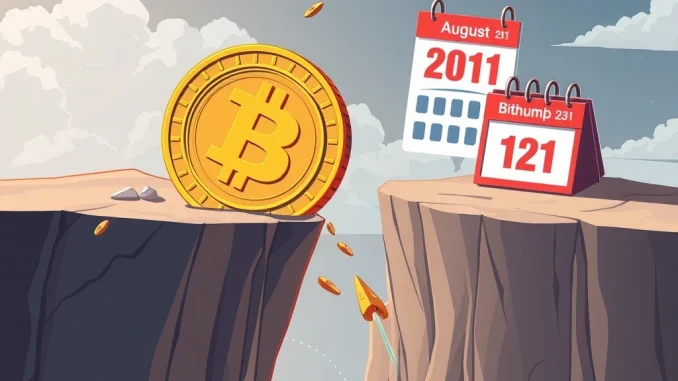
A critical announcement has sent ripples through the South Korean cryptocurrency market: major exchanges Upbit and Bithumb have declared their intention to delist the Strike (STRIKE) token. This **STRIKE delisting**, effective August 21st, 2024, at 06:00 UTC, marks a significant development for the token and its holders. Investors holding STRIKE on these platforms must take immediate action to avoid potential losses.
What Does the STRIKE Delisting Mean for Investors?
The decision by leading **Korean crypto exchanges**, Upbit and Bithumb, to remove STRIKE from their trading pairs is a pivotal moment for the token’s liquidity and accessibility, especially within the South Korean market. Such announcements often lead to immediate price volatility and reduced trading opportunities for the affected asset.
- Reduced Liquidity: With two major exchanges ceasing support, the available trading volume for STRIKE will significantly decrease, potentially making it harder to buy or sell the token.
- Price Impact: Delistings typically trigger a sharp decline in the token’s price as holders rush to sell before the deadline.
- Accessibility Issues: Investors who rely on Upbit and Bithumb will need to find alternative platforms or wallets to manage their STRIKE holdings.
Why Do Exchanges Like Upbit and Bithumb Initiate a Crypto Delisting?
While the specific reasons for the **Upbit Bithumb** delisting of STRIKE were not detailed in the initial announcement, exchanges generally delist cryptocurrencies for a variety of reasons. These decisions are often made to protect users, maintain market integrity, and comply with regulatory standards. Common factors include:
- Low Liquidity or Trading Volume: Assets that do not attract sufficient trading activity can become a burden for exchanges, offering poor trading experiences.
- Regulatory Concerns: Changes in regulations or a project’s inability to comply with existing financial laws can lead to delisting.
- Project Viability and Development: Lack of significant development, inactive communities, or a failure to meet roadmap milestones can signal a project’s decline.
- Security Vulnerabilities: Discovery of critical bugs, network attacks, or other security flaws can prompt an exchange to delist an asset to protect user funds.
- Misleading Information or Fraud: If a project is found to be providing false information or engaging in fraudulent activities, delisting is an immediate response.
It’s crucial for investors to understand these potential reasons, as they reflect broader risks in the volatile crypto market.
Immediate Actions for STRIKE Crypto Holders
For anyone holding **STRIKE crypto** on Upbit or Bithumb, time is of the essence. The August 21st deadline is firm, and failing to act could result in permanent loss of access to your tokens. Here are the recommended steps:
- Withdraw Your Tokens: The most important step is to withdraw your STRIKE tokens from Upbit and Bithumb to a private wallet (like a hardware wallet or a software wallet where you control the private keys) or to another exchange that still supports STRIKE.
- Trade Before the Deadline: If you wish to sell your STRIKE, do so before the delisting date. Be aware that liquidity may be low, and prices could be highly volatile.
- Monitor Official Announcements: Always refer to the official announcements from Upbit and Bithumb for precise instructions and deadlines.
- Research Alternative Platforms: If you plan to continue holding or trading STRIKE, research other reputable exchanges that list the token.
Ignoring this announcement could lead to your assets being inaccessible or even irrecoverable after the delisting date.
Navigating Future Delistings: Lessons from Upbit and Bithumb
This incident serves as a stark reminder of the dynamic nature of the cryptocurrency market. While delistings are an unfortunate reality, they highlight the importance of due diligence and risk management for investors. The actions of **Korean crypto exchanges** like Upbit and Bithumb often set precedents or reflect broader market trends.
Investors should:
- Diversify Portfolios: Avoid putting all your capital into a single asset.
- Stay Informed: Regularly check official exchange announcements and reputable crypto news sources.
- Understand Project Fundamentals: Invest in projects with strong teams, clear roadmaps, and active development.
- Use Non-Custodial Wallets: For long-term holding, store your assets in wallets where you control the private keys, reducing reliance on exchanges.
This **crypto delisting** event underscores the need for vigilance and proactive management of your digital assets.
Conclusion: A Call for Investor Vigilance
The upcoming **STRIKE delisting** by Upbit and Bithumb is a significant event that demands immediate attention from affected investors. While delistings can be unsettling, they are a part of the evolving cryptocurrency landscape, often driven by a variety of factors aimed at maintaining market health and regulatory compliance. For STRIKE holders, the message is clear: act swiftly to secure your assets before the August 21st deadline. For all crypto enthusiasts, this serves as a powerful reminder of the importance of continuous research, portfolio diversification, and staying informed about the platforms you use. Your proactive approach is key to navigating the unpredictable currents of the digital asset world.
Frequently Asked Questions (FAQs)
Q1: What exactly is happening with STRIKE on Upbit and Bithumb?
A1: South Korean cryptocurrency exchanges Upbit and Bithumb have announced they will delist the Strike (STRIKE) token from all trading pairs. This means trading and withdrawal services for STRIKE will cease on their platforms after August 21, 2024, at 06:00 UTC.
Q2: Why are Upbit and Bithumb delisting STRIKE?
A2: While the specific reasons for this particular STRIKE delisting were not detailed, common reasons for crypto delistings include low liquidity, failure to meet exchange listing criteria, regulatory concerns, security issues, or a lack of project development and viability.
Q3: What should I do if I hold STRIKE on Upbit or Bithumb?
A3: It is crucial to withdraw your STRIKE tokens from these exchanges to a personal crypto wallet (like a hardware or software wallet) or transfer them to another exchange that supports STRIKE before the August 21st deadline. Alternatively, you can sell your STRIKE tokens on these exchanges before the delisting date, though be aware of potential price volatility and low liquidity.
Q4: Will STRIKE be delisted from all crypto exchanges globally?
A4: No, this announcement specifically pertains to Upbit and Bithumb, two major South Korean exchanges. STRIKE may still be listed and tradable on other international or smaller exchanges. It’s recommended to check other platforms for their listing status of STRIKE.
Q5: What happens if I don’t withdraw my STRIKE before August 21st?
A5: If you fail to withdraw your STRIKE tokens before the specified deadline, you may lose access to them permanently. Upbit and Bithumb will cease all support for STRIKE, and your tokens could become inaccessible or irrecoverable on their platforms.
Q6: How can I stay informed about future crypto delistings?
A6: To stay informed, regularly check the official announcement pages of the cryptocurrency exchanges you use. Additionally, follow reputable crypto news outlets and set up alerts for assets you hold. Diversifying your portfolio and understanding the fundamentals of your investments can also help mitigate risks associated with delistings.
Updated insights and analysis added for better clarity.
This article was produced with AI assistance and reviewed by our editorial team for accuracy and quality.