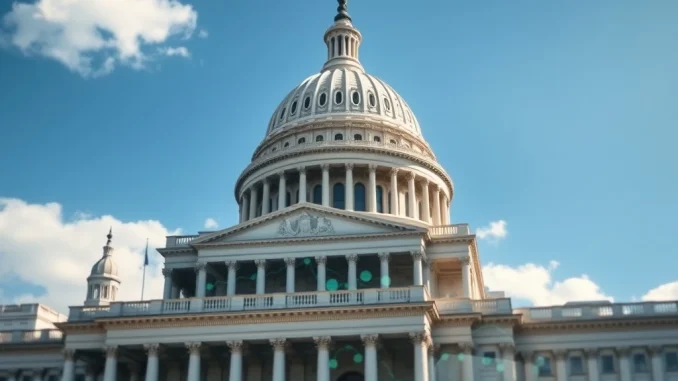
WASHINGTON, D.C. — March 15, 2026: Pressure intensified today on cryptocurrency giant Binance as a bipartisan coalition of U.S. lawmakers formally requested multiple federal investigations into the exchange’s sanctions compliance and anti-money laundering controls. Nine Democratic senators, led by Senators Elizabeth Warren (D-MA) and Sherrod Brown (D-OH), dispatched urgent letters to the Treasury Department, Justice Department, and Securities and Exchange Commission. The lawmakers specifically cited concerns about Binance’s connections to dollar-pegged stablecoins and potential gaps in its financial crime safeguards. This move signals a significant escalation in regulatory scrutiny facing the world’s largest crypto exchange and arrives as Congress debates landmark legislation for the digital asset sector.
Lawmakers Escalate Scrutiny of Binance Operations
The formal request for a Binance investigation centers on the exchange’s adherence to U.S. sanctions programs and the effectiveness of its internal controls. Senators expressed acute concern that Binance’s vast global network, which processed over $18 trillion in spot trading volume last quarter, could be exploited to bypass economic restrictions. Their letters reference prior enforcement actions, including the 2023 settlement where Binance paid $4.3 billion to resolve charges with the Department of Justice and Commodity Futures Trading Commission. However, lawmakers argue that ongoing compliance requires continuous verification. Consequently, they are pressing agencies to examine whether the exchange has fully implemented promised reforms. The Treasury Department’s Office of Foreign Assets Control (OFAC) and Financial Crimes Enforcement Network (FinCEN) are primary targets of the inquiry.
This political action did not emerge in a vacuum. It follows a six-month review by the Senate Banking Committee, which gathered testimony from blockchain analysts and former compliance officers. A central thread in the committee’s findings involved the technical architecture of cross-chain swaps and decentralized finance (DeFi) protocols accessible via Binance. These features, while innovative, can complicate traditional transaction monitoring. The senators’ letters explicitly ask regulators to assess whether Binance’s systems can reliably track the origin and destination of funds when they move between different blockchain networks. This technical depth distinguishes the current inquiry from broader political statements.
Stablecoin Links and Anti-Money Laundering Controls Under Microscope
A novel and critical focus of the proposed sanctions compliance probe involves Binance’s relationship with major dollar-pegged stablecoins. Lawmakers highlighted the exchange’s role as a primary liquidity provider and issuer of its own BUSD stablecoin until 2024. They question whether the redemption and minting processes for assets like Tether (USDT) and USD Coin (USDC) on the platform contain sufficient checks to prevent sanctioned entities from accessing the U.S. dollar system. Stablecoins, designed to maintain a 1:1 value with the dollar, are pivotal to crypto trading. Any vulnerability in their controls could have systemic implications.
- Transaction Monitoring Gaps: The letters cite a 2025 report from blockchain analytics firm Chainalysis, which noted that automated systems can struggle with complex, multi-hop transactions designed to obscure fund origins.
- Geographic Risk Exposure: Senators point to Binance’s historical operations in jurisdictions with weak anti-money laundering (AML) frameworks, questioning if customer onboarding from these regions meets U.S. standards.
- Internal Audit Transparency: Lawmakers demand regulators review Binance’s internal audit logs and compliance staffing levels to verify the operational independence of its financial crime unit.
Expert Analysis on Regulatory Pressure
Financial compliance experts view the senators’ move as a predictable next step in a tightening regulatory environment. Sarah Brennan, a former OFAC senior advisor now at the Georgetown University Law Center, stated, “This is a direct application of traditional financial sector scrutiny to a non-traditional entity. The questions about stablecoins are particularly astute, as they touch the core of how crypto interfaces with the traditional dollar system.” Brennan emphasized that the request is not an accusation of guilt but a call for verification. Conversely, Michael Tan, a partner at the law firm Clifford Chance specializing in digital assets, noted the practical challenges. “Regulators must balance enforcement with innovation. A forensic audit of every transaction on a platform of Binance’s scale is a monumental task that requires new tools and approaches,” Tan explained. These expert perspectives underscore the technical and legal complexity at the heart of the issue.
Broader Context of Cryptocurrency Regulation in 2026
The push for a Binance investigation occurs against a backdrop of decisive global regulatory action. In the past 18 months, the European Union fully implemented its Markets in Crypto-Assets (MiCA) framework, Japan expanded its exchange licensing regime, and the UK finalized its cryptoasset promotion rules. The United States, however, has proceeded via enforcement actions and agency guidance rather than comprehensive legislation. The current congressional session features at least three major bills aiming to establish clear federal rules for digital asset markets, stablecoin issuance, and custody. The senators’ letters are widely interpreted as an effort to ensure any new laws are built upon a complete understanding of existing risks.
| Regulatory Body | Primary Concern Cited by Senators | Potential Action Timeline |
|---|---|---|
| U.S. Treasury (OFAC/FinCEN) | Sanctions evasion via opaque transaction paths | 3-6 months for preliminary review |
| Department of Justice (DOJ) | Willful violations of the Bank Secrecy Act | Subject to existing grand jury investigations |
| Securities and Exchange Commission (SEC) | Whether certain crypto assets traded are unregistered securities | Ongoing; part of wider litigation strategy |
What Happens Next: Scenarios and Market Implications
The immediate next step rests with the federal agencies. The Treasury, DOJ, and SEC must now decide whether to formally open investigations based on the senators’ requests. Historically, such letters from influential committee chairs carry significant weight. Agency staff will likely conduct a preliminary review of the allegations before committing resources to a full probe. Market analysts at Bloomberg Intelligence suggest three potential outcomes: a limited review finding no major new issues, a negotiated settlement leading to enhanced reporting requirements, or a major enforcement action if severe violations are discovered. Each path would have distinct implications for Binance’s U.S. operations and the broader crypto market liquidity.
Industry and Community Reaction
Reaction from the cryptocurrency industry has been mixed. The Blockchain Association, a leading advocacy group, issued a statement supporting “smart regulation” but cautioning against “regulation by letter” that could stifle innovation. Some decentralized finance (DeFi) developers expressed concern that excessive focus on centralized exchanges like Binance could lead to overly broad rules that also impact permissionless protocols. On social media, crypto traders debated the potential for short-term market volatility versus the long-term benefit of regulatory clarity. This spectrum of responses highlights the ongoing tension within the digital asset ecosystem between growth and governance.
Conclusion
The call for a federal Binance investigation marks a critical juncture for cryptocurrency regulation. It reflects a determined effort by U.S. lawmakers to apply established anti-money laundering and sanctions compliance standards to the digital asset economy. The focus on stablecoin links reveals a sophisticated understanding of potential systemic risks. While the outcome remains uncertain, the process itself will likely shape the final form of pending legislation and define the compliance expectations for all major crypto exchanges. Investors and industry participants should monitor official responses from the Treasury and Justice Departments in the coming weeks, as these will provide the first concrete signals of the investigation’s scope and seriousness.
Frequently Asked Questions
Q1: Why are U.S. senators specifically investigating Binance now?
The request follows increased congressional focus on digital asset regulation and concerns that prior settlements may not have fully addressed systemic compliance risks, particularly regarding the use of stablecoins and cross-chain technology.
Q2: What are the potential consequences if an investigation finds violations?
Potential outcomes range from fines and enhanced reporting requirements to stricter operational limits on Binance’s U.S. activities. In a severe case, it could affect the exchange’s banking relationships and ability to serve U.S. customers.
Q3: How long might a formal federal investigation take?
Preliminary reviews by agencies like the Treasury can take 3-6 months. A full-scale investigation, especially if it involves grand juries or complex forensic accounting, could extend for a year or more.
Q4: How does this affect an average cryptocurrency investor?
In the short term, it may increase market volatility. Long-term, clearer regulations could improve investor protection and market stability, but may also lead to changes in which assets are available on major exchanges.
Q5: Is this part of a wider global trend in crypto regulation?
Yes. The U.S. action parallels stricter regimes in the EU, UK, and Asia. The global focus is shifting from outright bans to implementing robust anti-money laundering and consumer protection frameworks for crypto.
Q6: What should Binance users do in response to this news?
Users should ensure they understand the exchange’s terms of service, keep records of their transactions, and stay informed via official regulatory announcements rather than social media speculation.
Updated insights and analysis added for better clarity.
This article was produced with AI assistance and reviewed by our editorial team for accuracy and quality.