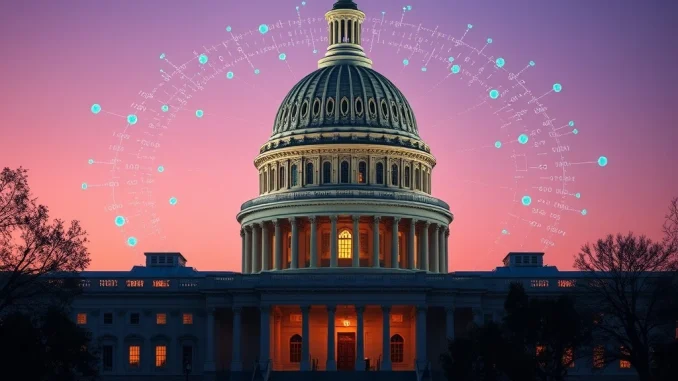
WASHINGTON, D.C. – March 2025: A contentious provision protecting cryptocurrency software developers has triggered a significant legislative clash in the U.S. Senate, potentially delaying crucial market structure reforms. Senate Judiciary Committee leaders recently declared the developer protection clause inappropriate for inclusion in the comprehensive digital asset framework currently under consideration. This development represents a pivotal moment in the ongoing struggle to balance innovation with regulatory oversight in the rapidly evolving cryptocurrency landscape.
Crypto Developer Protection Clause Faces Bipartisan Opposition
Senate Judiciary Committee leaders Chuck Grassley (R-Iowa) and Dick Durbin (D-Illinois) have jointly expressed concerns about the proposed cryptocurrency developer exemption. Their opposition centers on potential conflicts with existing federal statutes governing money transmission. Specifically, they argue the provision could undermine enforcement against unlicensed money transmitters. This bipartisan stance highlights the complex regulatory challenges surrounding decentralized technologies.
Furthermore, the senators emphasize that software developers should not receive blanket immunity from criminal liability. They contend that such protection might inadvertently shield bad actors who create tools specifically designed for illicit purposes. This position reflects growing concerns about national security implications in the cryptocurrency sector. The debate has already impacted the legislative timeline, contributing to recent delays in the Senate Banking Committee’s deliberations.
Historical Context of Cryptocurrency Regulation
The current debate builds upon years of regulatory uncertainty surrounding digital assets. Since Bitcoin’s emergence in 2009, lawmakers have struggled to apply traditional financial frameworks to decentralized technologies. The proposed market structure bill represents Congress’s most comprehensive attempt to establish clear rules for cryptocurrency markets. However, disagreements over specific provisions continue to complicate this legislative effort.
Several key regulatory milestones have shaped the current discussion:
- 2013: Financial Crimes Enforcement Network (FinCEN) issues first guidance on virtual currencies
- 2015: New York State implements BitLicense framework
- 2020: Office of the Comptroller of the Currency allows banks to hold cryptocurrency
- 2022: Tornado Cash sanctions highlight developer liability concerns
- 2024: Multiple cryptocurrency market structure bills introduced in Congress
This historical progression demonstrates the gradual evolution of cryptocurrency regulation. Each development has informed current legislative approaches to balancing innovation with consumer protection.
Expert Perspectives on Developer Liability
Legal scholars and industry experts offer diverse viewpoints on the developer protection debate. Professor Sarah Johnson of Georgetown Law Center notes, “The fundamental question involves determining where developer responsibility ends and user responsibility begins in decentralized systems.” This distinction proves particularly challenging for open-source software development.
Meanwhile, blockchain industry representatives argue that excessive liability could stifle innovation. “Developers creating neutral tools should not face criminal charges for how others misuse those tools,” states Michael Chen of the Blockchain Association. This perspective emphasizes the importance of maintaining America’s competitive edge in financial technology development.
Technical Implications of the Proposed Exemption
The contested provision specifically addresses criminal liability for software developers when their creations facilitate unauthorized financial activities. This technical distinction becomes crucial for understanding the Senate’s concerns. The exemption would apply only to developers who create general-purpose tools without specific malicious intent. However, determining intent in software development presents significant challenges for enforcement agencies.
Key technical considerations include:
| Consideration | Pro-Exemption View | Anti-Exemption View |
|---|---|---|
| Code Neutrality | Software tools are inherently neutral | Design choices can indicate purpose |
| Innovation Impact | Fear of liability stifles development | Reasonable safeguards promote responsible innovation |
| Enforcement Practicality | Difficult to prove developer intent | Existing tools can analyze code patterns |
| International Standards | Other nations provide clearer guidelines | U.S. should lead on security standards |
These technical debates underscore the complexity of regulating rapidly evolving technologies. The Senate’s concerns reflect genuine challenges in applying traditional legal frameworks to decentralized systems.
National Security and Financial Crime Concerns
Senators Grassley and Durbin specifically reference Tornado Cash in their opposition to the developer protection clause. This cryptocurrency mixing service faced sanctions in 2022 for allegedly facilitating money laundering. The Treasury Department’s Office of Foreign Assets Control (OFAC) designated the service for enabling illicit financial transactions. This action marked a significant escalation in regulatory approaches to decentralized finance tools.
National security experts warn that blanket developer protections could complicate efforts to combat terrorist financing and sanctions evasion. “We must maintain tools to address national security threats in the digital age,” explains former Treasury official David Miller. This perspective emphasizes the need for balanced approaches that consider both innovation and security imperatives.
Recent enforcement actions demonstrate the practical implications of these concerns:
- 2023: Department of Justice charges against cryptocurrency mixing service operators
- 2024: Multiple indictments for unlicensed money transmission via decentralized protocols
- 2025: Increased scrutiny of privacy-focused cryptocurrency tools
These cases illustrate the ongoing tension between privacy, innovation, and law enforcement needs in cryptocurrency regulation.
Legislative Process and Timeline Implications
The developer protection debate has already affected the market structure bill’s progression through Congress. Senate Banking Committee deliberations recently experienced delays attributed partly to this contentious provision. This development suggests significant disagreements among committee members about the appropriate scope of cryptocurrency regulation.
Several factors influence the legislative timeline:
- Committee jurisdiction disputes between Banking and Judiciary committees
- Upcoming election cycles affecting legislative priorities
- Industry lobbying efforts on both sides of the debate
- International regulatory developments influencing U.S. approaches
Observers note that comprehensive cryptocurrency legislation typically requires multiple sessions of Congress for completion. The current debate may extend this timeline further as lawmakers seek consensus on complex technical issues.
Comparative International Approaches
Other nations have adopted varying approaches to cryptocurrency developer liability. The European Union’s Markets in Crypto-Assets (MiCA) regulation provides specific guidelines for service providers while leaving some developer questions unresolved. Meanwhile, Singapore has implemented a licensing framework that includes certain developer responsibilities. These international examples inform the U.S. debate while highlighting different regulatory philosophies.
Japan’s approach proves particularly instructive, as the nation has developed detailed cryptocurrency regulations following early exchange failures. Their system emphasizes consumer protection while encouraging technological innovation. This balanced approach offers potential lessons for U.S. policymakers navigating similar challenges.
Market Impact and Industry Response
The cryptocurrency industry has responded cautiously to the Senate’s position on developer protection. Major industry associations emphasize the importance of regulatory clarity while expressing concerns about potential overreach. “We support reasonable regulation but worry about unintended consequences for innovation,” notes the Digital Chamber of Commerce in a recent statement.
Market participants highlight several potential impacts:
- Increased compliance costs for blockchain development companies
- Potential relocation of development teams to more favorable jurisdictions
- Possible chilling effects on open-source cryptocurrency projects
- Increased demand for legal clarity before launching new protocols
These concerns reflect the delicate balance between regulation and innovation in emerging technology sectors. The final legislative outcome will significantly influence America’s position in the global cryptocurrency ecosystem.
Conclusion
The debate over cryptocurrency developer protection represents a critical juncture in U.S. digital asset regulation. Senate leaders’ opposition to the proposed exemption highlights genuine concerns about maintaining effective tools against financial crime. However, the discussion also underscores the challenges of applying traditional regulatory frameworks to decentralized technologies. As the market structure bill progresses, lawmakers must balance multiple competing priorities including innovation, consumer protection, and national security. The final resolution of this crypto developer protection debate will shape America’s cryptocurrency landscape for years to come.
FAQs
Q1: What is the cryptocurrency developer protection clause?
The provision would exempt software developers from criminal liability when their tools are misused by others, provided they didn’t create them specifically for illegal purposes.
Q2: Why do Senate leaders oppose this protection?
Senators Grassley and Durbin argue it could weaken enforcement against unlicensed money transmitters and complicate efforts to combat financial crimes using services like Tornado Cash.
Q3: How does this affect the broader market structure bill?
The disagreement has contributed to delays in Senate Banking Committee deliberations as lawmakers seek consensus on this and other contentious provisions.
Q4: What are the national security concerns?
Experts worry that blanket developer protections might hinder efforts to prevent terrorist financing, sanctions evasion, and other illicit activities using cryptocurrency tools.
Q5: How do other countries handle developer liability?
Approaches vary significantly, with the EU providing some guidelines under MiCA, Singapore implementing licensing frameworks, and Japan emphasizing balanced innovation and consumer protection.
Updated insights and analysis added for better clarity.
This article was produced with AI assistance and reviewed by our editorial team for accuracy and quality.