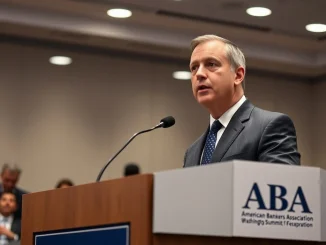
WASHINGTON, D.C. — In a significant legislative move, Senator Bernie Sanders (I-VT) and Representative Alexandria Ocasio-Cortez (D-NY) introduced companion bills on March 25, 2026, proposing a federal ban on the construction of new data centers with peak power loads exceeding 20 megawatts. Consequently, this proposal directly links the explosive growth of artificial intelligence infrastructure to calls for comprehensive federal AI regulation.
Data Center Ban Targets AI’s Physical Footprint
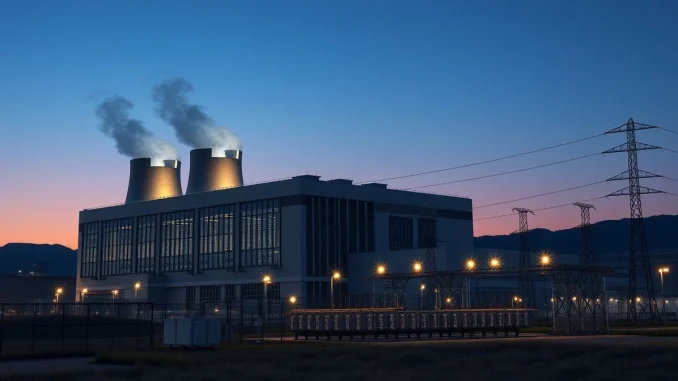
The proposed legislation, formally titled the “AI Infrastructure Responsibility Act,” seeks a moratorium on major data center projects. Specifically, the bill would halt any new construction or expansion of facilities designed to draw more than 20MW at peak capacity. Furthermore, the moratorium would remain in effect until Congress enacts what the lawmakers describe as “comprehensive and enforceable” federal regulations governing artificial intelligence development and deployment.
Senator Sanders’ office released a statement framing the issue around national priorities. “We cannot allow an unregulated AI arms race to dictate our nation’s energy and infrastructure future,” the statement read. “This legislation presses pause on the most energy-intensive projects until we have guardrails to protect workers, our communities, and our democracy.” The proposal arrives amid a documented surge in data center development across the United States, driven largely by demand for computational power to train and run advanced AI models.
Growing Backlash Against AI Infrastructure
The bill capitalizes on a growing public and political concern regarding the environmental and societal impacts of large-scale computing infrastructure. A March 2026 Pew Research Center poll found that 52% of U.S. adults reported feeling more concerned than excited about AI’s increased use in daily life. Meanwhile, only 10% said their excitement outweighed their concern. This sentiment provides a backdrop for the lawmakers’ aggressive stance.
Tech Industry Warnings Fuel Regulatory Push
The legislation cites warnings from several prominent figures within the technology sector who have publicly called for caution or regulation. For instance, Tesla and SpaceX CEO Elon Musk has repeatedly stated that AI poses a “fundamental risk to the existence of civilization.” Similarly, pioneers like Geoffrey Hinton, often called a “godfather of AI,” have expressed profound regrets about the technology’s potential dangers. While these individuals have not endorsed this specific bill, their cited comments are used to justify the need for legislative action.
Representative Ocasio-Cortez connected the infrastructure to broader policy goals. “Massive, unregulated data centers strain local grids, consume vast water resources for cooling, and are often built without union labor or community benefit agreements,” she said in a press conference. “This isn’t just about code; it’s about the concrete, steel, and power that make AI possible. We need to align that physical build-out with public interest.”
Key Provisions of the Proposed Legislation
The bill outlines several core requirements that future AI regulation must meet before the data center moratorium can be lifted. These provisions are designed to address a wide range of concerns.
- Pre-Deployment Certification: A government review and certification process for advanced AI models before public release.
- Job Displacement Protections: Enactment of policies to protect workers from AI-driven automation, including potential retraining programs and strengthened labor rights.
- Environmental Standards: Federal limits on the environmental impact of data infrastructure, including energy use, water consumption, and heat emissions.
- Labor Requirements: Mandating the use of union labor and prevailing wages in the construction of any future AI infrastructure projects.
- Chip Export Controls: Prohibiting the export of advanced AI chips to any nation that lacks regulatory frameworks deemed “substantially similar” to those eventually adopted by the U.S.
Political and Economic Hurdles Ahead
Political analysts immediately noted the steep challenges facing the bill. The AI industry has rapidly become a major force in political lobbying and campaign contributions. Additionally, a powerful bipartisan argument centers on maintaining U.S. competitiveness, particularly against China, in the development of artificial intelligence. Opponents of the moratorium are likely to argue that halting infrastructure build-out could cede technological leadership.
Industry group the Technology Infrastructure Coalition issued a swift response. “Arbitrary caps on data center construction are a direct threat to American innovation and economic security,” a spokesperson stated. “They will not make AI safer but will ensure it is developed elsewhere, under rules set by our adversaries. We need smart regulation, not a construction ban.”
The following table contrasts the core arguments presented by supporters and critics of the proposed moratorium:
| Supporters’ Arguments | Critics’ Arguments |
|---|---|
| Prevents environmental strain from unchecked growth | Threatens U.S. competitiveness in a strategic technology |
| Creates leverage to pass comprehensive AI laws | Will delay beneficial AI applications in healthcare, science, etc. |
| Protects communities and workers from disruptive projects | Constitutes government overreach into private infrastructure |
| Aligns physical AI build-out with public policy goals | Could drive investment and jobs to other countries |
Conclusion
The proposal from Senator Sanders and Representative Ocasio-Cortez represents one of the most direct attempts to use physical infrastructure as a lever for controlling the pace and direction of artificial intelligence development. While the immediate prospects for the data center ban are uncertain in a divided Congress, the bill successfully frames AI not just as a software challenge but as a hardware and industrial policy issue. Ultimately, the legislation signals a growing political willingness to consider drastic measures, including construction halts, to force a broader debate on AI’s societal contract. The coming months will test whether concerns about power consumption, community impact, and unregulated development can overcome powerful arguments about national competitiveness and technological progress.
FAQs
Q1: What exactly does the proposed data center ban do?
The “AI Infrastructure Responsibility Act” would impose a federal moratorium on the construction or expansion of any new data center facility designed to draw more than 20 megawatts of power at peak load. This ban would remain until Congress passes comprehensive AI regulation meeting specific criteria outlined in the bill.
Q2: Why are Sanders and AOC targeting data centers specifically?
The lawmakers argue that the physical infrastructure of AI—its data centers—imposes significant environmental, economic, and community costs. By restricting this infrastructure, they aim to create urgent legislative pressure to establish federal AI guardrails, rather than addressing software alone.
Q3: Is there public support for restricting AI or data centers?
Recent polling indicates significant public wariness. A March 2026 Pew Research poll found a majority of Americans are more concerned than excited about AI. This sentiment, combined with local opposition to large data center projects in various regions, forms part of the political context for the bill.
Q4: What are the main arguments against this kind of moratorium?
Opponents, including industry groups and some policymakers, argue that a construction ban would hamstring U.S. innovation, cede technological leadership to rivals like China, and delay potentially beneficial AI applications in fields like medicine and climate science, all without necessarily improving AI safety.
Q5: What happens next for this legislation?
The bills will be referred to relevant committees in the Senate and House. Their passage faces significant political hurdles. However, they are likely to spur hearings and debate on the link between AI regulation and physical infrastructure, potentially influencing other, more moderate legislative proposals.
Updated insights and analysis added for better clarity.
This article was produced with AI assistance and reviewed by our editorial team for accuracy and quality.