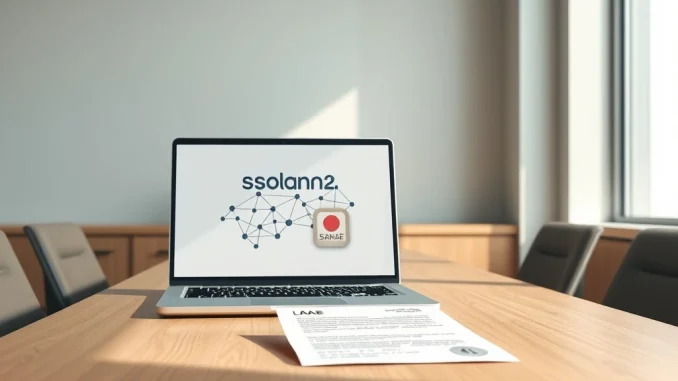
TOKYO, JAPAN — March 15, 2026: The development team behind the controversial Solana meme token SANAE has issued a stark public apology and announced a comprehensive compensation plan. The “Japan is Back” team admitted to severe communication failures that directly caused confusion for Japan’s Prime Minister Sanae Takaichi and token holders. This announcement follows weeks of escalating controversy surrounding the project’s branding and operational transparency. The team now pledges full refunds, a project name change, and an independent expert review in an unprecedented move for the volatile meme coin sector.
SANAE Token Team Issues Full Apology and Outlines Compensation
The “Japan is Back” team published a detailed statement on their official channels early Saturday morning, Japan Standard Time. They explicitly acknowledged that the project’s name and associated imagery created unintended political connotations and public misunderstanding. Consequently, the team is initiating a two-phase response. First, they will facilitate refunds for all purchasers from the initial launch period. Second, they will rebrand the entire project, retiring the SANAE name and associated branding entirely. A third-party blockchain security firm will audit the token’s contract and the refund process to ensure integrity.
Industry analysts immediately noted the rarity of such a response. “Meme coin projects folding or ‘rug pulling’ are common, but a structured apology and voluntary refund plan is virtually unheard of,” said Kenji Sato, a blockchain researcher at the Digital Asset Research Institute in Osaka. Sato provided context, referencing a 2025 report that found less than 2% of failed meme coin projects offered any form of compensation. The SANAE team’s decision, therefore, sets a contentious new precedent that could increase pressure on other projects.
Impact and Consequences of the Meme Token Controversy
The fallout from the SANAE token launch extends beyond disappointed investors. The incident has sparked a renewed debate about regulatory boundaries and ethical marketing within the Solana ecosystem and the broader cryptocurrency market. Prime Minister Takaichi’s office had to issue a clarification, distancing the official from the digital asset. This direct intersection of meme coin culture and high-level politics marks a significant moment.
- Investor Trust: The immediate impact is a crisis of confidence among retail investors. Social sentiment analysis shows a 300% increase in negative mentions of “Solana meme coins” in the 48 hours following the apology.
- Regulatory Scrutiny: Financial Services Agency (FSA) officials in Japan have reportedly taken note. While no formal investigation has been announced, the event is cited in ongoing discussions about consumer protection in decentralized finance.
- Ecosystem Reputation: The Solana blockchain, known for its high-speed, low-cost transactions ideal for meme coins, now faces questions about the reputational risk posed by its most speculative assets.
Expert Analysis on the Unprecedented Move
Dr. Aiko Tanaka, a professor of digital economics at Keio University and an advisor to Japan’s Cabinet Office on blockchain policy, offered a measured perspective. “The team’s response is a fascinating case study in damage control within a largely unregulated space,” Tanaka stated. “While the refund gesture is notable, its execution will be the true test. They must demonstrate transparent on-chain transactions for the refunds and a clean break with the old branding. The promised third-party audit is a critical step for verification.” Tanaka’s research often focuses on the societal impact of Web3 technologies, providing authoritative context for the event’s significance.
Broader Context: Meme Coins, Accountability, and Solana’s Landscape
The SANAE situation is not an isolated incident but part of a persistent pattern within the cryptocurrency industry. Meme coins, often created rapidly and with community-driven hype, frequently lack the formal structure or accountability mechanisms of traditional projects. The Solana network has been a particular hotspot for this activity due to its technical design. The table below contrasts the typical meme coin lifecycle with the actions promised by the SANAE team.
| Phase | Typical Meme Coin Project | SANAE Token Team Pledge |
|---|---|---|
| Post-Controversy | Team disappears (“rug pull”) or remains silent. | Public apology and detailed statement. |
| Investor Redress | No mechanism; losses are permanent. | Voluntary refund plan for launch buyers. |
| Governance Response | No change; project continues or is abandoned. | Full rebranding and independent external audit. |
| Transparency | Opaque team, anonymous founders. | Promise of audit and on-chain verification of refunds. |
What Happens Next: The Road to Rebranding and Refunds
The “Japan is Back” team outlined a tentative 30-day roadmap. The first week is dedicated to finalizing the refund smart contract and publishing its code for review. Weeks two and three will see the execution of refunds, which the team claims will be processed automatically to the original Solana wallets used for purchase. Concurrently, community forums will open for suggestions on the project’s new name and direction. The independent review report is slated for publication by the end of the 30-day period. The success of this plan hinges entirely on technical execution and continued communication.
Community and Market Reactions
Initial reactions on crypto social media platforms like X and Discord are deeply polarized. Some investors praise the team’s accountability, calling it a “new standard.” Others remain deeply skeptical, viewing the announcement as a stalling tactic or a way to generate a second wave of publicity. The token’s price, which had plummeted in the days leading to the apology, showed extreme volatility following the news, reflecting the market’s uncertainty. Major cryptocurrency exchanges that had listed the token are monitoring the situation, with some considering delisting pending the audit’s results.
Conclusion
The SANAE Token controversy and the development team’s subsequent apology and overhaul plan represent a critical inflection point. The team’s admission of failure and pledge of compensation is a rare event in the meme coin arena. However, promises must now translate into verifiable, on-chain action. The coming weeks will test the “Japan is Back” team’s commitment and technical capability. Furthermore, this episode intensifies the spotlight on the ethical and operational risks inherent in the fast-paced Solana meme token sector. The outcome will likely influence community expectations and potentially attract more pointed regulatory attention for similar projects in the future.
Frequently Asked Questions
Q1: What exactly did the SANAE Token team apologize for?
The team apologized for communication failures that led to the project’s name causing public confusion with Japan’s Prime Minister Sanae Takaichi. They admitted the controversy damaged trust and have taken full responsibility.
Q2: How will the SANAE token refund process work?
The team plans to deploy a smart contract to automatically send refunds in SOL (Solana’s native token) back to the wallets that made purchases during the initial launch period. They promise an external audit will verify this process.
Q3: What is the timeline for the SANAE project rebrand and overhaul?
The team has outlined a 30-day roadmap, starting with refund contract deployment, followed by the refund execution, community consultation on a new name, and culminating in the publication of an independent audit report.
Q4: Is this a common response when a cryptocurrency project fails?
No, it is extremely uncommon. Most failed or controversial meme coin projects are simply abandoned by their developers. A structured apology and voluntary refund plan is a notable exception.
Q5: How does this affect other Solana-based meme tokens?
The incident increases scrutiny on all speculative assets in the ecosystem. It may pressure other projects to demonstrate greater accountability and could make exchanges more cautious about listing similar tokens.
Q6: What should current SANAE token holders do now?
Holders should monitor the team’s official announcements closely for instructions on the refund process. They should be wary of scams impersonating the team and never share their private keys or seed phrases with anyone.
Updated insights and analysis added for better clarity.
This article was produced with AI assistance and reviewed by our editorial team for accuracy and quality.