March 16, 2026 — The Render Network (RNDR), a decentralized platform connecting GPU power suppliers with digital rendering projects, continues to see its utility driven by sustained demand for computational resources. Market data from CoinGecko indicates the RNDR token has maintained its position within the top 50 cryptocurrencies by market capitalization throughout early 2026.
Network Fundamentals and Current Utility
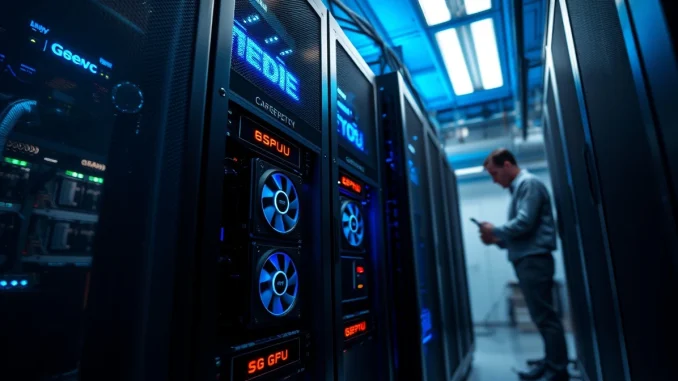
The core value proposition of the Render Network remains its marketplace for GPU rendering power. Artists and studios submit rendering jobs, while node operators contribute idle GPU cycles from their graphics cards to complete the work. This model creates a direct link between the RNDR token’s utility and demand for high-performance computing in creative industries.
On-chain metrics from the network show consistent transaction volume related to job completion and payments. The platform has processed millions of rendering frames since its inception. Network activity often correlates with broader trends in the digital content creation sector, including animation, visual effects, and architectural visualization.
Market Position and Competitive Landscape
Render operates in a competitive sector bridging blockchain technology and cloud computing. Its primary differentiator is a specialized focus on rendering workloads, unlike general-purpose cloud GPU providers. The project’s roadmap, as outlined in its official documentation, has emphasized scaling network capacity and expanding supported software integrations.
Industry analysts note that the network’s growth is tied to several macroeconomic and technological factors. These include the expansion of the metaverse concept, increased production of animated content, and the ongoing demand for AI training and inference, which also utilizes GPU resources. However, the network faces competition from both traditional centralized cloud services and other emerging decentralized compute projects.
Technical Developments and Ecosystem Expansion
Recent technical updates to the Render Network have focused on improving node operator efficiency and job distribution algorithms. The development team has released several protocol upgrades aimed at reducing latency and optimizing resource allocation. These improvements are documented in the project’s public GitHub repositories.
The ecosystem has also seen growth in partnerships with digital content creation tools. Integrations allow artists to send rendering jobs directly from applications like Blender and Cinema 4D to the Render Network. This reduces friction for potential users and embeds the network’s utility within existing creative workflows.
Regulatory Environment and Token Dynamics
Like many utility tokens, RNDR exists within an evolving regulatory framework. The token primarily functions as a medium of exchange within its closed ecosystem, used to pay for rendering services and compensate node operators. Regulatory clarity from bodies like the U.S. Securities and Exchange Commission continues to shape the operational landscape for all digital assets.
The token’s circulating supply and emission schedule are publicly verifiable on blockchain explorers. Network rewards for node operators are algorithmically determined based on job complexity, hardware specifications, and network demand. This creates a dynamic pricing model for rendering power that fluctuates with overall GPU resource availability.
Challenges and Network Risks
The network’s performance is inherently linked to the crypto-economic incentives that ensure a reliable supply of GPU power. Volatility in the price of the RNDR token could theoretically impact node operator participation if compensation becomes unpredictable relative to electricity and hardware costs. The network’s whitepaper and economic models address these stability mechanisms.
Another consideration is technological obsolescence. The rendering industry continually advances, with new software techniques and hardware accelerators emerging regularly. The Render Network must continually adapt its supported renderers and node requirements to remain relevant for professional-grade production work. Its ability to do so will be a key determinant of long-term adoption.
Broader Industry Context
The demand for decentralized computing resources extends beyond rendering. Projects like Akash Network offer generalized cloud compute, while others specialize in storage or bandwidth. Render’s niche focus provides both a targeted use case and a limitation on its total addressable market compared to broader platforms.
Data from industry reports suggests the global GPU cloud computing market has grown steadily. This growth is fueled by sectors requiring intensive parallel processing. Render Network’s specific slice of this market depends on its continued adoption by studios and independent creators who value its decentralized model over traditional cloud render farms.
Moving forward, network metrics to watch include the number of active node operators, total rendering jobs processed per quarter, and the volume of RNDR tokens used for service payments rather than speculative trading. These fundamental indicators provide a clearer picture of organic network utility than price action alone. The project’s success will hinge on its execution against its technical roadmap and its ability to capture market share in a competitive industry.
Updated insights and analysis added for better clarity.
This article was produced with AI assistance and reviewed by our editorial team for accuracy and quality.