The latest U.S. PCE inflation data shows a 0.3% rise in June, adding fuel to the Federal Reserve’s cautious stance on interest rates. For crypto investors, this means heightened volatility as Bitcoin and gold prices react to inflationary pressures.
How PCE Inflation Impacts the Federal Reserve’s Decisions
The Personal Consumption Expenditures (PCE) index, a key inflation gauge, rose 0.3% in June, exceeding expectations. This reinforces the Fed’s decision to keep interest rates steady at 4.25%-4.5%. Here’s why this matters:
- Core PCE (excluding food and energy) hit 2.8% year-over-year, signaling persistent inflation.
- Services inflation remains high at 3.5%, complicating the Fed’s 2% target.
- Weak wage growth (0.1% in June) suggests households are struggling with rising costs.
Bitcoin and Gold Prices React to Inflation Fears
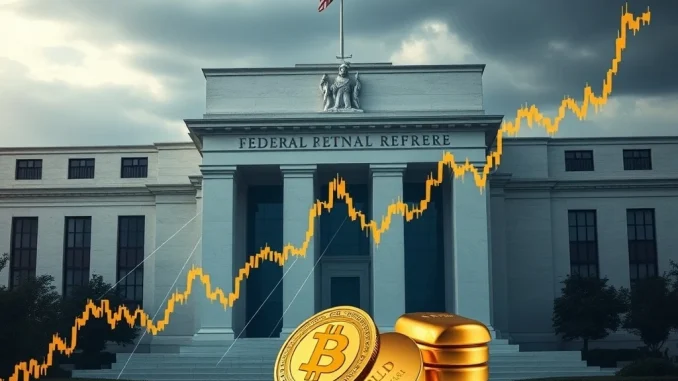
As inflation concerns grow, investors are flocking to safe-haven assets. Gold surged 1% to $3,308.07 per ounce, while Bitcoin saw increased volatility. Key takeaways:
- Gold’s rise reflects market uncertainty ahead of trade negotiations.
- Bitcoin’s correlation with inflation remains debated, but institutional interest grows.
Political Pressure on the Federal Reserve
Former President Trump’s criticism of Fed Chair Jerome Powell highlights the political tension surrounding monetary policy. His claims that the Fed is “TOO LATE” add pressure as inflation persists.
What’s Next for Interest Rates and Crypto?
The Fed’s “wait and see” approach suggests no near-term rate cuts. For crypto traders, this means:
- Continued market volatility as inflation data unfolds.
- Potential long-term Bitcoin upside if inflation remains unchecked.
FAQs
1. What is PCE inflation?
The Personal Consumption Expenditures index measures price changes in consumer goods and services, preferred by the Fed over CPI.
2. How does inflation affect Bitcoin?
Bitcoin is often seen as a hedge against inflation, but its short-term reaction can be volatile.
3. Why did gold prices rise?
Gold is a traditional safe-haven asset during economic uncertainty and inflationary periods.
4. Will the Fed cut rates soon?
Unlikely, as inflation remains above the 2% target and services prices stay elevated.