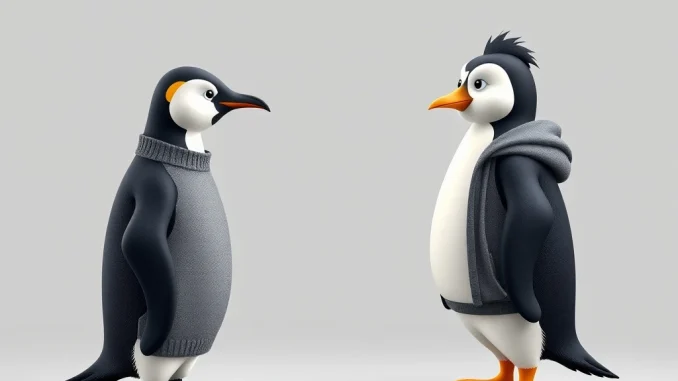
FORT LAUDERDALE, FL — March 19, 2026: A major legal battle has erupted at the intersection of legacy fashion and digital assets. PEI Licensing, the company behind the iconic Original Penguin clothing brand, filed a federal lawsuit Wednesday against the popular Pudgy Penguins NFT project, alleging significant trademark infringement, dilution, and unfair competition. The lawsuit, lodged in the U.S. District Court for the Southern District of Florida, centers on Pudgy Penguins’ expansion into physical apparel, which PEI claims creates “confusingly similar” market confusion with its own 70-year-old brand. This case represents a critical test of how traditional intellectual property law applies to characters and brands born in the Web3 space.
Core Allegations: Decades of History Versus Digital Expansion
PEI Licensing’s complaint presents a detailed historical claim to the “PENGUIN” brand. The company asserts it first used a penguin design on apparel as early as 1956 and has continuously used the “PENGUIN” word mark since at least 1967. According to court documents reviewed, PEI argues this longevity establishes “famous” trademark status, granting it broad protection against similar uses. The lawsuit specifically targets Pudgy Penguins’ line of clothing and merchandise, alleging the NFT company uses a “family of penguin trademarks” that are visually and conceptually too close to PEI’s established marks.
The legal action did not emerge from a vacuum. PEI states it sent a formal cease-and-desist letter to Pudgy Penguins in October 2023. That letter demanded the NFT project stop using the contested marks and abandon its pending applications with the U.S. Patent and Trademark Office (USPTO). According to the filing, PEI claims Pudgy Penguins’ actions “misappropriated valuable property rights” and are “likely to cause confusion or mistake, or to deceive members of the consuming public.” The fashion company is now asking the court for a permanent injunction to block Pudgy Penguins’ trademark registrations and halt the sale of allegedly infringing products.
Potential Impacts and Requested Remedies
The lawsuit seeks substantial remedies that could significantly affect Pudgy Penguins’ business model. Beyond an injunction, PEI requests the court order the destruction of any products found likely to cause consumer confusion. Furthermore, the company asks for an award of all profits Pudgy Penguins earned from sales of the contested apparel—a financial penalty that could reach millions. This case highlights the tangible risks NFT projects face when expanding into physical goods without thorough trademark clearance.
- Brand Confusion Risk: The core legal question is whether consumers might mistakenly associate Pudgy Penguins apparel with the Original Penguin brand, potentially harming the latter’s reputation.
- Financial Exposure: An order to surrender all profits from apparel sales could create a severe financial setback for Pudgy Penguins and set a cautionary precedent for other NFT ventures.
- IP Strategy Rethink: The outcome may force Web3 projects to conduct more rigorous, traditional trademark searches before launching physical product lines, potentially slowing their go-to-market speed.
Pudgy Penguins’ Confident Defense and USPTA Position
In an exclusive statement to news outlets, Jennifer McGlone, Chief Legal Officer for Pudgy Penguins, expressed surprise at the lawsuit. “We were surprised by the action, particularly as both parties had been engaged in productive discussions to resolve this matter privately,” McGlone stated. She emphasized the company’s confidence in its legal position, noting that Pudgy Penguins has already secured multiple trademark application approvals from the USPTO for its brand and related marks. “The trademarks in question are visually distinct and serve entirely different audiences and markets,” McGlone argued, framing the dispute as a clash between separate industries.
Broader Context: NFT Projects and Traditional IP Law
This lawsuit is not an isolated incident but part of a growing trend of friction between established intellectual property holders and the agile, often experimental world of Web3. While many NFT projects treat their characters as community-owned digital art, expanding into physical merchandise triggers traditional trademark and licensing frameworks. The visual comparison table below outlines key distinctions between the two brands as presented in legal and public arguments.
| Brand Aspect | Original Penguin (PEI Licensing) | Pudgy Penguins (NFT Project) |
|---|---|---|
| Primary Market | Traditional Fashion Retail (since 1955) | Digital Collectibles & Web3 Community (launched 2021) |
| Target Audience | Broad consumer base, physical apparel buyers | Cryptocurrency enthusiasts, NFT collectors, younger digital-native demographic |
| Visual Style | Classic, preppy, realistic penguin logo | Cartoonish, chibi-style, rounded and friendly character design |
| Brand Association | Golf wear, casual fashion, legacy retail | Blockchain technology, online community, digital ownership |
What Happens Next: Legal Process and Industry Implications
The case will now proceed through the federal court system, with Pudgy Penguins required to file a formal response to the complaint. Legal experts anticipate a lengthy process potentially involving motions for summary judgment, discovery phases, and possibly a trial. The central legal test will likely be the “likelihood of confusion” standard—whether an ordinary consumer might mistake one brand for the other. Simultaneously, the USPTO may pause its review of Pudgy Penguins’ pending applications pending the court’s outcome.
Community and Industry Reactions
Reaction from the cryptocurrency and NFT community has been swift. The official Pudgy Penguins X account posted a meme shortly after the news broke, juxtaposing its cartoon penguin with Original Penguin’s logo, implying the differences are obvious. Many in the Web3 space view the lawsuit as a form of “trademark bullying” by a legacy player, while intellectual property attorneys note it underscores the importance of comprehensive legal strategy for NFT projects scaling into mainstream commerce. The fashion industry, conversely, is watching closely to see how courts protect longstanding brand equity against new digital entrants.
Conclusion
The Pudgy Penguins trademark lawsuit filed by Original Penguin represents a watershed moment for digital asset projects expanding into physical goods. At stake are fundamental questions about brand boundaries in a converging market. While Pudgy Penguins expresses confidence in its distinct branding and prior USPTO approvals, PEI Licensing is leveraging decades of trademark history. The outcome will not only determine the fate of Pudgy Penguins’ apparel line but will also establish a crucial precedent for how traditional intellectual property law governs the next generation of brand-building from the Web3 world. Observers should monitor court filings in the Southern District of Florida for the defendant’s response and any preliminary rulings on injunctions.
Frequently Asked Questions
Q1: What exactly is Original Penguin accusing Pudgy Penguins of doing?
PEI Licensing, owner of Original Penguin, alleges that Pudgy Penguins’ clothing and merchandise use penguin-related trademarks that are “confusingly similar” to its own, constituting trademark infringement, dilution, and unfair competition under U.S. law.
Q2: What specific outcomes is Original Penguin seeking from the court?
The lawsuit requests a court order to stop Pudgy Penguins from using the contested marks, to block its USPTO applications, to destroy infringing products, and to award PEI all profits from sales of those products.
Q3: How has Pudgy Penguins responded to the allegations?
Pudgy Penguins’ Chief Legal Officer stated the company was surprised by the lawsuit after private discussions, believes the claims lack merit, and is confident it will prevail, citing already-secured USPTO approvals and distinct branding.
Q4: Could this lawsuit affect other NFT projects selling physical goods?
Yes. The case is being closely watched as a precedent-setter. A ruling in favor of the legacy brand could force NFT projects to conduct more extensive traditional trademark clearance before launching physical merchandise.
Q5: What is the key legal test in this trademark infringement case?
The core legal standard is the “likelihood of confusion”—whether an ordinary consumer, seeing Pudgy Penguins apparel, might mistakenly believe it is associated with or endorsed by the Original Penguin brand.
Q6: Where and when was this lawsuit officially filed?
The complaint was filed on March 18, 2026, in the U.S. District Court for the Southern District of Florida, case details for which are available on public court records databases.