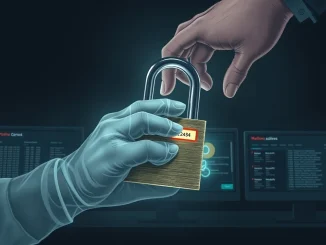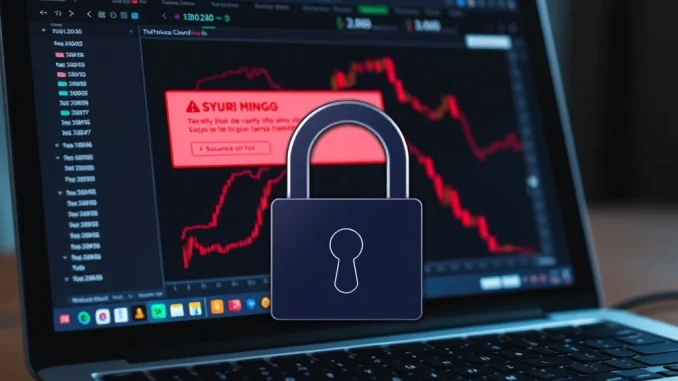
Global, May 2025: The cryptocurrency trading community faces a significant and immediate security threat. Major exchange Bitget has issued a critical warning about malicious plugins distributed through OpenClaw’s ClawHub marketplace. These plugins, masquerading as legitimate trading tools, are designed to install malware that stealthily steals users’ API keys and other sensitive credentials. This incident underscores the persistent vulnerabilities within the decentralized finance (DeFi) ecosystem and highlights the critical need for heightened security vigilance among all digital asset holders.
Malicious OpenClaw Plugins Pose a Direct Threat to Crypto Assets
OpenClaw’s ClawHub operates as a repository for plugins and scripts that automate or enhance trading strategies on various cryptocurrency platforms. The recent discovery involves plugins that have been deliberately compromised or created from the ground up with malicious intent. Unlike typical phishing scams that require user interaction, these plugins execute their payload automatically upon installation. The malware embedded within them is engineered to scrape API keys, secret keys, and passwords directly from a user’s browser storage, application memory, or configuration files. Once exfiltrated, these credentials grant attackers the ability to initiate unauthorized trades, withdraw funds, or manipulate a user’s account, often without triggering immediate alerts.
This attack vector is particularly insidious because it exploits trust in a community-driven platform. Traders seeking an edge by using automation tools may inadvertently download a Trojan horse. The sophistication suggests the work of organized actors targeting the high-value environment of cryptocurrency trading. Historical parallels exist, such as the 2023 incident involving compromised versions of the popular 3Commas trading tool, which led to millions in losses. The OpenClaw breach represents an evolution, targeting a specific niche marketplace to maximize impact on a concentrated group of active traders.
Bitget’s Urgent Security Advisory and User Response Protocol
In response to the threat, Bitget has taken a proactive, public stance to protect its user base and the wider community. The exchange’s security team identified suspicious transaction patterns and anomalous API key usage, tracing the source back to the compromised plugins. Their advisory is unequivocal and outlines a non-negotiable three-step response protocol for any user who has interacted with OpenClaw or ClawHub plugins.
- Immediate Key Revocation: All API keys connected to any exchange or trading service must be revoked immediately through the exchange’s official security settings. This action instantly severs the connection an attacker might be using.
- Comprehensive Password Reset: Users must change passwords for their exchange accounts, email accounts linked to those exchanges, and any other financial service. This step prevents credential stuffing attacks using stolen data.
- Enforcement of Two-Factor Authentication (2FA): Bitget strongly urges enabling 2FA using an authenticator app (like Google Authenticator or Authy) rather than SMS, which is vulnerable to SIM-swapping attacks. This adds a critical, dynamic second layer of security.
Beyond these steps, Bitget recommends a full malware scan of any device used for trading and caution against reinstalling any third-party trading plugins until a comprehensive audit of their source is possible. The exchange has also enhanced its own monitoring systems to flag transactions originating from known malicious IP addresses associated with the key theft.
The Technical Mechanism of API Key Theft and Its Consequences
To understand the severity, one must grasp what API keys enable. In cryptocurrency trading, API (Application Programming Interface) keys allow third-party applications to interact with an exchange account programmatically. They are typically paired: a public key and a private secret key. While permissions can be restricted—for example, to “read-only” or “trade-only” without withdrawal rights—many users grant broad permissions for full trading bot functionality.
The malicious plugins operate by injecting code that runs in the background. This code hunts for these key pairs stored locally. Once found, they are transmitted to a command-and-control server controlled by the attackers. The consequences are severe and multifaceted. At an individual level, victims can face complete asset liquidation. On a market level, attackers executing coordinated, unauthorized sell-offs from multiple accounts can create artificial volatility or “wash trading” to profit from manipulated price movements. The loss of trust in external tools can also stifle innovation and automation in the trading sector, pushing users back to manual, less efficient methods.
Broader Implications for DeFi and Crypto Trading Security
The OpenClaw incident is not an isolated event but a symptom of a broader security challenge in the crypto space. The decentralized and permissionless nature of DeFi and associated tooling is a double-edged sword. It fosters innovation and accessibility but also creates a vast attack surface with often-inadequate gatekeeping. Community marketplaces like ClawHub rely on reputation systems and user reviews, which can be gamed or manipulated by bad actors.
This event will likely accelerate several existing trends. First, exchanges may further restrict API key permissions by default or mandate more granular control for users. Second, there will be increased demand for audited, verifiable, and signed software from reputable developers, potentially giving rise to more formal code audit services for trading tools. Third, it reinforces the security principle of “least privilege”: users and platforms must only grant the minimum access necessary for a tool to function, a practice often overlooked in the pursuit of convenience and performance.
The table below outlines the key differences between this attack and common crypto security threats:
| Threat Vector | Malicious OpenClaw Plugin | Traditional Phishing | Exchange Breach |
|---|---|---|---|
| Primary Method | Compromised software download | Deceptive links/emails | Direct hack of central exchange servers |
| Target | Individual user’s local device & credentials | Individual user’s login credentials | Central database of user data |
| User Action Required | Installation of plugin | Clicking link & entering data | None (victim is the platform) |
| Scope of Damage | Users of the specific plugin | Users who fall for the scam | Potentially all users of the exchange |
| Prevention Focus | Software source verification, system scans | Vigilance, email security | Exchange security infrastructure |
Conclusion
The warning from Bitget regarding malicious OpenClaw plugins serves as a stark reminder of the sophisticated and evolving threats in the cryptocurrency landscape. While the promise of decentralization and automation drives the industry forward, it must be matched with an equally robust culture of security. Immediate action—revoking API keys, changing passwords, and enabling strong 2FA—is the only response for those potentially exposed. For the broader community, this incident highlights the non-negotiable need for due diligence when integrating third-party tools and the importance of exchanges taking a proactive, transparent role in ecosystem security. The security of digital assets ultimately depends on a chain of trust, and every link, from the individual user to the platform provider, must be fortified.
FAQs
Q1: What is ClawHub, and what happened?
ClawHub is a marketplace for trading plugins and scripts, often associated with the OpenClaw toolset. Recently, malicious actors uploaded plugins containing malware designed to steal the API keys and login credentials of cryptocurrency traders who install them.
Q2: I’ve used an OpenClaw plugin. What should I do right now?
Follow Bitget’s urgent protocol: 1) Immediately revoke all API keys you have created on any exchange. 2) Change your passwords for those exchanges and associated email accounts. 3) Ensure Two-Factor Authentication (2FA) is enabled using an authenticator app. Then, run a full antivirus/malware scan on your computer.
Q3: How does malware in a plugin steal my API keys?
The malicious code is hidden within the plugin. When installed and run, it can scan your computer’s memory, browser data, or configuration files where API keys and secrets are sometimes stored. It then sends this data to a server controlled by the attackers.
Q4: Are only Bitget users affected by this threat?
No. While Bitget issued the public warning, the malicious plugins target API keys for any exchange. If you used a compromised plugin and have API keys connected to Binance, Coinbase, Kraken, or any other platform, those keys are also at risk and must be revoked.
Q5: How can I safely use trading bots or plugins in the future?
Exercise extreme caution. Only use tools from well-known, reputable developers with a verifiable track record. Check community forums for independent reviews. Always restrict your API key permissions to the bare minimum required (e.g., disable withdrawal permissions). Never share your secret key, and store it securely.
Updated insights and analysis added for better clarity.
This article was produced with AI assistance and reviewed by our editorial team for accuracy and quality.