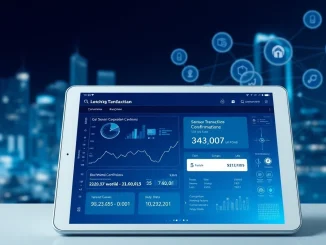
OKX, the global cryptocurrency exchange, launched its groundbreaking Orbit social trading network on March 15, 2026, from its Singapore headquarters. The platform introduces verified performance metrics that merge real-time trading activity with market discussions directly within the OKX app. This development represents a significant advancement in trading transparency, allowing users to share and validate their trading performance through cryptographically verified data. The launch comes during a period of increased regulatory scrutiny around trading platform accountability and user protection measures across major financial jurisdictions.
OKX Orbit Social Trading Network Core Features
OKX Orbit fundamentally changes how traders interact within cryptocurrency markets by integrating social features with verified performance data. The platform displays real-time trading activity alongside market discussions, creating a transparent ecosystem where users can evaluate strategies based on actual results rather than unverified claims. Each trader’s performance metrics undergo verification through OKX’s proprietary validation system, which cryptographically confirms trading data authenticity. This verification process addresses longstanding concerns about inflated performance claims that have plagued social trading platforms since their inception in traditional markets during the early 2010s.
The network launches with support for 50 major cryptocurrency pairs and integrates directly with OKX’s existing trading infrastructure. Users can follow verified traders, replicate strategies through automated tools, and participate in community discussions about market movements. The platform’s architecture separates social features from core trading functions, maintaining security protocols that have earned OKX regulatory approval in multiple jurisdictions. This separation ensures that social interactions cannot compromise the integrity of trading operations or user fund security.
Verified Performance Metrics Implementation
OKX’s verified metrics system represents the most comprehensive approach to trading transparency in the cryptocurrency sector. The platform tracks and validates multiple performance indicators including win rates, risk-adjusted returns, maximum drawdowns, and consistency scores. Each metric receives cryptographic verification that prevents manipulation or false representation. This system addresses what industry analysts have called “the credibility gap” in social trading, where unverified claims often mislead inexperienced participants. The verification process occurs in real-time, with performance data updating continuously as trades execute.
- Transparency Enhancement: Verified metrics eliminate performance exaggeration common in social trading platforms
- Risk Management: Users can assess strategy risk levels through validated drawdown and volatility data
- Educational Value: Beginners can study successful strategies with confidence in data accuracy
Industry Expert Perspectives on Orbit Launch
Dr. Elena Rodriguez, Director of Digital Asset Research at Cambridge Centre for Alternative Finance, provided context about the platform’s significance. “OKX Orbit represents a maturation in cryptocurrency trading infrastructure,” Rodriguez stated in an interview conducted March 14, 2026. “By introducing verified performance metrics, they’re addressing one of the most persistent challenges in retail trading across all asset classes. This could establish new industry standards for transparency.” Rodriguez referenced the centre’s 2025 study showing that 68% of retail cryptocurrency traders expressed concerns about unverified performance claims on existing social platforms.
OKX Chief Product Officer, Michael Chen, explained the development timeline during the launch announcement. “We began developing Orbit’s verification system in early 2024 after identifying transparency as the primary barrier to social trading adoption,” Chen stated. “The system underwent twelve months of internal testing with over 5,000 simulated trading accounts before today’s public release.” Chen emphasized that the platform’s design prioritizes user education alongside social features, with integrated learning resources about risk management and strategy evaluation.
Comparative Analysis With Existing Social Trading Platforms
OKX Orbit enters a competitive landscape dominated by platforms like eToro’s CopyTrading and ZuluTrade, which have operated in traditional markets for over a decade. Unlike these established platforms that primarily serve forex and stock traders, OKX Orbit focuses exclusively on cryptocurrency markets with native blockchain verification capabilities. The platform’s verification system represents a technological advancement over existing methods, which typically rely on self-reported data or basic API connections that can be manipulated. This difference positions Orbit as potentially more trustworthy for performance evaluation.
| Platform | Verification Method | Asset Focus | Launch Year |
|---|---|---|---|
| OKX Orbit | Cryptographic validation | Cryptocurrency | 2026 |
| eToro CopyTrading | API connection | Multi-asset | 2010 |
| ZuluTrade | Broker statements | Forex | 2007 |
| Naga Trader | Social verification | Multi-asset | 2015 |
Regulatory Implications and Future Developments
The Orbit launch occurs during increased regulatory attention on cryptocurrency trading platforms globally. Financial regulators in the European Union, United Kingdom, and Singapore have all announced enhanced oversight frameworks for 2026-2027 that specifically address social trading features. OKX designed Orbit’s verification system to exceed current regulatory requirements in jurisdictions where the exchange operates. The platform includes mandatory risk disclosures, cooling-off periods for new followers, and clear labeling of historical versus projected performance. These features align with guidelines from the Monetary Authority of Singapore, where OKX maintains its international headquarters.
OKX plans to expand Orbit’s features throughout 2026 based on user feedback and regulatory developments. Scheduled updates include advanced analytics tools for strategy comparison, educational content integration, and expanded cryptocurrency pair support. The company has committed to quarterly transparency reports about platform usage and verification system effectiveness. These reports will provide data about typical user outcomes, common strategy characteristics, and verification system accuracy rates.
Initial User Reactions and Platform Adoption
Early access users who tested Orbit during its beta phase reported positive experiences with the verification system. “Seeing actual verified performance data completely changes how I evaluate trading strategies,” stated beta tester David Park, a Singapore-based cryptocurrency trader with three years of experience. “Previously, I had to guess which traders were actually successful versus just posting lucky trades. The verification gives me confidence in whose approach to study.” Park participated in the beta program from November 2025 through February 2026, providing feedback that influenced final interface design decisions.
Industry analysts project that Orbit could attract approximately 500,000 active users within its first year based on OKX’s existing user base of over 20 million registered accounts. The platform’s success may pressure competitors to develop similar verification systems, potentially raising transparency standards across the cryptocurrency trading industry. This competitive dynamic could benefit retail traders through improved information quality and reduced exposure to misleading performance claims.
Conclusion
OKX Orbit represents a significant advancement in social trading transparency through its verified performance metrics system. The platform addresses longstanding credibility issues in social trading by providing cryptographically validated performance data that users can trust. This development comes at a crucial moment for cryptocurrency trading, as regulators increase scrutiny and users demand greater accountability from platforms. The Orbit social trading network establishes new standards for transparency that may influence industry practices beyond OKX’s ecosystem. As the platform evolves throughout 2026, its impact on how traders share strategies and evaluate performance will provide valuable insights about transparency’s role in financial technology adoption.
Frequently Asked Questions
Q1: How does OKX verify trading performance metrics on Orbit?
OKX uses cryptographic validation to verify all performance data directly from trading activity. The system confirms trade execution, timing, and outcomes through blockchain-verified timestamps and exchange records, preventing manipulation of performance statistics.
Q2: What makes Orbit different from existing social trading platforms?
Orbit focuses exclusively on cryptocurrency markets with native verification capabilities that exceed traditional API-based methods. The platform integrates social features directly with verified trading data rather than self-reported performance claims.
Q3: When will OKX expand Orbit to more cryptocurrency pairs?
OKX plans quarterly expansions throughout 2026, with the next update scheduled for June 2026. The platform currently supports 50 major pairs with plans to reach 200 by year-end based on user demand and liquidity considerations.
Q4: Can beginners use Orbit effectively without trading experience?
Yes, Orbit includes educational resources and risk management tools designed specifically for beginners. The platform’s verified metrics help new traders identify successful strategies while understanding associated risks through transparent performance data.
Q5: How does Orbit’s launch affect cryptocurrency trading regulation?
The platform’s verification features align with emerging regulatory frameworks emphasizing transparency and user protection. Orbit may establish precedents for how social trading platforms demonstrate accountability to regulators in multiple jurisdictions.
Q6: What should traders consider before using Orbit’s social features?
Traders should understand that verified past performance doesn’t guarantee future results, diversify their strategy observations across multiple successful traders, and utilize the platform’s risk management tools including position sizing calculators and drawdown alerts.