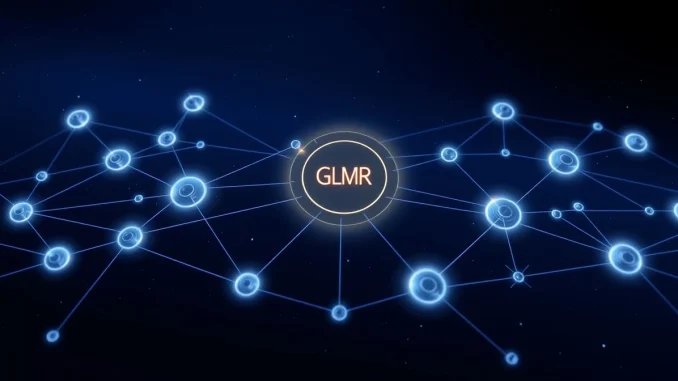
As of March 2026, Moonbeam (GLMR) continues to operate as a prominent smart contract parachain on the Polkadot network, facilitating Ethereum-compatible decentralized applications while sparking ongoing discussion about its current market valuation relative to technical fundamentals.
Moonbeam GLMR Current Market Position and Technical Analysis
The Moonbeam network launched in January 2022 as a fully Ethereum-compatible parachain on Polkadot. This compatibility allows developers to deploy existing Solidity smart contracts with minimal modifications. Consequently, the GLMR token serves multiple functions including governance, transaction fees, and staking within the ecosystem. Market data from March 2026 shows GLMR trading within established ranges that reflect broader cryptocurrency market conditions.
Technical analysis reveals several key metrics for evaluation. Network activity, measured by daily transactions and unique addresses, provides fundamental insight into adoption rates. Additionally, the total value locked (TVL) in Moonbeam’s decentralized finance protocols offers concrete data about ecosystem utilization. These metrics collectively inform assessments of whether current pricing aligns with network utility.
Polkadot Ecosystem Context and Comparative Analysis
Moonbeam operates within the broader Polkadot multichain architecture, competing with other parachains for developer attention and user adoption. The Polkadot relay chain’s shared security model provides inherent advantages, but also creates specific economic dynamics for parachain tokens like GLMR. Comparative analysis with other major smart contract platforms reveals Moonbeam’s unique positioning between Ethereum’s established ecosystem and Polkadot’s interoperability framework.
Fundamental Valuation Metrics and Network Data
Several quantitative factors contribute to cryptocurrency valuation assessments. Network revenue, generated from transaction fees, represents one concrete metric. Developer activity, measured by GitHub commits and new contract deployments, indicates ecosystem health. Furthermore, partnership announcements with established blockchain projects provide real-world validation. These elements combine to form a multidimensional view of GLMR’s fundamental value proposition as of early 2026.
The following table summarizes key Moonbeam network metrics based on available March 2026 data:
| Metric | Current Status | Significance |
|---|---|---|
| Daily Transactions | Consistent range | Measures network utilization |
| Active Addresses | Growing gradually | Indicates user adoption |
| Total Value Locked | Stable with fluctuations | Reflects DeFi engagement |
| Developer Activity | Regular updates | Shows ecosystem development |
Market Dynamics and Competitive Landscape
The broader cryptocurrency market significantly influences individual asset valuations. In March 2026, several factors affect GLMR’s market position. Regulatory developments regarding smart contract platforms create evolving compliance requirements. Meanwhile, technological advancements in competing layer-1 and layer-2 solutions present both challenges and opportunities. Market sentiment, often measured through social metrics and trading volumes, provides additional context for price movements.
Moonbeam faces competition from multiple directions. Other Polkadot parachains with similar functionality create intra-ecosystem competition. Additionally, alternative Ethereum-compatible chains and emerging blockchain architectures compete for the same developer mindshare. These competitive pressures necessarily influence GLMR’s market valuation through supply-demand dynamics and investor perception.
Technical Development and Roadmap Progress
The Moonbeam development team has consistently released protocol upgrades since the network’s launch. Recent technical improvements focus on enhancing cross-chain interoperability and reducing transaction costs. The implementation of Polkadot’s asynchronous backing upgrade has notably improved block production efficiency. Furthermore, ongoing work on governance mechanisms demonstrates the project’s commitment to decentralized decision-making.
Key technical developments include:
- Cross-chain integration with major blockchain networks
- Gas fee optimization for improved user experience
- Governance enhancements increasing community participation
- Developer tool improvements for easier dApp creation
Risk Factors and Market Considerations
All cryptocurrency investments involve inherent risks that investors must consider carefully. For Moonbeam and GLMR, specific risk factors include Polkadot ecosystem dependencies and smart contract security considerations. Market volatility remains a persistent characteristic of cryptocurrency assets, with prices subject to rapid changes based on numerous factors. Additionally, regulatory uncertainty continues to affect the entire blockchain sector, potentially impacting projects like Moonbeam.
Technical risks also warrant examination. As a relatively young network compared to established platforms, Moonbeam continues to prove its long-term reliability and security. The complexity of cross-chain interactions introduces additional technical considerations that require ongoing monitoring. These factors collectively contribute to comprehensive risk assessment for GLMR token evaluation.
Conclusion
Moonbeam GLMR represents a technically sophisticated implementation of Ethereum compatibility within the Polkadot ecosystem. As of March 2026, its valuation reflects both network fundamentals and broader market conditions. The project’s success depends on continued developer adoption, user growth, and effective navigation of competitive pressures. While future price movements remain uncertain, Moonbeam’s technical architecture and ecosystem positioning provide concrete factors for evaluation. Investors should consider both the network’s unique value proposition and the inherent risks of cryptocurrency markets when assessing GLMR’s current and potential future valuation.
FAQs
Q1: What is Moonbeam’s primary function within the Polkadot ecosystem?
Moonbeam serves as an Ethereum-compatible smart contract parachain on Polkadot, allowing developers to deploy existing Ethereum dApps with minimal modifications while benefiting from Polkadot’s shared security and interoperability.
Q2: How does GLMR token utility compare to other smart contract platform tokens?
GLMR functions similarly to other platform tokens, covering transaction fees, enabling staking for network security, and facilitating governance decisions, but with specific integration into Polkadot’s parachain economics.
Q3: What metrics are most important for evaluating Moonbeam’s fundamental value?
Key metrics include daily transaction volume, total value locked in DeFi protocols, active developer count, GitHub commit frequency, and cross-chain integration progress, all of which indicate network adoption and utility.
Q4: How does Polkadot’s architecture affect GLMR’s value proposition?
Polkadot’s shared security model reduces individual parachain security costs while enabling cross-chain communication, potentially increasing Moonbeam’s utility compared to isolated blockchain networks.
Q5: What are the main competitive challenges facing Moonbeam in 2026?
Moonbeam competes with other Ethereum-compatible chains, alternative Polkadot parachains, and emerging blockchain architectures, requiring continuous technical improvement and ecosystem development to maintain relevance.
Updated insights and analysis added for better clarity.
This article was produced with AI assistance and reviewed by our editorial team for accuracy and quality.