January 15, 2026 — Taipei, Taiwan — Semiconductor giant MediaTek has urgently patched a critical security vulnerability in its smartphone chipsets that allowed attackers to steal cryptocurrency wallet seed phrases from affected Android devices in just 45 seconds. The flaw, discovered by Ledger’s elite white-hat security team Donjon, exploited weaknesses in MediaTek’s secure boot chain and affected devices using both MediaTek processors and the Trustonic Trusted Execution Environment (TEE). MediaTek released the security patch on January 5, 2026, following responsible disclosure, but millions of users who haven’t updated remain vulnerable to this hardware-level crypto seed theft attack.
MediaTek Secure Boot Chain Vulnerability Details
Ledger’s Donjon team identified the flaw within MediaTek’s secure boot implementation, a fundamental security mechanism designed to ensure devices only start with authorized, verified software. According to their technical analysis, the vulnerability allowed physical attackers with USB cable access to bypass multiple security layers without even booting the Android operating system. Charles Guillemet, Ledger’s Chief Technology Officer, explained to Cointelegraph that the exploit automatically recovered device PINs, decrypted storage, and extracted seed phrases from popular software wallets including Trust Wallet, Base, Kraken Wallet, Rabby, Tangem’s Mobile Wallet, and Phantom.
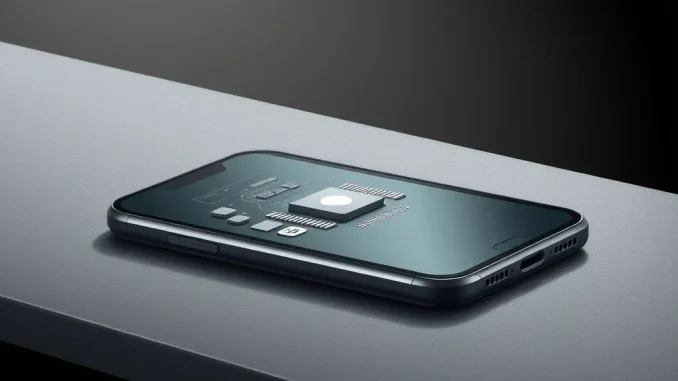
The security team demonstrated the attack’s alarming efficiency using a Nothing CMF Phone 1 connected to a standard laptop. Within approximately 45 seconds, they gained what Guillemet described as “full and absolute control over the smartphone, with no security barrier left standing.” This demonstration specifically targeted the MediaTek Dimensity 7300 (MT6878) chipset, though the vulnerability affected multiple MediaTek models. The rapid compromise highlights fundamental architectural differences between general-purpose mobile chips and dedicated security hardware.
Massive User Impact and Immediate Risks
Approximately 25% of Android smartphones globally combine MediaTek processors with the Trustonic TEE, creating a substantial attack surface. With nearly 36 million people managing digital assets on mobile devices as of early 2025, even a single hardware vulnerability threatens significant financial exposure. The attack requires physical access, positioning it as a targeted threat rather than a mass remote exploit, but its implications for device theft scenarios are severe.
- Direct Financial Risk: Attackers extracting seed phrases gain permanent control over associated cryptocurrency assets, enabling immediate and irreversible transfers.
- Broader Data Exposure: Beyond cryptocurrency keys, the vulnerability potentially exposes all encrypted device data, including personal communications, authentication tokens, and financial applications.
- Supply Chain Concerns: The flaw existed at the chip manufacturing level, raising questions about security validation processes for hardware used in billions of devices.
Ledger’s Security Assessment and Expert Commentary
Ledger’s researchers emphasized that this discovery illustrates why smartphones remain inherently vulnerable for securing high-value cryptographic keys. “Smartphones aren’t built for security,” Guillemet stated in a recent social media post. “Even when powered off, user data – including pins & seeds – can be extracted in under a minute.” He contrasted general-purpose chips, optimized for convenience and performance, with Secure Elements specifically engineered for key protection through physical isolation.
External security experts corroborate this assessment. Dr. Sarah Chen, hardware security researcher at Stanford’s Center for Blockchain Research, notes that “TEE implementations have historically suffered from implementation flaws across vendors. While theoretically sound, their complexity creates attack surfaces that dedicated secure elements avoid through simplicity and isolation.” MediaTek has not released detailed technical documentation about the specific vulnerability, following standard coordinated disclosure practices to prevent copycat attacks before widespread patching.
Historical Context of Mobile Hardware Vulnerabilities
The MediaTek incident follows a pattern of hardware-level vulnerabilities affecting mobile security. Unlike software bugs that can be patched quickly via app updates, chip-level flaws require manufacturer firmware updates and carrier distribution, creating lengthy exposure windows. This vulnerability shares characteristics with previous TEE exploits across different chip manufacturers, suggesting systemic challenges in secure hardware design for mass-market consumer devices.
| Vulnerability | Chip Manufacturer | Discovery Year | Primary Impact |
|---|---|---|---|
| Secure Boot Bypass | MediaTek | 2026 | Crypto seed extraction |
| TrustZone Privilege Escalation | Qualcomm | 2023 | DRM circumvention |
| BootROM Exploit | Apple | 2020 | Permanent jailbreak |
Patch Deployment and User Action Requirements
MediaTek distributed the security patch to device manufacturers in early January 2026, but actual deployment to end-users depends on individual phone makers and cellular carriers. This fragmented Android update ecosystem means many vulnerable devices may remain unpatched for months. Ledger recommends all Android users, particularly those managing cryptocurrency, immediately check for and install the latest security updates. Users should verify their device’s security patch level is dated January 2026 or later.
For high-value cryptocurrency holdings, security experts universally recommend hardware wallets over mobile software wallets. “This research validates the architectural security premise of dedicated hardware wallets,” explains Felix Ng, security editor at Cointelegraph. “While convenient, mobile wallets inherently trust the device’s security stack, which this vulnerability proves can be fundamentally compromised.” The incident has accelerated discussions about standardized security certifications for cryptocurrency-related hardware across the industry.
Industry and Community Response Patterns
Wallet developers affected by the vulnerability have begun notifying users through security advisories, though most emphasize that the flaw exists at the hardware level, beyond their direct control. The broader cryptocurrency community response has highlighted renewed interest in open-source hardware security validation and transparent supply chains. Some decentralized autonomous organizations (DAOs) have proposed funding independent security audits for commonly used mobile components, recognizing that consumer device security directly impacts decentralized finance adoption.
Conclusion
The MediaTek secure boot vulnerability represents a significant hardware security event with direct implications for cryptocurrency storage on mobile devices. While promptly patched following responsible disclosure, its existence underscores fundamental tensions between consumer convenience and cryptographic security. For the approximately 25% of Android users with affected devices, immediate updating is essential. For the cryptocurrency industry, this incident reinforces the necessity of dedicated security hardware for substantial asset protection, even as mobile adoption continues accelerating. Future developments will likely include increased scrutiny of TEE implementations across all chip manufacturers and potentially new security standards for blockchain-enabled devices.
Frequently Asked Questions
Q1: Which specific MediaTek chipsets are affected by this vulnerability?
The vulnerability affects multiple MediaTek chipsets, with confirmed testing on the Dimensity 7300 (MT6878). MediaTek has not released a complete list, but any device using MediaTek processors with Trustonic TEE should be considered potentially vulnerable until patched.
Q2: How can I check if my Android device has received the January 2026 security patch?
Navigate to Settings > Security > Security Update on your Android device. The patch level should display “January 5, 2026” or later. If it shows an earlier date, manually check for updates repeatedly, as carrier rollouts can be staggered.
Q3: Does this vulnerability affect iPhones or other non-Android devices?
No, this specific vulnerability is limited to Android devices using MediaTek chipsets with Trustonic TEE. However, the underlying security concern about general-purpose mobile processors applies broadly across all smartphone platforms.
Q4: If I use a software wallet on my phone, should I move my cryptocurrency immediately?
If your device is unpatched and contains significant cryptocurrency value, transferring assets to a hardware wallet or temporarily to an exchange while updating is prudent. For patched devices with the January 2026 update, the specific vulnerability is addressed.
Q5: Why does this vulnerability require physical access to the device?
The exploit targets the secure boot chain during device initialization, requiring direct connection via USB to interrupt normal startup processes. This makes it a targeted attack rather than a remotely exploitable vulnerability.
Q6: What long-term implications does this have for mobile cryptocurrency adoption?
This event will likely accelerate development of certified secure mobile hardware modules and increase user education about mobile wallet risks. It reinforces that convenience-oriented devices require complementary security strategies for substantial asset protection.