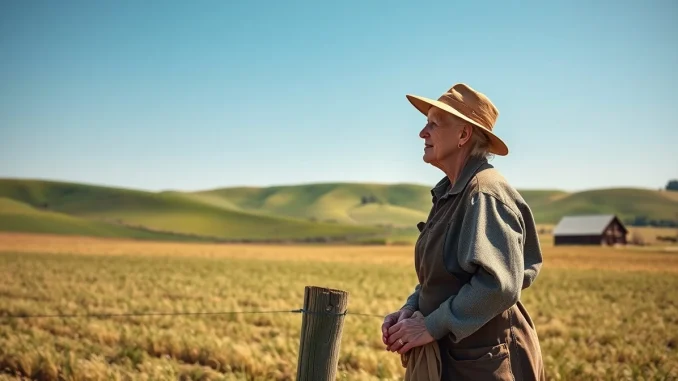
MAYSVILLE, Kentucky — In a decision highlighting the growing tension between technological expansion and agricultural preservation, 82-year-old Ida Huddleston and her family have rejected a $26 million offer from a major artificial intelligence company seeking to purchase part of their 1,200-acre farm for a data center. This standoff in Northern Kentucky represents a microcosm of a national debate over land use, water resources, and the true cost of America’s digital infrastructure boom.
The $26 Million Decision to Preserve Kentucky Farmland
For multiple generations, the Huddleston family has maintained their agricultural operation in Mason County, Kentucky. Last year, according to a report from WKRC-TV, they received a substantial purchase offer from an unnamed AI corporation. The company proposed acquiring a portion of their property to construct a facility housing the powerful computing infrastructure required for artificial intelligence operations. Despite the life-changing financial incentive, the family unanimously declined.
“They call us old stupid farmers, you know, but we’re not,” Huddleston told Local 12 WKRC in a recent interview. “We know whenever our food is disappearing, our lands are disappearing, and we don’t have any water — and that poison.” Her statement references documented concerns about water consumption and potential environmental contamination associated with large-scale data center operations elsewhere in the country.
National Context of Data Center Expansion
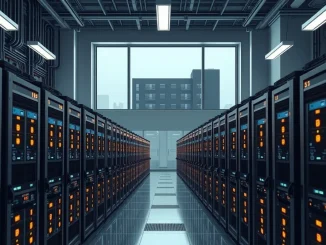
The Huddleston family’s situation is not isolated. The demand for data processing capacity, particularly for AI model training and cloud computing, has triggered a nationwide scramble for suitable land. Data centers require massive amounts of electricity and water for cooling, making affordable land near power and water infrastructure highly valuable. This demand often brings technology firms into direct competition with agricultural and residential land uses.
Industry analysts note that data center development has accelerated dramatically since 2023. Companies are seeking locations with reliable power grids, favorable tax incentives, and proximity to fiber optic networks. Rural areas, with more available space and sometimes lower costs, have become prime targets. However, this expansion frequently encounters resistance from established communities concerned about environmental strain, aesthetic changes, and economic displacement.
Environmental and Resource Concerns
Huddleston’s reference to “poison” and water shortages connects to verified reports from other regions. For instance, data center clusters in Virginia and Arizona have faced scrutiny for their substantial water withdrawals, especially during drought conditions. Cooling systems for servers can consume millions of gallons daily. Furthermore, the construction and operation of these facilities can impact local ecosystems through land clearing, increased runoff, and heightened energy demand often met by fossil fuels.
Agricultural experts emphasize that prime farmland is a finite resource. The American Farmland Trust consistently reports that the United States loses agricultural land to development at a rate of approximately 2,000 acres per day. Once converted to industrial use, this land rarely returns to food production, creating long-term implications for food security and local economies.
Economic Promises Versus Rural Realities
In her interview, Huddleston expressed skepticism about the promised economic benefits. “I doubted the data center would bring jobs or economic growth to Mason County,” she stated. “It’s a scam.” This sentiment reflects a common critique of large-scale industrial projects in rural areas. While developers often promote job creation, many data center operations are highly automated, requiring a relatively small number of high-skill technicians rather than creating broad local employment.
Furthermore, the property tax incentives frequently offered to attract such developments can limit their immediate fiscal benefit to counties and school districts. The long-term economic impact on a community can be complex, potentially raising property values and costs of living while not proportionally increasing local wage opportunities.
The Ongoing Zoning Battle in Northern Kentucky
Despite the Huddleston rejection, the AI company has not abandoned its plans for the area. According to the WKRC report, the firm revised its proposal and filed a zoning request to rezone over 2,000 acres in Northern Kentucky. This move suggests the company may attempt to build its data center on adjacent land, potentially placing the industrial facility directly next to the Huddleston farm’s borders.
This scenario sets the stage for a classic land-use conflict. Zoning hearings in Mason County will likely involve debates over property rights, economic development, environmental protection, and community character. The outcome could establish a precedent for how rural Kentucky manages the pressures of 21st-century technological infrastructure.
The Value of Agricultural Stewardship
The decision to refuse $26 million underscores a valuation system beyond immediate financial gain. For multigenerational farm families, land represents heritage, identity, and a commitment to stewardship. The economic output of farmland includes not just crops or livestock, but also ecosystem services like water filtration, soil conservation, and wildlife habitat. These non-market values are rarely factored into corporate purchase offers.
Agricultural economists note that farmland also provides stability. Unlike technology sectors that can experience boom-and-bust cycles, agricultural land, when managed sustainably, offers long-term productivity. The Huddleston family’s choice prioritizes this enduring legacy over a one-time financial windfall.
Conclusion
The standoff in Maysville, Kentucky, between Ida Huddleston’s family farm and a $26 million data center offer encapsulates a critical national conversation. It forces a examination of what communities value, how they define progress, and who bears the costs of technological advancement. As AI and cloud computing continue to drive demand for physical infrastructure, conflicts between data center developers and agricultural landowners are likely to intensify. The Huddleston family’s defiant rejection serves as a powerful reminder that some values, rooted in land, legacy, and local ecology, remain steadfastly non-negotiable for many Americans.
FAQs
Q1: Why do data centers need so much land and water?
Data centers house thousands of servers that generate immense heat. They require significant space for buildings and infrastructure, and vast amounts of water for cooling systems to prevent overheating. A large facility can use millions of gallons of water per day, comparable to the consumption of a small city.
Q2: What are the main environmental concerns with data centers?
Primary concerns include excessive water usage, especially in drought-prone areas; high energy consumption, which often relies on carbon-intensive power sources; land use change that destroys habitats; and heat pollution from cooling systems released into the environment.
Q3: Do data centers bring significant economic benefits to rural communities?
The benefits are mixed. While they generate property tax revenue and some construction jobs, permanent operations jobs are often limited in number and require specialized skills not always present in rural workforces. The influx of development can also increase local costs of living without broadly raising incomes.
Q4: What happens to farmland once it’s converted to a data center?
The conversion is typically permanent. The construction involves leveling land, pouring large concrete slabs, and installing underground utilities. This process destroys the soil structure and agricultural viability, making it virtually impossible to return the land to food production in the future.
Q5: How common are these types of land-use conflicts?
They are becoming increasingly common across the United States, particularly in the Midwest, Southwest, and rural South. As demand for AI and cloud computing infrastructure grows, technology firms are expanding beyond traditional hubs into areas with cheaper land and available power, frequently coming into conflict with agricultural and residential land uses.
Updated insights and analysis added for better clarity.
This article was produced with AI assistance and reviewed by our editorial team for accuracy and quality.