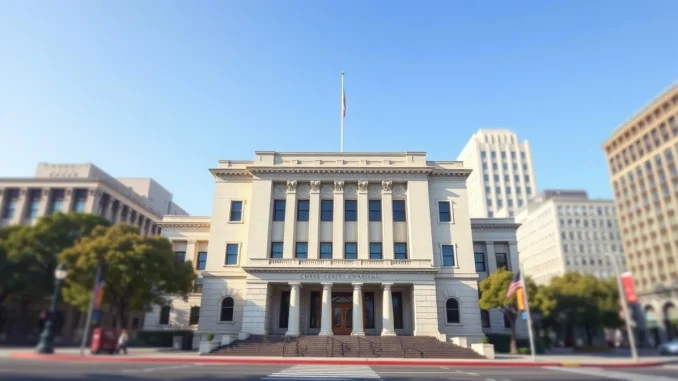
A federal appeals court has delivered a significant setback to prediction market platform Kalshi, clearing the way for Nevada authorities to immediately enforce a ban on its sports-related contracts. The Ninth Circuit Court of Appeals denied Kalshi’s emergency motion on March 19, 2026, sending the case back to federal court and allowing Nevada regulators to proceed with enforcement actions that could force the platform to exit the state within days.
Appeals Court Rejects Kalshi’s Emergency Request
The Ninth Circuit Court of Appeals issued its decisive ruling against Kalshi’s prediction market platform. This decision specifically denied the company’s emergency request to stay lower court proceedings. Consequently, the case now returns to federal court for further litigation. Meanwhile, Nevada’s Gaming Control Board gains immediate authority to enforce its temporary restraining order.
Legal experts quickly analyzed the ruling’s implications. Gaming attorney Daniel Wallach explained the practical consequences. “Since a TRO is not appealable under Nevada law,” Wallach noted, “Kalshi would be required to exit the state in the interim.” The platform faces at least 14 days of operational suspension pending a preliminary injunction hearing.
Nevada’s Regulatory Crackdown on Prediction Markets
Nevada regulators initiated this confrontation in March 2026. The state’s Gaming Control Board issued a cease-and-desist order against Kalshi. Officials argued the platform’s sports event contracts constitute unlicensed sports betting under Nevada law. This interpretation challenges Kalshi’s fundamental business model.
The company maintains a different legal position. Kalshi argues its contracts fall under exclusive federal jurisdiction. Specifically, the Commodity Futures Trading Commission oversees these financial instruments. Any state-level block, Kalshi contends, would cause “imminent harm” to its operations and customers.
Broader Industry Implications and Legal Precedents
This case represents a pivotal moment for prediction markets nationwide. Platforms like Polymarket and Crypto.com face similar regulatory challenges. Multiple states including Connecticut, New York, and New Jersey have pursued parallel actions. The legal outcomes could establish crucial precedents for the entire industry.
Prediction markets have experienced remarkable growth recently. According to Dune Analytics, weekly trading volumes now consistently exceed $2 billion across major platforms. This expansion has attracted increased regulatory scrutiny. Lawmakers express particular concern about potential insider trading and market manipulation risks.
Jurisdictional Conflict and Legal Strategy
Kalshi’s legal team raised significant jurisdictional concerns in earlier filings. In a March 13, 2026 motion, they warned about potential “conflicting rulings.” The company argued that allowing Nevada to proceed while federal litigation continues creates substantial legal risks. Different courts might reach “exactly the opposite conclusion” regarding federal preemption of state gambling laws.
This conflict highlights a fundamental tension in U.S. regulatory systems. Federal commodities law potentially clashes with state gambling regulations. Kalshi suggested such conflicts could “create jurisdictional chaos” for prediction markets operating across state lines.
Historical Context of Prediction Market Regulation
Prediction markets operate within a complex historical framework. Traditional financial derivatives and gambling regulations intersect uncomfortably. The Commodity Futures Trading Commission has historically regulated event contracts. However, states maintain strong authority over gambling activities within their borders.
Several previous cases illustrate this regulatory tension. The 2006 Unlawful Internet Gambling Enforcement Act created additional complications. More recently, the 2022 CFTC enforcement action against Polymarket demonstrated regulatory attention. Each case contributes to the evolving legal landscape Kalshi now navigates.
Market Response and Competitive Landscape
The prediction market industry features several key players:
- Kalshi: Focuses on event contracts across politics, sports, and economics
- Polymarket: Operates primarily with cryptocurrency integration
- Platforms like PredictIt: Have faced similar regulatory challenges
- Traditional sportsbooks: Compete in overlapping markets with different regulatory status
Market analysts observe varying regulatory approaches across jurisdictions. Some states pursue aggressive enforcement while others adopt wait-and-see positions. This patchwork creates operational challenges for nationwide platforms. Companies must navigate inconsistent requirements and enforcement priorities.
Legal Arguments and Constitutional Considerations
Kalshi’s defense relies heavily on constitutional arguments. The Commerce Clause potentially limits state interference with interstate markets. Additionally, federal preemption doctrine suggests federal regulations should supersede conflicting state laws. These arguments will receive thorough examination in upcoming proceedings.
Nevada counters with compelling state interests. The state maintains robust authority to regulate gambling within its borders. Protecting consumers from unlicensed operations represents a legitimate government interest. Preventing potential money laundering and fraud provides additional justification for regulatory action.
Expert Analysis of Regulatory Approaches
Financial regulation experts identify several possible outcomes. Some suggest federal legislation might eventually clarify prediction market status. Others anticipate continued state-by-state litigation. A Supreme Court review remains possible if circuit courts issue conflicting rulings.
The timing of regulatory actions appears significant. Prediction markets gained substantial traction before comprehensive regulations developed. This sequence creates challenges for both regulators and operators. Retroactive application of new interpretations creates particular difficulties for established platforms.
Conclusion
The Ninth Circuit’s decision represents a critical development in the ongoing legal battle over prediction markets. Kalshi’s Nevada ban now moves toward enforcement, potentially establishing important precedents for similar platforms nationwide. This case highlights fundamental tensions between federal financial regulation and state gambling authorities. The ultimate resolution will significantly impact how prediction markets operate across the United States, affecting platforms, traders, and regulatory approaches for years to come.
FAQs
Q1: What exactly did the Ninth Circuit Court decide regarding Kalshi?
The Ninth Circuit Court of Appeals denied Kalshi’s emergency motion to stay lower court proceedings. This decision allows Nevada authorities to immediately enforce a temporary restraining order against Kalshi’s sports event contracts.
Q2: Why does Nevada consider Kalshi’s contracts illegal?
Nevada’s Gaming Control Board argues that Kalshi’s sports event contracts constitute unlicensed sports betting under state law. The state maintains these contracts should be regulated as gambling rather than financial instruments.
Q3: What legal argument does Kalshi present in its defense?
Kalshi contends its event contracts fall under exclusive federal jurisdiction of the Commodity Futures Trading Commission. The company argues federal commodities law preempts state gambling regulations for these financial instruments.
Q4: How long might Kalshi be unable to operate in Nevada?
Legal experts indicate Kalshi could face at least 14 days of operational suspension pending a preliminary injunction hearing. The exact duration depends on court scheduling and subsequent legal decisions.
Q5: Are other prediction markets facing similar regulatory challenges?
Yes, platforms including Polymarket, Crypto.com, and others face regulatory scrutiny in multiple states. Connecticut, New York, and New Jersey have pursued similar actions against prediction market operators.
Updated insights and analysis added for better clarity.
This article was produced with AI assistance and reviewed by our editorial team for accuracy and quality.