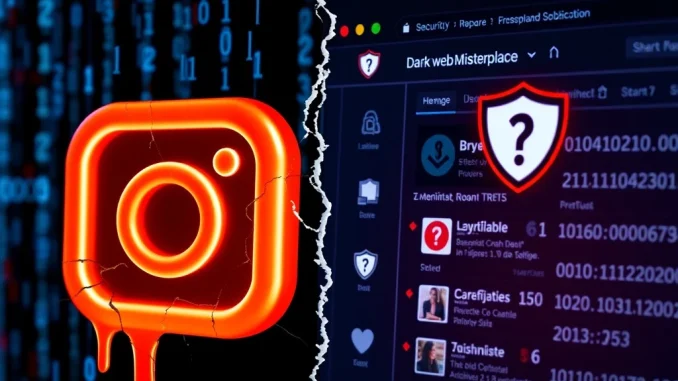
January 2025 – Conflicting cybersecurity reports have created widespread confusion among Instagram’s billions of users after a security firm claimed millions of user records appeared for sale online while Meta, Instagram’s parent company, firmly denied any data breach occurred. This incident marks the latest in a series of data security concerns facing social media platforms, highlighting the ongoing tension between corporate transparency and user protection in the digital age.
Instagram Data Leak Claims Versus Meta’s Official Denial
Cybersecurity firm Malwarebytes reported discovering approximately 17.5 million Instagram user records available for purchase on underground dark web marketplaces. According to their investigation, the exposed data potentially includes usernames, email addresses, phone numbers, and in some cases, physical addresses. The security researchers suggested this information might connect to an API exposure that occurred during 2024, though they emphasized their findings required further verification.
Simultaneously, numerous Instagram users began reporting unexpected waves of password reset emails they never requested. Social media platforms quickly filled with concerned posts from individuals questioning whether their accounts faced targeting by malicious actors. This user-reported phenomenon created immediate pressure for corporate clarification.
Meta responded with a definitive statement rejecting breach claims. Company representatives explained that a technical issue temporarily allowed external parties to trigger password reset notifications for some accounts. They emphasized their security systems remained uncompromised throughout this incident. Meta’s communications team stated they resolved the technical flaw promptly and advised users to disregard the unsolicited reset emails.
Cybersecurity Experts Analyze Conflicting Narratives
Security professionals note that such contradictory accounts create significant challenges for users attempting to assess their actual risk exposure. According to industry analysts, several possible scenarios could explain the discrepancy between external security reports and internal corporate assessments.
First, data scraping through legitimate but misused APIs represents a common method for obtaining user information without technically breaching platform defenses. Second, credential stuffing attacks using previously leaked passwords from other services might generate password reset requests. Third, sophisticated social engineering campaigns could create the appearance of targeted attacks without direct system compromise.
Cybersecurity researcher Dr. Elena Martinez commented, “The fundamental issue here involves definitional differences. Companies often define ‘breach’ as unauthorized access to their protected systems, while security firms consider any unauthorized collection of user data as a compromise. This terminology gap frequently creates public confusion during security incidents.”
Historical Context of Instagram Data Incidents
This event follows previous data security concerns involving Instagram. In November 2024, reports surfaced claiming nearly 489 million user records appeared on dark web platforms, though Meta similarly disputed those allegations. The recurring pattern of external claims followed by corporate denials has established what security experts call “the transparency paradox” – where companies must balance disclosure obligations with potential reputational damage.
The table below illustrates recent data security incidents involving major social platforms:
| Platform | Date | Reported Scale | Company Response |
|---|---|---|---|
| January 2025 | 17.5 million records | Denied breach, cited technical issue | |
| November 2024 | 489 million records | Disputed claims, no breach confirmed | |
| April 2023 | 533 million users | Acknowledged scraping, not hacking | |
| July 2022 | 5.4 million accounts | Confirmed vulnerability exploitation |
Practical Risks From Exposed User Information
Security experts universally emphasize that exposed personal data creates tangible risks regardless of breach confirmation status. Even without direct account access, cybercriminals can leverage leaked information for various malicious activities. The primary threats include:
- Targeted phishing campaigns using authentic personal details to increase credibility
- Credential stuffing attacks across multiple platforms where users might reuse passwords
- Identity theft operations combining data from multiple sources
- Social engineering schemes targeting users’ contacts and followers
- Financial fraud attempts using compiled personal profiles
According to cybersecurity firm reports, the dark web marketplace listings allegedly included sufficient information to enable convincing impersonation attempts. Security professionals note that repeated password reset emails often serve as reconnaissance by attackers testing which accounts remain active and potentially vulnerable.
User Protection Strategies and Security Recommendations
Digital security experts recommend specific protective measures for Instagram users concerned about potential data exposure. These proactive steps can significantly reduce risk even without confirmed breach details.
First, enabling two-factor authentication provides essential additional security beyond passwords. Instagram supports multiple 2FA methods including authentication apps, text messages, and backup codes. Security professionals particularly recommend using authentication applications rather than SMS-based verification when possible.
Second, creating unique, complex passwords for each online account prevents credential stuffing attacks. Password managers can generate and store these credentials securely. Users should especially update passwords reused across multiple services.
Third, maintaining heightened awareness of suspicious communications proves crucial. Security experts advise treating unexpected messages with skepticism, particularly those requesting personal information or urgent action. Users should never share verification codes or click unfamiliar links in unsolicited messages.
Regulatory and Industry Implications
This incident occurs amid increasing regulatory scrutiny of social media data practices globally. The European Union’s Digital Services Act and various national privacy laws now impose stricter disclosure requirements for data security incidents. However, definitional ambiguities regarding what constitutes a reportable breach continue creating compliance challenges.
Industry analysts suggest that standardized incident classification frameworks could improve transparency. Some propose implementing tiered disclosure systems where companies must report data exposures with specific risk profiles, even without confirmed system breaches. Such frameworks might bridge current communication gaps between security researchers, corporations, and affected users.
Conclusion
The conflicting accounts surrounding this potential Instagram data leak highlight fundamental challenges in digital security communication and user protection. While Meta maintains its systems experienced no breach, the appearance of user data on dark web marketplaces and subsequent password reset emails create legitimate concerns for millions of users. This incident underscores the importance of proactive security measures regardless of official breach confirmations. As digital platforms continue facing sophisticated threats, transparent communication combined with robust user protections remains essential for maintaining trust in increasingly interconnected online environments.
FAQs
Q1: What should I do if I received unexpected Instagram password reset emails?
Ignore the emails if you didn’t request them, enable two-factor authentication immediately, and consider changing your password as a precaution. Monitor your account for unusual activity and review your login sessions in Instagram’s security settings.
Q2: How can I check if my Instagram data was part of this potential leak?
Use reputable data breach monitoring services that track dark web exposures. Check haveibeenpwned.com and similar platforms. However, remember that absence from these databases doesn’t guarantee your data remains secure.
Q3: Why would Meta deny a breach if user data appears online?
Companies often define breaches narrowly as unauthorized system access. Data obtained through scraping, purchased from third parties, or compiled from multiple sources might not meet their technical breach criteria, creating definitional disagreements with security researchers.
Q4: What’s the difference between data scraping and a security breach?
Scraping collects publicly accessible data through automated means, while breaches involve circumventing security measures to access protected information. Both can expose user data, but they represent different technical and legal categories.
Q5: How effective is two-factor authentication against these types of threats?
Extremely effective. Even with exposed passwords, 2FA prevents unauthorized access by requiring secondary verification. Use authentication apps rather than SMS when possible, as SIM-swapping attacks can compromise text-based 2FA.
This article was produced with AI assistance and reviewed by our editorial team for accuracy and quality.