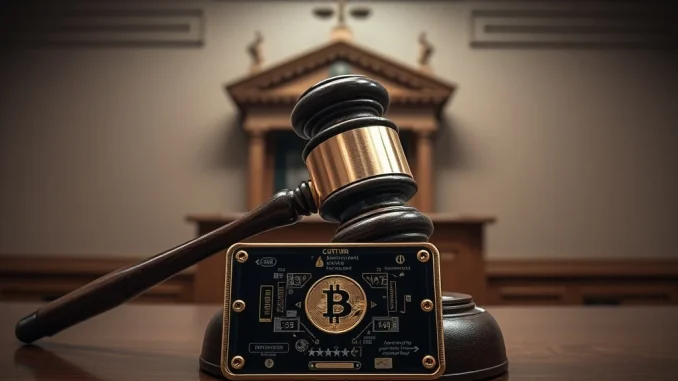
In a landmark decision, a Florida court has ordered the return of over $700,000 in cryptocurrency that was improperly seized from a European Union-licensed brokerage firm. This case underscores the growing legal challenges surrounding digital asset seizures and the importance of due process in the crypto space.
What Led to the Crypto Seizure?
The incident began with a $20,000 fraud case in Waupaca County, Wisconsin. Authorities traced the fraudulent proceeds to a Kraken account belonging to the brokerage firm. Despite the firm’s full cooperation, the Volusia County Sheriff’s Office issued a sealed seizure warrant, leading to the liquidation of 1.19121 BTC into USD and transfer to a law enforcement-controlled wallet.
Legal Violations in the Crypto Seizure
The court ruled that the seizure violated Florida’s Contraband Forfeiture Act. Key issues included:
- No documents were filed with the clerk’s office.
- The judge lacked jurisdiction over the matter.
- The law enforcement officer had no authority to act outside his jurisdiction.
Brokerage’s Fight for Justice
The brokerage provided extensive documentation to identify the actual fraud perpetrator but was still targeted. The firm’s legal team argued that the seizure lacked a legal basis and highlighted the absence of formal notice, despite full cooperation.
Implications for Digital Assets
This case sets a precedent for how cryptocurrency seizures are handled, emphasizing the need for clearer legal guidelines. It raises critical questions about the balance between law enforcement’s investigative needs and the rights of digital asset holders.
FAQs
What was the original fraud case about?
The seizure originated from a $20,000 fraud case in Waupaca County, Wisconsin.
How much cryptocurrency was seized?
Over $700,000 in crypto was seized, initially valued at $450,000.
What legal violations were identified?
The court found violations in jurisdiction, documentation, and procedural compliance.
What happens next?
The sheriff’s office is complying with the court’s order to return the assets.
Why is this case significant?
It highlights the challenges of applying traditional legal frameworks to digital assets.