In a bold move, the Federal Reserve has decided to keep interest rates steady at 4.5%, resisting pressure from President Donald Trump and facing rare dissent within its ranks. What does this mean for inflation, trade policies, and your investments? Let’s break it down.
Why Did the Fed Hold Interest Rates Steady?
The Federal Open Market Committee (FOMC) voted to maintain the benchmark rate at 4.5%, despite two dissenting voices—Christopher Waller and Michelle Bowman—who pushed for a 0.25% cut. Here’s what influenced their decision:
- Inflation Concerns: Core inflation rose to 2.3% in May, slightly above the Fed’s 2% target.
- Trade Tariffs: Trump’s new 25% tariffs on Indian imports and pending EU trade deals could fuel inflation.
- Economic Growth: Q2 GDP surged by 3%, but consumer spending showed signs of slowing.
How Is Trump’s Pressure Affecting Monetary Policy?
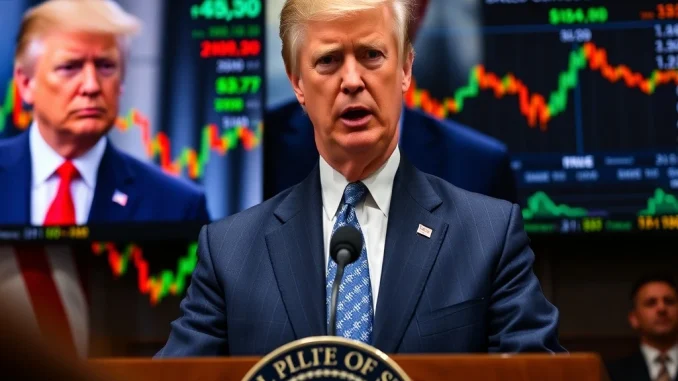
President Trump has repeatedly called for lower interest rates to boost economic growth. However, Fed Chair Jerome Powell emphasized the central bank’s independence, stating:
“Our decisions are data-driven, not politically motivated.”
Analysts suggest the Fed’s stance signals a commitment to long-term stability over short-term political demands.
What’s Next for Inflation and Market Expectations?
With inflation still above target, the Fed faces a delicate balancing act. Key factors to watch:
| Factor | Impact |
|---|---|
| Trade Tariffs | Potential inflationary pressure |
| Labor Market | Near maximum employment |
| Geopolitical Risks | Ukraine conflict, secondary sanctions on Russia |
Will the Fed Cut Rates in 2025?
Market expectations remain cautious. According to CME FedWatch:
- 43% probability of a 0.5% cut by December.
- First cut likely in October, not September.
Powell stressed that no decisions are finalized, leaving room for adjustments based on incoming data.
Conclusion: A High-Stakes Balancing Act
The Fed’s decision to hold rates reflects its cautious approach amid political pressure and economic uncertainty. Investors should stay alert for shifts in inflation, trade policies, and geopolitical risks that could sway future rate decisions.
Frequently Asked Questions (FAQs)
- Why did two Fed officials dissent?
Christopher Waller and Michelle Bowman supported a 0.25% rate cut, citing moderating economic growth. - How do Trump’s tariffs affect inflation?
Higher import costs could push prices up, but businesses may struggle to pass these costs to consumers. - When is the next Fed meeting?
The next key meeting is in September, where further economic data will guide decisions. - What’s the outlook for interest rates in 2025?
Markets expect a possible cut by year-end, but timing remains uncertain.