Global, May 2025: As cryptocurrency markets exhibit consolidation below previous all-time highs, analyst attention increasingly focuses on specific projects demonstrating strong technological foundations and measurable adoption metrics. This analysis examines four distinct blockchain assets—BlockDAG, Arbitrum, Chainlink, and Avalanche—that market participants frequently cite as potential catalysts for broader market movements based on their underlying architectures and ecosystem developments.
Evaluating Cryptocurrency Investment Theses in Current Market Conditions
Cryptocurrency markets historically move in cycles characterized by periods of accumulation, expansion, and correction. The current phase presents what technical analysts describe as a consolidation pattern, where prices trade within defined ranges below previous peak valuations. During such periods, fundamental analysis gains importance as investors seek projects with sustainable technological advantages and growing real-world utility.
Market data from multiple blockchain analytics platforms indicates that capital rotation often precedes broader market movements. Projects demonstrating network growth, developer activity, and transaction volume stability during consolidation phases frequently lead subsequent market expansions. This pattern has repeated across multiple market cycles since Bitcoin’s inception in 2009.
BlockDAG: A Novel Approach to Blockchain Scalability
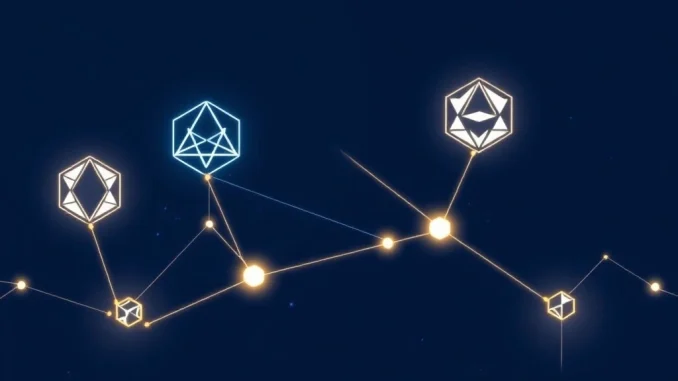
BlockDAG represents an emerging architectural paradigm that diverges from traditional linear blockchain structures. Directed Acyclic Graph (DAG) technology enables parallel transaction processing, potentially addressing the scalability limitations that have constrained earlier blockchain implementations. The technology allows multiple blocks to reference multiple predecessors simultaneously, creating a web-like structure rather than a single chain.
Several DAG-based projects have emerged since IOTA introduced the concept in 2016, each implementing variations of the core protocol. The theoretical advantages of DAG architectures include:
- Higher transaction throughput compared to linear blockchains
- Reduced confirmation times for transactions
- Elimination of miner competition and associated fees in some implementations
- Improved energy efficiency through alternative consensus mechanisms
Recent network upgrades to existing DAG projects have focused on enhancing security models and improving decentralization. The evolution of these networks represents an ongoing experiment in blockchain architecture that could influence broader industry development if successful at scale.
Technical Implementation and Current Challenges
DAG implementations face unique technical challenges, particularly regarding security and consensus. Without the linear structure of traditional blockchains, these networks must develop alternative methods to prevent double-spending attacks and ensure transaction finality. Most current implementations use variations of proof-of-work or proof-of-stake adapted for parallel validation.
Network analysis indicates that DAG-based projects typically demonstrate higher transactions per second during testing phases but face different scaling limitations as network participation grows. The technology remains in relatively early stages of adoption compared to established blockchain architectures, with ongoing research addressing security proofs and incentive structures.
Arbitrum: Leading the Layer 2 Scaling Ecosystem
Arbitrum has established itself as a dominant force in the Ethereum layer 2 scaling ecosystem. Developed by Offchain Labs, the platform utilizes optimistic rollup technology to process transactions off-chain before submitting compressed data batches to the Ethereum mainnet. This approach significantly reduces transaction costs while maintaining compatibility with Ethereum’s security model and developer tools.
Network metrics from April 2025 show Arbitrum consistently processing between 800,000 and 1.2 million daily transactions, representing approximately 40% of all layer 2 activity. The platform’s success stems from several strategic advantages:
- Full compatibility with the Ethereum Virtual Machine (EVM)
- Significant reduction in gas fees compared to mainnet transactions
- Growing ecosystem of decentralized applications across DeFi, NFTs, and gaming
- Continuous protocol improvements through regular network upgrades
The platform’s recent Nitro upgrade improved transaction processing efficiency by approximately 7x while reducing fees further. This technical evolution demonstrates the project’s commitment to maintaining competitive advantages in the rapidly evolving layer 2 landscape.
Ecosystem Development and Network Effects
Arbitrum’s growing developer community represents a significant network effect. Over 500 decentralized applications now operate on the network, spanning decentralized exchanges, lending protocols, and gaming platforms. This diversity creates a self-reinforcing cycle where more applications attract more users, which in turn attracts more developers.
The platform’s governance token, ARB, facilitates community-led decision-making through a decentralized autonomous organization structure. Recent governance proposals have focused on treasury management, grant programs for ecosystem development, and technical roadmap prioritization. This participatory approach aligns with broader industry trends toward decentralized governance models.
Chainlink: The Expanding Oracle Infrastructure Network
Chainlink has evolved from a price oracle solution into a comprehensive decentralized computing platform. The network’s core function involves securely delivering external data to blockchain smart contracts, enabling them to interact with real-world information. This capability has become increasingly critical as blockchain applications expand beyond simple token transfers to more complex financial instruments and automated systems.
The network currently secures over $28 billion in value across multiple blockchain ecosystems, according to data from the Chainlink network dashboard. Recent protocol developments have expanded the network’s capabilities beyond data delivery to include:
- Verifiable random number generation for gaming and NFT applications
- Cross-chain interoperability through the Cross-Chain Interoperability Protocol (CCIP)
- Automated contract execution through Keepers network
- Proof of reserve verification for stablecoin issuers
These expanded services position Chainlink as critical infrastructure rather than merely a data provider. The network’s security model, which utilizes decentralized node operators and cryptographic proof systems, has maintained reliability through multiple market cycles and volatility events.
Enterprise Adoption and Real-World Integration
Chainlink’s enterprise adoption has accelerated through partnerships with traditional financial institutions and technology companies. Several major financial data providers now offer their feeds through the Chainlink network, while insurance companies utilize the platform for parametric insurance products that automatically trigger payouts based on verifiable data.
The network’s growing integration with traditional systems demonstrates blockchain technology’s expanding relevance beyond cryptocurrency trading. As more real-world assets tokenize on blockchain platforms, the demand for reliable oracle services likely increases proportionally. Chainlink’s first-mover advantage and established security record position it to capture significant portions of this growing market segment.
Avalanche: The Multi-Chain Platform for Custom Blockchains
Avalanche distinguishes itself through its unique consensus mechanism and multi-chain architecture. The platform utilizes a novel consensus protocol called Snowman that enables rapid transaction finality—often under two seconds—while maintaining decentralization. This technical achievement addresses the blockchain trilemma of balancing security, scalability, and decentralization more effectively than many earlier generation platforms.
Avalanche’s primary innovation involves its three interconnected blockchains:
| Chain | Function | Consensus |
|---|---|---|
| Exchange Chain (X-Chain) | Asset creation and trading | Avalanche Consensus |
| Contract Chain (C-Chain) | Smart contract execution | Snowman Consensus |
| Platform Chain (P-Chain) | Network coordination and staking | Snowman Consensus |
This architectural separation allows each chain to optimize for specific functions while maintaining interoperability. The platform’s subnet functionality enables organizations to create custom blockchain networks with specific parameters while still benefiting from the security of the primary Avalanche network.
Institutional Adoption and Regulatory Considerations
Avalanche has attracted significant institutional interest, particularly through its partnership with Deloitte to build disaster relief platforms for the Federal Emergency Management Agency. This government-facing application demonstrates blockchain technology’s potential beyond financial speculation and represents a significant validation of the platform’s technical capabilities.
The platform’s regulatory positioning has evolved through engagement with policymakers and compliance-focused developments. Several financial institutions exploring blockchain integration have selected Avalanche for pilot programs due to its rapid finality and customizability. These enterprise applications could drive network usage independent of cryptocurrency market cycles, potentially creating more stable demand for the platform’s native token.
Comparative Analysis of Technological Approaches
These four projects represent distinct technological approaches to blockchain implementation. BlockDAG explores alternative data structures for scalability, Arbitrum optimizes existing blockchain infrastructure through layer 2 solutions, Chainlink builds critical supporting infrastructure, and Avalanche reimagines blockchain architecture through multiple specialized chains.
Their common thread involves addressing specific limitations of earlier blockchain generations. Each project has achieved measurable adoption within its respective niche, suggesting market validation of their technical approaches. Network metrics from the past twelve months show consistent growth in developer activity, transaction volume, and total value secured across all four ecosystems.
Historical patterns suggest that projects demonstrating both technical innovation and growing adoption during market consolidation phases often perform strongly during subsequent expansion periods. However, past performance never guarantees future results in rapidly evolving technological landscapes.
Conclusion: Monitoring Fundamental Metrics Amid Market Cycles
The cryptocurrency market’s current consolidation phase provides opportunity for fundamental analysis of projects with distinctive technological approaches. BlockDAG, Arbitrum, Chainlink, and Avalanche each address specific blockchain limitations through different architectural solutions. Their growing adoption metrics and continued technical development warrant attention from market observers monitoring potential catalysts for broader market movements.
Investors considering these top crypto to buy opportunities should prioritize understanding each project’s technological differentiation, current adoption metrics, and development roadmap. Market history demonstrates that projects solving genuine technical challenges while attracting real-world usage often create sustainable value across multiple market cycles, regardless of short-term price fluctuations.
FAQs
Q1: What distinguishes BlockDAG technology from traditional blockchains?
BlockDAG utilizes a Directed Acyclic Graph structure that enables parallel transaction processing rather than the linear sequence of traditional blockchains. This architecture potentially allows higher throughput and faster confirmations but requires different security models and consensus mechanisms.
Q2: How does Arbitrum reduce Ethereum transaction costs?
Arbitrum processes transactions off-chain using optimistic rollup technology, then submits compressed data batches to the Ethereum mainnet. This approach reduces the computational load on the main chain while maintaining security through fraud proofs and Ethereum’s settlement guarantees.
Q3: Why are oracle networks like Chainlink important for blockchain ecosystems?
Smart contracts cannot access external data directly. Oracle networks securely deliver real-world information to blockchain applications, enabling more complex functionality like decentralized finance instruments, insurance products, and supply chain tracking that require external data inputs.
Q4: What makes Avalanche’s consensus mechanism unique?
Avalanche uses a novel consensus protocol called Snowman that enables rapid transaction finality (often under two seconds) through repeated sub-sampling of network participants. This approach balances security, speed, and decentralization differently than proof-of-work or traditional proof-of-stake systems.
Q5: How should investors evaluate cryptocurrency projects during market consolidation?
During consolidation phases, fundamental metrics like developer activity, transaction volume growth, partnership announcements, and protocol upgrades often provide better indicators of long-term potential than short-term price movements. Historical analysis suggests projects demonstrating consistent ecosystem growth during quiet markets often lead subsequent expansions.
This article was produced with AI assistance and reviewed by our editorial team for accuracy and quality.