Global Cryptocurrency Markets, April 2025: Chainlink’s native token, LINK, has entered a consolidation phase near what technical analysts identify as a critical long-term demand zone. This development follows several months of market volatility across the cryptocurrency sector, with particular attention focused on oracle network tokens and their role in the evolving decentralized finance ecosystem. Market participants are examining historical price patterns, on-chain metrics, and liquidity data to understand potential future movements.
Understanding Chainlink’s Current Market Position
Chainlink’s LINK token currently trades within a multi-year technical structure that has attracted analytical attention from multiple market observers. The token serves as the native cryptocurrency of the Chainlink network, which provides decentralized oracle services connecting smart contracts with real-world data. This fundamental utility creates a distinct market dynamic compared to purely speculative assets. The network’s growing adoption across various blockchain platforms, including Ethereum, Polygon, and Avalanche, contributes to ongoing demand for LINK tokens as collateral within oracle node operations.
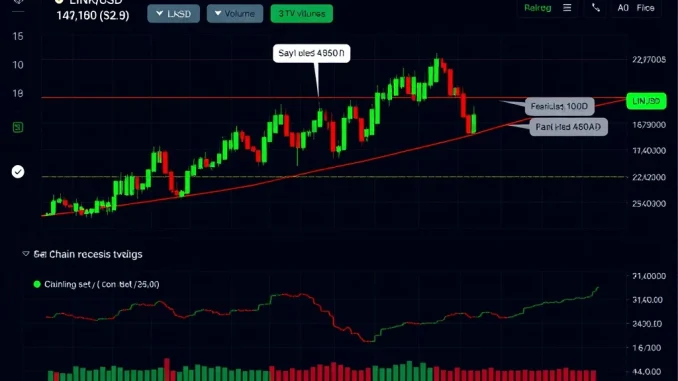
Technical analysis of LINK’s price action reveals the token has returned to a price region that previously served as significant support during multiple market cycles. Historical data shows this zone acted as accumulation area during the 2020-2021 bull market and provided foundation during the subsequent consolidation phase. Market structure analysis examines not only price levels but also trading volume patterns, on-chain holder distribution, and derivatives market positioning. These combined metrics offer a more comprehensive view than price alone.
Analyzing the Critical Demand Zone Concept
The term “demand zone” in technical analysis refers to price areas where buying interest has historically been concentrated. These zones typically form when institutional investors, long-term holders, or algorithmic trading systems establish significant positions. For LINK, analysts identify this zone through several methodologies:
- Volume Profile Analysis: Examining where the highest trading volumes occurred historically
- On-chain Support Levels: Identifying price points with high concentrations of token holdings
- Historical Rejection/Support: Price areas that repeatedly reversed downward movements
- Liquidity Mapping: Tracking where stop losses and liquidations cluster in derivatives markets
Current market data shows LINK trading within what some analysts describe as a “high timeframe demand zone,” meaning the significance extends across weekly and monthly charts rather than shorter timeframes. This multi-timeframe convergence often attracts attention from different categories of market participants, ranging from day traders to institutional funds with varying investment horizons.
Historical Context and Previous Cycle Comparisons
Chainlink’s market history provides relevant context for current price action. During previous market cycles, LINK demonstrated specific patterns when approaching similar technical levels. The 2019-2020 period saw the token consolidate within a defined range before beginning its subsequent upward movement. Market analysts note similarities in trading volume patterns, volatility compression, and derivatives positioning between current conditions and previous accumulation phases.
The broader cryptocurrency market context also influences LINK’s price action. As an infrastructure token within the blockchain ecosystem, LINK often correlates with developments in decentralized finance, smart contract platforms, and enterprise blockchain adoption. Recent growth in cross-chain interoperability solutions and increased institutional interest in oracle services creates fundamental support for the network’s long-term value proposition.
Market Liquidity and Derivatives Positioning
Beyond spot market analysis, derivatives markets provide additional insight into LINK’s current positioning. Open interest in LINK perpetual swaps and futures contracts has shown specific patterns as price approaches the identified demand zone. Funding rates, which indicate whether longs or shorts are paying fees to maintain positions, have remained relatively neutral in recent weeks, suggesting balanced positioning between bullish and bearish traders.
Liquidity analysis examines where large buy and sell orders cluster on cryptocurrency exchanges. Current order book data reveals increased bid density within the demand zone, suggesting market makers and institutional participants have placed significant buy orders at these levels. This liquidity concentration often creates price support, as automated trading systems and algorithmic strategies respond to the available order flow.
| Metric | Current Reading | Historical Average | Interpretation |
|---|---|---|---|
| Daily Trading Volume | $450-600M | $380M | Above average activity |
| Volatility (30-day) | 65% | 85% | Below average volatility |
| Exchange Netflow | Neutral/Slight Negative | Variable | Reduced selling pressure |
| Active Addresses | 45,000 daily | 38,000 | Increased network activity |
On-Chain Metrics and Holder Behavior
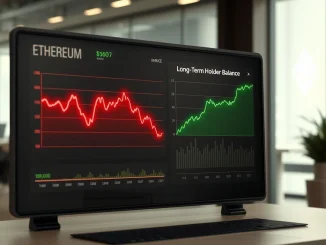
On-chain analytics provide window into holder behavior during this consolidation phase. The percentage of LINK tokens held in wallets for over one year remains near all-time highs, suggesting long-term conviction among core holders. Exchange balances, which indicate potential selling pressure, have shown gradual decline in recent months as tokens move to private wallets and staking contracts.
Chainlink’s staking mechanism, which allows token holders to stake LINK to secure oracle services, has created additional demand dynamics. The total value locked in staking contracts continues to grow, effectively reducing circulating supply available for trading. This structural reduction in liquid supply interacts with technical demand zones to create complex market dynamics that differ from purely speculative assets.
Analytical Projections and Risk Considerations
Some market analysts have published technical projections based on historical patterns and Fibonacci extensions. These projections, which include potential price targets derived from previous market structures, represent hypothetical scenarios rather than predictions. The $53 figure referenced in some analyses represents one such projection based on specific technical measurements from previous market cycles.
It’s crucial to understand that technical projections involve significant assumptions about market conditions, adoption rates, and broader cryptocurrency trends. The percentage gains referenced in some analyses (such as 1,200%) represent mathematical calculations from specific starting points rather than forecasts with defined probability. Responsible analysis always considers multiple scenarios, including sideways consolidation, breakdowns below support, or gradual appreciation rather than rapid rallies.
Risk management considerations for market participants include:
- Market Correlation Risk: LINK’s correlation with broader cryptocurrency markets
- Liquidity Risk: Potential for rapid price movements during low-volume periods
- Protocol Risk: Dependence on Chainlink network adoption and technological development
- Regulatory Risk: Evolving regulatory frameworks for cryptocurrency and DeFi
Conclusion
Chainlink’s LINK token currently consolidates near a historically significant demand zone, attracting analytical attention from various market participants. The combination of technical factors, on-chain metrics, and fundamental developments creates a complex market environment that requires nuanced interpretation. While some analysts reference historical patterns to project potential future movements, market participants should consider multiple scenarios and maintain appropriate risk management strategies. The evolving role of oracle networks within the blockchain ecosystem continues to shape LINK’s market dynamics, with technical analysis providing one lens among many for understanding potential price movements.
FAQs
Q1: What is a demand zone in cryptocurrency trading?
A demand zone refers to a price area where buying interest has historically been concentrated, often identified through volume analysis, order book data, and historical support levels. These zones represent areas where market participants have previously shown willingness to accumulate assets.
Q2: How do analysts identify critical demand zones for assets like LINK?
Analysts use multiple methodologies including volume profile analysis (identifying high-volume nodes), historical price action (repeated support levels), on-chain data (holder concentration at specific prices), and liquidity mapping (order book analysis). Convergence across these methods strengthens zone identification.
Q3: What fundamental factors support Chainlink’s long-term value proposition?
Chainlink provides critical oracle infrastructure connecting smart contracts with real-world data. Growing adoption across DeFi, insurance, gaming, and enterprise applications creates demand for LINK tokens as collateral for node operators and through staking mechanisms that secure the network.
Q4: How should investors interpret technical price projections like the $53 target?
Technical projections represent hypothetical scenarios based on historical patterns and mathematical extensions. They should be considered alongside fundamental analysis, risk assessment, and portfolio management principles rather than as predictions with guaranteed outcomes.
Q5: What risks should market participants consider when analyzing LINK’s current position?
Key risks include broader cryptocurrency market volatility, changes in DeFi adoption rates, technological developments in oracle alternatives, regulatory developments affecting blockchain infrastructure, and liquidity conditions during market stress periods.
Updated insights and analysis added for better clarity.
This article was produced with AI assistance and reviewed by our editorial team for accuracy and quality.