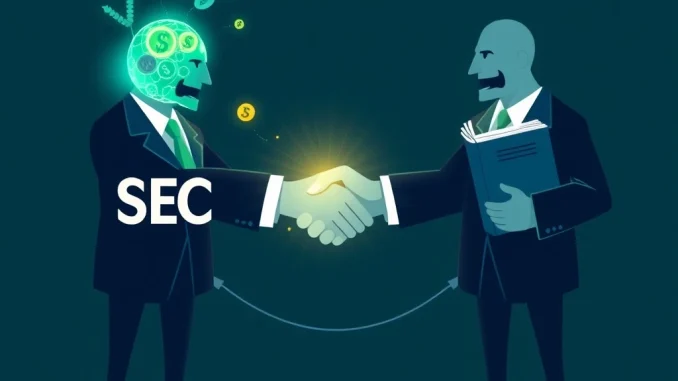
The landscape of digital finance is rapidly evolving. Recently, the U.S. Securities and Exchange Commission (SEC) and leading crypto exchange Kraken held significant discussions. These talks centered on **asset tokenization**, a groundbreaking process. This engagement signals a crucial step towards integrating traditional financial assets into the digital realm. It highlights the increasing mainstream acceptance of blockchain technology’s potential.
Unpacking the SEC & Kraken Meeting on Digital Assets
In a pivotal development, the U.S. Securities and Exchange Commission’s (SEC) crypto task force engaged directly with Kraken. The primary agenda focused on exploring methods for **tokenizing traditional assets**. Furthermore, they discussed related trading systems and the necessary regulatory frameworks. This meeting, as reported by Cointelegraph, underscores a growing recognition of blockchain’s potential. It also highlights the complex regulatory challenges involved. Therefore, industry collaboration becomes essential for progress.
Understanding Asset Tokenization: A Core Concept
**Asset tokenization** involves converting rights to an asset into a digital token on a blockchain. This asset can be tangible, like real estate or fine art. It can also be intangible, such as intellectual property or company shares. Each token represents a fractional ownership or claim. This process offers several compelling advantages. Firstly, it enhances liquidity for traditionally illiquid assets. Secondly, it reduces transaction costs by eliminating intermediaries. Thirdly, it increases transparency through immutable blockchain records. Lastly, it enables fractional ownership, making high-value assets accessible to more investors. For example, owning a fraction of a commercial building becomes feasible for a broader audience. Ultimately, tokenization promises to democratize investment opportunities.
The Imperative for SEC Crypto Regulation
The rapid expansion of the crypto market necessitates clear guidelines. Consequently, the need for robust **SEC crypto regulation** has become paramount. The SEC’s role is to protect investors and maintain fair, orderly, and efficient markets. As **digital assets** proliferate, the commission faces the challenge of applying existing securities laws. These laws often predate blockchain technology. Therefore, these discussions with industry players like Kraken are vital. They help the SEC understand the nuances of this emerging technology. They also assist in developing appropriate oversight mechanisms. The goal is to foster innovation while mitigating risks. This balancing act is crucial for market stability and investor confidence. Moreover, clear rules prevent illicit activities.
Kraken’s Role in Shaping the Future of Tokenized Securities
Kraken, a prominent cryptocurrency exchange, brings significant expertise to these discussions. Their involvement in talks concerning **tokenized securities** is particularly noteworthy. Kraken operates a large trading platform. They have direct experience with the complexities of digital asset markets. Their insights can help bridge the gap between innovation and regulation. By collaborating with the SEC, Kraken can contribute to creating practical and effective frameworks. This collaboration aims to ensure that tokenized assets can be traded securely and compliantly. Furthermore, it positions Kraken as a key player in the evolution of digital finance. Their participation lends credibility to the dialogue. It also provides valuable real-world perspective.
Navigating the Regulatory Landscape for Digital Assets
The regulatory path for **digital assets** remains intricate. Various jurisdictions are grappling with how to classify and oversee these novel instruments. The SEC’s approach typically involves assessing whether a digital asset qualifies as a ‘security’ under the Howey Test. If it does, it falls under the purview of federal securities laws. This classification determines registration requirements, disclosure obligations, and trading rules. Tokenized assets, particularly those representing shares or bonds, are likely to be deemed securities. Therefore, discussions about their trading systems and regulatory compliance are critical. Clear rules will foster investor confidence. They will also attract institutional participation. Ultimately, a well-defined framework benefits all market participants.
The Promise and Peril of Tokenized Securities
The potential for **tokenized securities** is immense. They could revolutionize capital markets, making them more efficient and accessible. Imagine a world where real estate transactions complete in minutes, not weeks. Or where small investors can own a fraction of a multi-million dollar artwork. However, this promise comes with inherent challenges. Regulatory arbitrage, market manipulation, and cybersecurity risks are significant concerns. Without proper oversight, these new markets could become breeding grounds for illicit activities. Therefore, the ongoing dialogue between the SEC and industry leaders is essential. It aims to harness the benefits while mitigating the dangers effectively. Furthermore, robust security protocols are vital.
Global Implications and the Path Forward for Asset Tokenization
The discussions between the SEC and Kraken hold global significance. Regulatory bodies worldwide are observing the U.S. approach to **asset tokenization**. Clear guidance from a major financial regulator like the SEC could set a precedent. It might influence how other nations develop their own frameworks. The path forward involves continuous collaboration. It requires balancing technological advancements with robust investor protection. Further engagement between regulators, innovators, and market participants is expected. This ongoing dialogue will shape the future of finance. It will define how traditional assets transition into the digital age. Ultimately, a harmonized global approach would be ideal.
The recent talks between the US SEC and Kraken represent a crucial step. They highlight a proactive approach to understanding and regulating **asset tokenization**. As this technology matures, clear regulatory frameworks will be indispensable. These frameworks will unlock the full potential of digital assets. They will also ensure market integrity and investor confidence. The future of finance is increasingly digital. These discussions are laying the groundwork for a secure and compliant transition. This collaborative effort promises a more efficient and accessible financial ecosystem for everyone.
Frequently Asked Questions (FAQs)
Q1: What is asset tokenization?
A1: Asset tokenization is the process of converting the rights to an asset, whether tangible (like real estate) or intangible (like company shares), into a digital token on a blockchain. Each token typically represents a fractional ownership or claim, enhancing liquidity and accessibility.
Q2: Why is the SEC discussing asset tokenization with Kraken?
A2: The U.S. Securities and Exchange Commission (SEC) is discussing **asset tokenization** with Kraken to understand the technological aspects, trading systems, and regulatory implications of integrating traditional assets onto blockchain platforms. This dialogue aims to develop appropriate regulatory frameworks for these emerging **digital assets** while protecting investors.
Q3: What are the main benefits of tokenizing traditional assets?
A3: Tokenizing traditional assets offers several benefits, including increased liquidity for illiquid assets, reduced transaction costs, enhanced transparency through immutable blockchain records, and the ability for fractional ownership, making high-value assets more accessible to a broader range of investors.
Q4: How does SEC crypto regulation apply to tokenized securities?
A4: If a tokenized asset is deemed a “security” under the SEC’s Howey Test, it falls under federal securities laws. This requires compliance with registration requirements, disclosure obligations, and specific trading rules designed to protect investors and ensure market integrity for **tokenized securities**.
Q5: What challenges does the SEC face in regulating digital assets?
A5: The SEC faces challenges in applying existing securities laws to novel **digital assets** and blockchain technology. Key concerns include classifying different types of tokens, preventing market manipulation, addressing cybersecurity risks, and ensuring investor protection in a rapidly evolving global market.
Q6: How might these discussions impact the future of traditional finance?
A6: These discussions could significantly impact traditional finance by paving the way for more efficient, transparent, and accessible capital markets. They facilitate the secure integration of traditional assets into the digital economy, potentially revolutionizing how assets are owned, traded, and managed globally.