
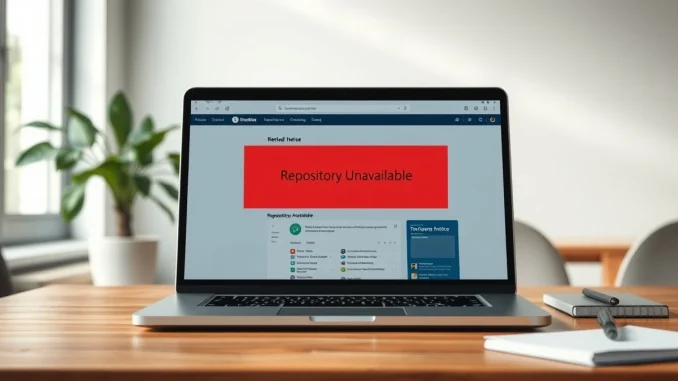
In a significant operational misstep, AI firm Anthropic triggered the removal of approximately 8,100 GitHub repositories this week. The company was attempting to contain a leak of its Claude Code command line application’s source code. According to a statement from Anthropic, the mass takedown was accidental. This incident, occurring in San Francisco on April 1, 2026, has ignited frustration across the developer community and raised pointed questions about the company’s internal controls.
The Source Code Leak That Started It All
A software engineer discovered the leak on Tuesday, March 31. The source code for Claude Code, Anthropic’s popular AI-powered coding assistant, was inadvertently included in a recent public release. This code offers a rare window into how Anthropic harnesses its large language model for a specific, high-value application. AI researchers and enthusiasts quickly began dissecting the code, sharing their findings and forks on GitHub’s collaborative platform. The leak represented a substantial intellectual property exposure for the privately-held company, which is a major competitor to OpenAI.
Also read: Anthropic's Alarming Data Leak Exposes Core AI Product Blueprint
Data from GitHub shows the platform hosts millions of repositories. A leak of this magnitude for a core product is unusual for a firm of Anthropic’s stature. Industry watchers note that source code leaks can reveal proprietary prompting techniques, model fine-tuning methods, and security implementations. This suggests the exposed information could have significant competitive value.
A Takedown Notice Goes Too Far
In response, Anthropic filed a Digital Millennium Copyright Act (DMCA) takedown notice with GitHub. The DMCA provides a legal mechanism for copyright holders to request the removal of infringing material from online services. However, the execution of this notice had sweeping, unintended consequences. Instead of targeting only the primary repository containing the leaked code, GitHub’s automated systems applied the notice across a vast “fork network.” This network included thousands of legitimate forks of Anthropic’s own official, public Claude Code repository.
Also read: Mercor Cyberattack Exposes AI Startup's Vulnerability in LiteLLM Supply Chain Breach
Developers suddenly found their projects blocked. Social media platforms like X (formerly Twitter) filled with complaints from irate users whose unrelated work was caught in the crossfire. One developer posted, “My educational project, which just used the public API, got taken down. This is overreach.” The backlash was immediate and severe.
Anthropic’s Explanation and Retreat
Facing a growing public relations crisis, Anthropic moved quickly to explain and rectify the error. Boris Cherny, the head of Claude Code at Anthropic, stated the move was accidental. A company spokesperson provided more detail to TechCrunch. “The repo named in the notice was part of a fork network connected to our own public Claude Code repo, so the takedown reached more repositories than intended,” the spokesperson said. “We retracted the notice for everything except the one repo we named, and GitHub has restored access to the affected forks.”
According to Cherny, the company retracted the bulk of the notices, ultimately limiting the action to one primary repository and 96 of its direct forks that contained the accidentally released source code. GitHub has since restored access to the other thousands of repositories. This retraction process, however, highlights the blunt-force nature of automated DMCA enforcement at scale.
The Broader Implications for AI and Open Source
This event is more than a simple technical error. It sits at a tense intersection of proprietary AI development and the open-source ethos of platforms like GitHub. The AI industry is fiercely competitive, with companies guarding their core models and datasets closely. Yet, many also rely on and contribute to open-source ecosystems. This incident reveals the potential for conflict when aggressive IP protection measures collide with collaborative development norms.
What this means for developers is a renewed awareness of risk. Forking a popular repository, even for legitimate experimentation or learning, can inadvertently tie a project to the original’s legal fate. The implication is that broad DMCA actions can cause significant collateral damage to independent work. Legal experts often advise developers to clearly decouple their forks from upstream sources if they intend to build unique projects, but this is not always practical for early-stage work.
Compliance and IPO Scrutiny
The botched cleanup arrives at a sensitive time for Anthropic. Multiple reports indicate the company is planning an initial public offering (IPO). The IPO process demands rigorous attention to operational execution, legal compliance, and risk management. A public company leaking its source code would almost certainly face shareholder scrutiny and potential legal action. This incident, while the company is still private, will likely be examined by potential investors as a case study in operational control.
“Leaking your source code as a public company? You better believe there’s a shareholder lawsuit coming,” noted one tech industry analyst familiar with IPO preparations. The event serves as a stark reminder that technical missteps can quickly escalate into legal and financial liabilities. For a company valued in the tens of billions, demonstrating reliable internal security and precise external communications is non-negotiable for maintaining market confidence.
GitHub’s Role and DMCA Process
GitHub, as the intermediary, operates under the DMCA’s “safe harbor” provisions. This protects the platform from liability for user-posted content if it responds expeditiously to valid takedown notices. The system is largely automated, which allows for efficiency but can lack nuance. When a notice is filed against a repository that is part of a large fork network, the action can propagate widely. GitHub’s records of this event will become a data point in ongoing discussions about balancing copyright enforcement with developer fair use.
The platform has tools for developers to file counter-notices if they believe a takedown is mistaken. But this process can take time, during which a project is inaccessible. For many developers, the sudden disappearance of their work, even if temporary, is disruptive and damaging. This incident could prompt GitHub to review how it visualizes and warns about fork network relationships before executing broad takedowns.
Conclusion
The Anthropic GitHub takedown blunder underscores the complex challenges facing high-growth AI companies. A simple error in a software release led to a major intellectual property leak. The attempt to fix it, through a legally sound but overly broad DMCA notice, then disrupted the work of thousands of unrelated developers. While Anthropic acted swiftly to correct the mistake, the reputational sting remains. For a company reportedly on the path to an IPO, this episode highlights how technical operations, legal strategy, and community relations are deeply intertwined. As AI firms continue to build on and alongside open-source platforms, finding more precise tools for IP protection will be essential to avoid similar collateral damage in the future.
FAQs
Q1: What exactly did Anthropic leak?
The company accidentally included the source code for its Claude Code command line application in a public release. This code shows how Anthropic integrated its large language model into a specific developer tool.
Q2: How many GitHub repositories were affected by the takedown?
According to GitHub’s records, the initial DMCA notice executed by Anthropic resulted in approximately 8,100 repositories being taken down. Most of these were restored after Anthropic retracted the notice.
Q3: What is a DMCA takedown notice?
The Digital Millennium Copyright Act (DMCA) provides a process for copyright holders to request that online service providers remove material that infringes on their copyright. GitHub, like many platforms, has a system to process these notices.
Q4: Why did the takedown affect so many repositories?
The targeted repository was part of a large “fork network” on GitHub. When a user forks a repo, they create a copy linked to the original. Anthropic’s notice, aimed at the source of the leak, was applied by GitHub’s systems to the entire network of linked forks, including legitimate ones.
Q5: Could this incident affect Anthropic’s reported IPO plans?
While the company is still private, incidents like this are closely examined during IPO due diligence. They speak to a company’s operational controls, risk management, and compliance posture—all key areas of investor scrutiny.

This article was produced with AI assistance and reviewed by our editorial team for accuracy and quality.




Be the first to comment