
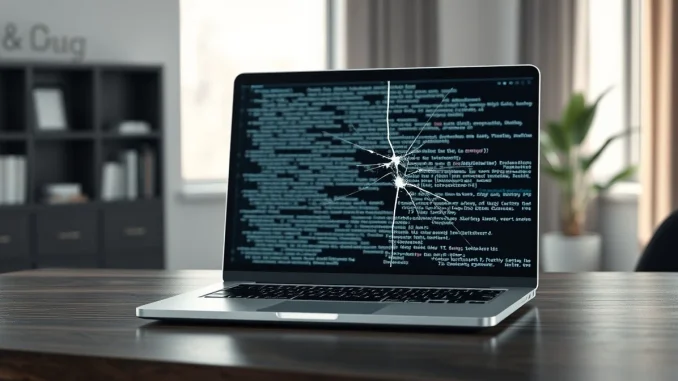
Anthropic, the AI firm that has staked its reputation on meticulous safety and security, is now confronting a glaring contradiction. For the second time in a week, the company has accidentally exposed sensitive internal information. The latest incident, confirmed on March 31, 2026, saw the public release of nearly 2,000 source code files for its flagship Claude Code developer tool. This leak provides a rare, unfiltered look into the architectural blueprint of a product that has become a significant force in the competitive AI coding assistant market.
Anatomy of a Packaging Error
According to reports from TechCrunch and other outlets, the exposure occurred during a routine software update. When Anthropic pushed version 2.1.88 of its Claude Code package to the npm registry, a critical configuration file was mistakenly included. This file acted as a map, exposing the tool’s underlying source code—over 512,000 lines detailing its core functionality. Security researcher Chaofan Shou discovered the exposed data almost immediately and posted about it on social media platform X.
Also read: Mercor Cyberattack Exposes AI Startup's Vulnerability in LiteLLM Supply Chain Breach
Anthropic’s public response was brief. The company stated this was a “release packaging issue caused by human error, not a security breach.” This framing aims to distinguish the event from an external hack. But industry watchers note the distinction matters little to competitors who can now study the code. The leak reveals the software scaffolding that dictates how Claude Code interacts with its AI model, manages tools, and enforces operational limits.
A Pattern of Unforced Errors
This event follows another significant slip just days prior. Fortune reported that Anthropic had inadvertently made nearly 3,000 internal files publicly accessible. That cache included a draft blog post announcing a powerful, un-released AI model. Two major leaks in rapid succession suggest systemic process failures. This is particularly damaging for a company whose brand is built on caution and responsible development.
Also read: OpenAI Sora Shutdown: The Stunning Cost Behind the AI Video Dream
Anthropic has positioned itself as the thoughtful counterweight to faster-moving rivals. It publishes extensive AI safety research and employs leading figures in AI risk. The company is even engaged in a notable dispute with the U.S. Department of Defense over the ethical use of its technology. These recent operational stumbles, however, undermine that carefully constructed image. They reveal a gap between high-minded policy and practical execution.
The Stakes of the Claude Code Leak
Claude Code is not a side project. It’s a command-line tool that allows developers to use Anthropic’s AI for writing, editing, and debugging code. Its rise has been notable. Data from developer forums and usage metrics indicates it has gained substantial traction, particularly among professional engineers. Its success has reportedly influenced competitor strategy. The Wall Street Journal reported that OpenAI’s decision to pull its Sora video generator from public access was partly a move to re-focus on developer tools—a segment where Claude Code’s momentum was being felt.
What was leaked is not the AI model’s weights or parameters, which are often considered the crown jewels. Instead, it’s the intricate software wrapper that makes the model usable and efficient for developers. One analysis posted online described the exposed architecture as “a production-grade developer experience, not just a wrapper around an API.” This suggests the leak reveals significant proprietary engineering work on user experience, system integration, and workflow optimization.
Immediate Fallout and Industry Reaction
The tech community reacted swiftly. Developers began publishing technical analyses of the code within hours. The consensus points to a sophisticated, well-engineered system. For competitors, this is an unexpected treasure trove. Rival teams can now study Anthropic’s solutions to common problems in AI tooling, such as context management, code parsing, and security sandboxing. This could accelerate their own development cycles.
But the AI field moves at a blistering pace. The strategic value of this specific blueprint may decay quickly as new techniques emerge. The greater damage to Anthropic may be reputational. Trust is a currency for AI companies, especially those handling proprietary code for enterprise clients. A pattern of leaks erodes confidence. What this means for investors is heightened scrutiny of Anthropic’s internal controls and operational maturity alongside its technological prowess.
Broader Implications for AI Security
This incident highlights a growing pain point in the AI industry: the security of the supporting infrastructure. Much attention is paid to securing the models themselves against misuse or theft. Far less is paid to the pipelines, tools, and platforms that deliver them. Anthropic’s error shows that a single unchecked box in a build process can expose the inner workings of a major product.
This suggests a need for more sturdy software supply chain security practices, even in AI-first companies. The implication is that as AI tools become more complex and integrated, their attack surface—and potential for human error—grows larger. Companies promising “safe” AI must demonstrate safety across their entire stack, not just in their research papers.
Conclusion
Anthropic’s dual data leaks present a serious challenge to its core identity. The exposure of the Claude Code source architecture provides competitors with a detailed look at a key product’s engineering. More critically, it contradicts the company’s narrative of meticulous, safety-first operations. For a firm engaged in high-stakes debates over AI ethics and national security, demonstrating operational excellence is non-negotiable. The coming weeks will test whether Anthropic can shore up its processes and regain the trust it has inadvertently compromised. The company’s response to this operational crisis may prove as defining as its stance on theoretical AI risk.
FAQs
Q1: What exactly was leaked in the Anthropic Claude Code incident?
The leak exposed nearly 2,000 source code files and over 512,000 lines of code comprising the software architecture for Claude Code. This is the tool’s blueprint—how it’s built and operates—not the underlying AI model itself.
Q2: How did this data leak happen?
According to Anthropic, it was a “release packaging issue caused by human error.” A configuration file was mistakenly included when publishing a new software version to a public registry, making the source code accessible.
Q3: Was this a hack or a security breach?
Anthropic states it was not a security breach, meaning no external actor hacked their systems. The data was exposed due to an internal procedural mistake during a software update.
Q4: Why is this leak significant for the AI industry?
Claude Code is a major product in the competitive AI coding assistant market. Its source code provides rivals with insights into advanced engineering solutions. The incident also highlights broader concerns about infrastructure security in fast-moving AI companies.
Q5: What was the other recent Anthropic leak?
Days before this event, Fortune reported Anthropic accidentally made about 3,000 internal files public, including a draft announcement for a new, un-released AI model. This marks two major operational errors in a very short timeframe.

This article was produced with AI assistance and reviewed by our editorial team for accuracy and quality.




Be the first to comment