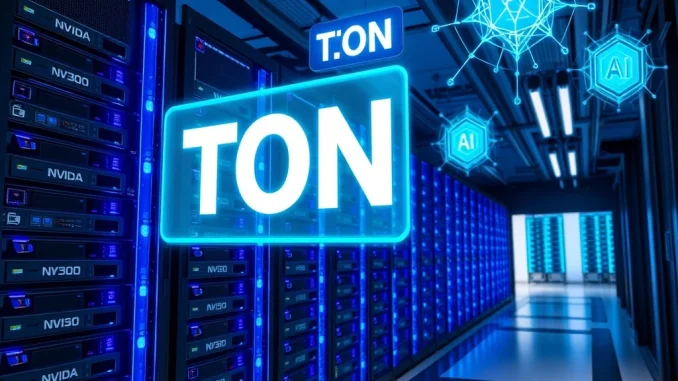
AlphaTON’s Strategic $46M Computing Deal with Cocoon Revolutionizes TON Blockchain AI Infrastructure
In a landmark move that signals the accelerating convergence of blockchain technology and artificial intelligence, Nasdaq-listed AlphaTON has secured a transformative $46 million computing infrastructure agreement with Cocoon, a TON-based AI computing network. This strategic partnership, announced this week, will see AlphaTON supply Cocoon with 576 of Nvidia’s cutting-edge B300 chips, creating one of the most significant hardware deployments in the blockchain AI sector to date. The deal represents a major validation of The Open Network’s (TON) growing ecosystem and highlights how traditional financial institutions are increasingly bridging the gap between conventional markets and decentralized technologies.
AlphaTON’s $46 Million Computing Infrastructure Deal with Cocoon
The $46 million agreement between AlphaTON and Cocoon establishes a substantial hardware foundation for TON’s expanding artificial intelligence capabilities. Under the terms of the deal, AlphaTON will deliver 576 Nvidia B300 chips to Cocoon’s computing network over the next twelve months. This hardware deployment represents a significant investment in physical infrastructure that contrasts with the typically software-focused nature of blockchain development. Consequently, the partnership demonstrates how mature blockchain ecosystems now require substantial real-world computing resources to support advanced applications.
AlphaTON maintains a substantial digital asset treasury (DAT) of TON tokens, positioning the company as both a financial and technological stakeholder in the TON ecosystem. The company’s Nasdaq listing provides traditional investors with regulated exposure to blockchain infrastructure investments. Meanwhile, Cocoon operates as a decentralized computing network specifically designed to support AI applications on the TON blockchain. The network enables developers to access high-performance computing resources for training and running AI models without maintaining expensive hardware themselves.
The timing of this agreement coincides with several important industry developments. First, global demand for AI computing resources continues to outstrip supply. Second, blockchain networks increasingly compete to host next-generation decentralized applications. Third, traditional financial institutions show growing interest in blockchain infrastructure investments. This deal addresses all three trends simultaneously through a single strategic partnership.
Nvidia B300 Chips Power TON Blockchain AI Expansion
The 576 Nvidia B300 chips at the center of this agreement represent the latest generation of graphics processing units specifically optimized for artificial intelligence workloads. Nvidia introduced the B300 architecture as part of its Blackwell platform, which delivers substantial improvements in AI training and inference performance compared to previous generations. Each B300 chip features advanced tensor cores designed to accelerate matrix operations fundamental to neural network processing. Additionally, the architecture includes specialized hardware for transformer models that power contemporary large language models.
For the TON ecosystem, this hardware infusion provides several immediate benefits. First, developers building AI applications on TON gain access to state-of-the-art computing resources. Second, the network’s overall capacity for processing complex computations increases significantly. Third, TON demonstrates its competitiveness with other blockchain platforms investing in AI infrastructure. The hardware deployment follows a clear industry pattern where blockchain networks increasingly require specialized computing resources beyond basic transaction validation.
Several comparable developments in the blockchain industry provide context for this agreement. For instance, other blockchain networks have announced partnerships with cloud computing providers. Additionally, some decentralized physical infrastructure networks (DePIN) have emerged specifically for AI computing. However, the scale and specificity of the AlphaTON-Cocoon agreement distinguishes it from most previous arrangements. The direct procurement of cutting-edge hardware rather than reliance on generalized cloud services represents a more substantial commitment to long-term AI capabilities.
Digital Asset Treasury Strategy and Market Implications
AlphaTON’s digital asset treasury of TON tokens plays a crucial role in this agreement’s structure and implications. The company reportedly holds a substantial position in TON tokens, aligning its financial interests with the blockchain’s technological success. This treasury strategy represents an emerging corporate approach to cryptocurrency holdings where companies maintain strategic reserves of tokens related to their operational ecosystems. Consequently, AlphaTON benefits directly from both the hardware agreement’s fees and any appreciation in TON token value resulting from ecosystem growth.
The market implications of this deal extend beyond the immediate parties involved. First, it validates the TON ecosystem’s growing maturity and competitiveness. Second, it demonstrates how traditional financial markets increasingly intersect with blockchain infrastructure. Third, it establishes a precedent for other Nasdaq-listed companies considering similar blockchain infrastructure investments. Market analysts will likely monitor how this agreement influences both AlphaTON’s stock performance and TON’s market valuation in coming quarters.
From a regulatory perspective, AlphaTON’s status as a Nasdaq-listed company introduces additional considerations. The company must maintain compliance with securities regulations while engaging with blockchain technologies. This requirement potentially makes the agreement more transparent and structured than similar deals between purely private entities. Furthermore, the public reporting requirements associated with AlphaTON’s listing will provide ongoing visibility into the partnership’s implementation and results.
Computing Infrastructure Trends in Blockchain Ecosystems
The AlphaTON-Cocoon agreement reflects broader trends in blockchain computing infrastructure development. Traditionally, blockchain networks focused primarily on consensus mechanisms and transaction processing. However, contemporary blockchain applications increasingly require specialized computing resources for artificial intelligence, scientific computing, and media rendering. This evolution has created demand for hardware-focused partnerships like the one announced between AlphaTON and Cocoon.
Several key factors drive this infrastructure trend. First, decentralized applications grow more computationally intensive. Second, users expect blockchain-based services to match the performance of centralized alternatives. Third, developers seek platforms that provide integrated solutions rather than requiring them to assemble disparate components. The TON ecosystem has positioned itself particularly well to address these demands through its focus on scalability and integration with Telegram’s massive user base.
The following table illustrates how computing infrastructure investments compare across major blockchain platforms:
| Blockchain Platform | Primary Computing Focus | Notable Infrastructure Partnerships | AI/ML Capabilities |
|---|---|---|---|
| TON (The Open Network) | High-throughput transactions, AI integration | AlphaTON-Cocoon (576 Nvidia B300 chips) | Growing through dedicated computing networks |
| Ethereum | Smart contract execution, decentralized finance | Various node service providers, L2 solutions | Limited native support, emerging through specialized chains |
| Solana | High-speed transaction processing | Validator hardware requirements, cloud partnerships | Experimental, through compute-enabled programs |
| Render Network | Decentralized GPU rendering | Direct GPU provider integrations | Focused on rendering, expanding to AI inference |
This comparative view highlights TON’s distinctive approach to computing infrastructure. While other platforms emphasize different aspects of decentralized computing, TON’s partnership model with traditional corporate entities like AlphaTON provides a unique pathway for resource acquisition. The platform’s integration with Telegram potentially creates more immediate practical applications for AI capabilities than platforms with less defined user integration.
Expert Analysis and Industry Perspectives
Industry analysts have identified several significant aspects of the AlphaTON-Cocoon agreement. First, the deal’s scale demonstrates serious commitment rather than experimental investment. Second, the specific focus on Nvidia’s latest hardware indicates forward-looking planning rather than reliance on existing infrastructure. Third, the partnership structure between a public company and a blockchain network creates interesting precedents for future collaborations.
Blockchain infrastructure experts note several important considerations regarding this agreement. The physical location of the computing hardware affects regulatory compliance and latency considerations. The maintenance and upgrade schedule for the B300 chips will influence long-term performance. The allocation mechanism for Cocoon’s computing resources among TON developers will impact ecosystem growth patterns. These practical considerations often determine the ultimate success of such infrastructure investments.
From a technological perspective, the B300 chips’ capabilities align well with anticipated AI workloads on the TON blockchain. The hardware’s tensor core architecture efficiently processes the matrix operations fundamental to neural networks. Its high-bandwidth memory accommodates large AI models. Its energy efficiency relative to performance meets growing concerns about computing’s environmental impact. These technical characteristics make the B300 particularly suitable for decentralized AI applications where resources must be allocated efficiently across multiple users and applications.
Conclusion
The $46 million computing infrastructure deal between AlphaTON and Cocoon represents a significant milestone in the convergence of blockchain technology and artificial intelligence. This agreement provides the TON ecosystem with substantial hardware resources through 576 Nvidia B300 chips, enabling advanced AI applications on the blockchain. The partnership demonstrates how traditional financial institutions like Nasdaq-listed AlphaTON increasingly participate in blockchain infrastructure development. Furthermore, it highlights the growing importance of physical computing resources in supporting next-generation decentralized applications. As blockchain networks evolve beyond basic transaction processing, strategic hardware investments like this AlphaTON-Cocoon agreement will likely become increasingly common across the industry.
FAQs
Q1: What is the significance of AlphaTON’s digital asset treasury in this deal?
AlphaTON’s digital asset treasury of TON tokens creates financial alignment with the blockchain’s success. The company benefits from both the hardware agreement’s revenue and potential appreciation of its TON holdings as the ecosystem grows.
Q2: How do Nvidia B300 chips specifically benefit AI applications on blockchain?
Nvidia B300 chips feature specialized tensor cores that accelerate neural network computations, high-bandwidth memory for large AI models, and energy-efficient designs suitable for decentralized computing networks where resources are shared among multiple applications.
Q3: What distinguishes this agreement from other blockchain computing partnerships?
This agreement involves direct procurement of cutting-edge hardware rather than reliance on generalized cloud services, represents substantial investment scale, and features collaboration between a Nasdaq-listed company and a blockchain network.
Q4: How might this deal influence other blockchain platforms?
The agreement may encourage other blockchain ecosystems to pursue similar hardware-focused partnerships, particularly for AI capabilities. It also demonstrates how traditional corporate entities can participate meaningfully in blockchain infrastructure development.
Q5: What are the potential challenges in implementing this computing infrastructure agreement?
Implementation challenges include physical hardware deployment and maintenance, efficient resource allocation among TON developers, ongoing hardware upgrades as technology advances, and regulatory compliance across jurisdictions where the infrastructure operates.
Related News
- Tokenized Finance Poised for Stunning $11 Trillion Surge by 2030, ARK Invest Projects
- Ethereum Quantum Computing Defense: Foundation Launches Urgent Post-Quantum Security Initiative
- Groundbreaking: South Korea Deploys AI to Detect Crypto Manipulation in Real-Time by 2026
Related: Critical Bitcoin Risk: Ecoinometrics Warns of Sharp Decline if Tech Stocks Roll Over
Related: HyperUnit Whale's $760M Bitcoin Transfer to Binance Sparks Critical Market Analysis
Related: Dormant Bitcoin Whale Awakens: 1,000 BTC Deposit to Bitfinex Signals Pivotal Market Shift