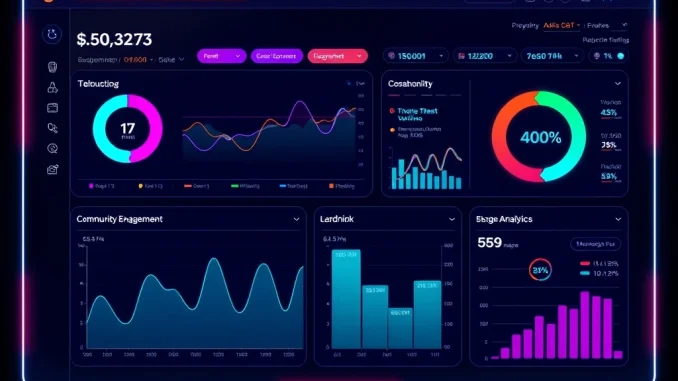
Web3 projects are transforming industries, but how do you measure their success? Traditional financial metrics fall short in decentralized ecosystems. AI tools are stepping in, offering powerful insights by analyzing on-chain data and community metrics. Let’s explore how these innovations are reshaping Web3 project evaluation.
Why AI Tools Are Essential for Web3 Project Evaluation
Web3 projects thrive on decentralization, making traditional evaluation methods inadequate. AI tools bridge this gap by processing vast amounts of on-chain data and community interactions. Here’s why they matter:
- On-chain data analysis: AI tools track transaction volume, active addresses, and token distribution.
- Community engagement: Metrics like governance participation and social media activity are quantified.
- Bias-free insights: AI eliminates human subjectivity, providing objective project ratings.
Key Metrics for Evaluating Web3 Projects
Success in Web3 isn’t just about profits. It’s about ecosystem health and sustainability. AI tools focus on:
| Metric | Why It Matters |
|---|---|
| Active Addresses | Indicates user adoption and network activity. |
| Governance Participation | Shows community involvement in decision-making. |
| Development Activity | Reflects ongoing innovation and project health. |
How AI Enhances Web3 Project Analysis
Platforms like Token Metrics leverage AI to:
- Process complex datasets in real-time.
- Identify hidden patterns and trends.
- Provide risk assessments and predictive analytics.
Actionable Steps for Stakeholders
Want to evaluate Web3 projects like a pro? Follow these steps:
- Use blockchain explorers to collect on-chain data.
- Monitor community channels for engagement signals.
- Review development activity on GitHub or GitLab.
- Assess security through audit reports and protocols.
Challenges in Web3 Project Evaluation
Despite AI advancements, challenges remain:
- Speculative behavior can skew metrics.
- Regulatory changes may impact project viability.
- Technological disruptions require constant adaptation.
Conclusion: The Future of Web3 Evaluation
AI tools are revolutionizing how we assess Web3 projects. By combining on-chain data, community metrics, and AI-driven analytics, stakeholders can make informed decisions. The future of Web3 evaluation is here—embrace it to stay ahead.
Frequently Asked Questions (FAQs)
1. What are the most important metrics for evaluating Web3 projects?
Key metrics include active addresses, governance participation, development activity, and token holder distribution.
2. How do AI tools improve Web3 project evaluation?
AI tools process large datasets, identify patterns, and provide objective insights, reducing human bias.
3. What challenges exist in Web3 project evaluation?
Challenges include speculative behavior, regulatory changes, and the need for continuous monitoring.
4. How can I start evaluating Web3 projects?
Begin by using blockchain explorers, monitoring community channels, and reviewing development activity on open-source platforms.
5. Why is community engagement important in Web3 projects?
Community engagement reflects long-term sustainability and decentralization, key pillars of Web3 success.