US China Trade: Landmark Agreement Slashes Port Fees, Boosting Global Commerce
The world economy constantly shifts, influencing various investment landscapes, including cryptocurrencies. Recently, a significant development emerged from the US China trade dialogue. Both nations have agreed to lower mutual port fees. This move, reported by the Wall Street Journal, holds substantial implications. While not directly about digital assets, such economic agreements often shape broader market sentiment. They can impact global commerce, supply chains, and investor confidence. Understanding these macro-economic shifts is crucial for any informed participant in today’s interconnected financial ecosystem.
US China Trade: A Landmark Port Fee Reduction
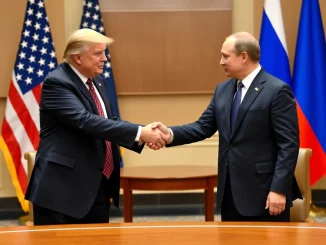
The United States and China have reached a pivotal agreement. They will significantly reduce mutual port fees. This decision marks a notable step in bilateral economic relations. The Wall Street Journal first reported this development. Officials from both nations concluded negotiations, aiming for more streamlined trade. This initiative seeks to ease financial burdens on shipping companies. It also aims to benefit importers and exporters on both sides. The move reflects a shared interest in fostering a more predictable trade environment. Such cooperation can underpin broader global economic stability. Furthermore, it suggests a willingness to address long-standing trade friction points.
Boosting Global Supply Chain Efficiency
The agreement directly targets supply chain efficiency. Port fees represent a tangible cost for businesses. Lowering these fees can lead to several positive outcomes. Firstly, shipping costs for goods moving between the two economic giants will decrease. This reduction directly benefits manufacturers and retailers. Secondly, it can accelerate the movement of goods. Fewer administrative hurdles often translate to faster processing times. This improved flow helps to mitigate potential bottlenecks. The agreement therefore serves to make international trade smoother. Businesses can plan their logistics with greater certainty. This is vital for industries reliant on timely deliveries and cost-effective transportation. The overall impact could be a more robust global trading system.
The Broader Economic Impact of Port Fee Reduction
This port fee reduction carries significant economic weight. It could stimulate increased trade volumes between the US and China. When costs decline, demand often rises. Consumers might see slightly lower prices on imported goods. Businesses, in turn, could experience improved profit margins. This agreement might also act as an anti-inflationary measure. Reduced shipping costs lessen the pressure on consumer prices. Furthermore, it sends a positive signal to international markets. Cooperation between the world’s two largest economies often fosters optimism. This optimism can translate into increased investment. It can also bolster overall economic confidence worldwide. Ultimately, a more efficient trade route benefits everyone.
How Market Sentiment Responds to US-China Cooperation
Improvements in US China trade relations often influence market sentiment. Investors closely watch geopolitical developments. Positive news, like this agreement, can boost confidence. Traditional financial markets typically react favorably. Stock indices may rise, reflecting investor optimism. This positive outlook can extend to other asset classes. While cryptocurrencies operate distinctly, they are not immune. A stable global economic environment often encourages risk-on behavior. When traditional markets perform well, some investors allocate capital to digital assets. Reduced economic uncertainty can therefore create a more favorable climate for crypto. It signals a decrease in systemic risk, which benefits all investment categories. Therefore, this agreement, while not directly crypto-related, still holds relevance. It contributes to the broader economic backdrop that shapes investment decisions globally.
Navigating Future Global Trade Dynamics
The agreement on port fees is a step forward. It demonstrates a commitment to resolving trade issues. However, broader challenges in US China trade persist. Technology, intellectual property, and geopolitical influence remain complex areas. This specific accord focuses on practical, tangible benefits. It prioritizes the mechanics of trade over ideological differences. Such pragmatic approaches are often effective. They build trust and create momentum for further discussions. The global economy benefits from reduced friction between major players. This agreement could pave the way for other cooperative efforts. It highlights the importance of dialogue in international relations. Moreover, it underscores the interconnectedness of global commerce. Every adjustment, however small, can ripple through the system.
The decision by the United States and China to lower mutual port fees is a noteworthy development. It promises to enhance supply chain efficiency and foster greater global economic stability. This agreement could also positively influence market sentiment. While not directly impacting cryptocurrencies, a more stable and efficient global economy generally supports investor confidence across all asset classes. This move signals a constructive approach to complex international trade relations. It ultimately benefits businesses, consumers, and the broader global financial landscape.
Frequently Asked Questions (FAQs)
Q1: What is the main outcome of the US-China agreement?
A1: The primary outcome is the mutual reduction of port fees between the United States and China. This aims to streamline trade and lower associated costs.
Q2: How will lower port fees impact businesses and consumers?
A2: Businesses can expect reduced shipping expenses and faster movement of goods. Consumers might see stable or potentially lower prices on imported products due to decreased logistical costs.
Q3: Is this agreement directly related to cryptocurrency markets?
A3: No, this agreement is not directly related to cryptocurrency markets. However, improved global economic stability and positive market sentiment resulting from such trade agreements can indirectly influence investor confidence in risk assets, including cryptocurrencies.
Q4: What are the broader implications for US-China trade relations?
A4: This agreement signifies a positive step towards cooperation. It suggests a willingness to address practical trade issues. This could build trust and potentially lead to further dialogue on more complex topics.
Q5: Will this agreement completely resolve trade tensions between the two nations?
A5: While a significant positive step, this agreement is unlikely to resolve all trade tensions. Broader issues like technology, intellectual property, and geopolitical influence still require ongoing discussion.
Q6: How does this agreement contribute to supply chain efficiency?
A6: By reducing fees and potentially administrative hurdles, the agreement makes the transportation of goods between the two countries more cost-effective and faster. This directly enhances supply chain efficiency.
Related News
- Sharps Technology's Strategic Leap: Partnering with Coinbase to Power a Solana Validator
- Trump-Linked Crypto Project's $5M WBTC Sale via DeFi Sends Shockwaves
- POPCAT Eyes Major Rally But PEPETO is Gaining on It
Related: Crypto.com's Strategic Integration of OpenClaw for Unprecedented AI Trading Security
Related: Injective (INJ) Price Analysis: Decoding the Critical $3 Support Test
Related: RWA TVL Milestone: How Securitize, Ondo, and Syrup Achieved the Crucial $1B Breakthrough