The cryptocurrency world constantly evolves, seeking innovative ways to enhance token value and foster ecosystem growth. Currently, a significant development is capturing the attention of investors and enthusiasts alike. The **Just DAO** is actively discussing a transformative governance proposal. This proposal centers on introducing a robust **JST buyback and burn** program, aiming to redefine the token’s economic model. This strategic move could significantly impact the future trajectory of the JST token, attracting more participants to the Just ecosystem. Investors are closely watching this crucial discussion, anticipating its potential effects on market dynamics.
Understanding the JST Buyback and Burn Proposal
The core of this proposal involves a mechanism designed to reduce the circulating supply of JST tokens. Specifically, it outlines a two-phase approach to the **JST buyback and burn** program. According to cryptocurrency analyst lizi1618, the plan initiates an on-chain buyback. This trigger activates once the net revenue from two key sources — the JustLend DAO and the USDD ecosystem — collectively surpasses a substantial $10 million threshold. This revenue milestone serves as a clear indicator of the ecosystem’s health and profitability, ensuring the program’s sustainability. Therefore, the proposal ties the buyback directly to the success of its underlying platforms.
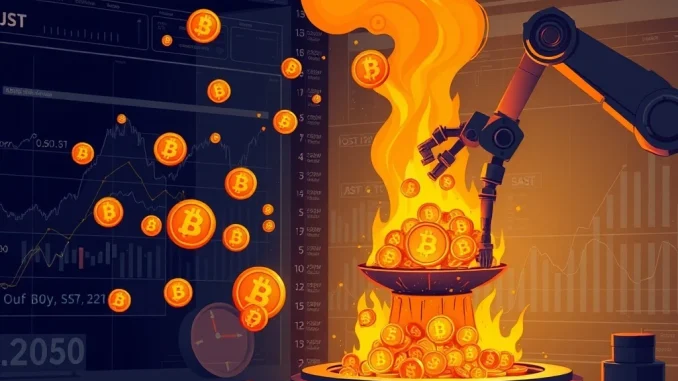
Initially, revenue generated before October 1, 2025, will exclusively fund the buyback process. This means that JST tokens will be purchased from the open market. Subsequently, revenue generated after this date will be utilized differently. It will support both the buyback and a permanent burning of JST tokens. This dual approach aims to further optimize **JST tokenomics**. Burning tokens permanently removes them from circulation, creating scarcity. Consequently, this scarcity can potentially increase the value of the remaining tokens. This comprehensive strategy reflects a forward-thinking approach to managing token supply and demand.
The Strategic Importance of JST Tokenomics
Optimizing **JST tokenomics** stands as a primary objective of this new proposal. Tokenomics refers to the economics of a cryptocurrency, encompassing its supply, distribution, and utility. A well-designed tokenomics model is crucial for long-term project sustainability and value appreciation. This proposal directly addresses these aspects. By implementing a systematic buyback and burn, the Just DAO seeks to create a deflationary pressure on the JST token. Such mechanisms are often favored by investors. They signal a commitment to enhancing token value over time. Furthermore, a robust tokenomics structure can attract new investors. It provides a clearer value proposition. Therefore, this proposal is a strategic step towards strengthening JST’s market position.
The plan introduces a predictable and transparent method for managing JST’s supply. This transparency builds trust within the community. Investors gain confidence when they understand how token value is supported. The dual phase of buyback then burn offers flexibility. It allows the ecosystem to adapt to changing market conditions. Ultimately, these measures aim to create a more stable and attractive asset. This focus on long-term value benefits all JST holders. Consequently, the proposal positions JST for sustained growth and resilience within the competitive crypto landscape.
How JustLend DAO Fuels the Initiative
A significant aspect of this proposal relies on the performance of the **JustLend DAO**. JustLend is a decentralized lending protocol operating within the Tron ecosystem. It allows users to lend and borrow various cryptocurrencies, earning interest or paying interest, respectively. The protocol generates substantial revenue from these activities, primarily through lending fees and other operational charges. This revenue stream is critical. The proposal specifically targets the net revenue from JustLend DAO as a key component for funding the **JST buyback and burn** program. Consequently, the success and growth of JustLend directly contribute to the JST token’s enhanced value proposition.
Increased activity on the JustLend platform, therefore, directly benefits JST holders. More users lending and borrowing means higher revenue generation. This higher revenue, in turn, accelerates the trigger for the buyback program. It ensures a consistent flow of funds to support JST’s tokenomics. The symbiotic relationship between JustLend DAO and JST’s value is clear. JustLend’s robust performance underpins the entire buyback and burn initiative. This integration showcases a well-thought-out ecosystem design. It creates a positive feedback loop, driving both utility and value.
The Critical Role of the USDD Ecosystem
In addition to JustLend, the **USDD ecosystem** plays an equally vital role in funding the proposed buyback and burn. USDD is a decentralized algorithmic stablecoin within the Tron network. It aims to maintain a stable peg to the US dollar. The ecosystem surrounding USDD generates revenue through various mechanisms, including arbitrage opportunities, collateral management, and potentially other integrated financial services. This revenue stream, combined with that from JustLend DAO, forms the financial backbone of the proposed JST program. Therefore, the health and expansion of the USDD ecosystem are paramount to the success of the **JST buyback and burn**.
The stability and growth of USDD directly impact the overall financial strength of the Just ecosystem. A thriving USDD environment translates into more consistent and higher revenue generation. This revenue then fuels the buyback and burn, benefiting JST holders. The proposal effectively leverages the collective strength of these interconnected platforms. It creates a unified economic strategy. Ultimately, this integration demonstrates a comprehensive approach to token value management. It highlights the strategic importance of both JustLend and the USDD ecosystem for JST’s long-term sustainability.
Governance and Community Involvement within the Just DAO
The proposal’s discussion within the **Just DAO** underscores the power of decentralized governance. A Decentralized Autonomous Organization (DAO) allows token holders to participate directly in decision-making processes. JST holders, therefore, have the opportunity to vote on this significant proposal. This democratic approach ensures that community sentiment shapes the project’s direction. It fosters a sense of ownership among participants. Consequently, the transparency of the discussion strengthens the entire ecosystem. Community input is invaluable for successful implementation.
The governance process typically involves several stages. Initially, a proposal is drafted and presented. Then, the community engages in discussions, providing feedback and suggesting refinements. Finally, token holders cast their votes. A successful vote would lead to the on-chain implementation of the **JST buyback and burn** program. This active involvement of the community is a cornerstone of decentralized finance. It ensures that decisions align with the collective interests of all stakeholders. Therefore, the ongoing discussion within the Just DAO represents a crucial phase for the future of JST.
Potential Impact and Future Outlook for JST
If approved, this **JST buyback and burn** proposal could significantly impact the token’s market dynamics. Reducing the circulating supply often leads to increased scarcity. This scarcity can, in turn, drive up demand and potentially price. For existing JST holders, this represents a positive development. It signals a proactive approach to value creation. Furthermore, a stronger JST token could enhance the overall attractiveness of the Just ecosystem. It may draw in new users and developers. This expansion is vital for long-term growth and innovation.
The long-term outlook for JST appears promising with such initiatives. The continuous revenue generation from JustLend DAO and the USDD ecosystem provides a sustainable funding source for the program. This predictability offers a degree of stability. It differentiates JST from projects with less defined value-accrual mechanisms. Ultimately, the proposal reflects a mature understanding of market forces. It aims to position JST as a resilient and valuable asset in the competitive cryptocurrency landscape. The community eagerly awaits the outcome of this pivotal governance vote, anticipating a brighter future for JST.
In conclusion, the **Just DAO**’s discussion regarding the **JST buyback and burn** proposal marks a significant moment for the Just ecosystem. This strategic initiative, fueled by the revenues of the **JustLend DAO** and **USDD ecosystem**, aims to fundamentally optimize **JST tokenomics**. By systematically reducing token supply, the proposal seeks to enhance JST’s value and foster a more robust, sustainable economic model. The community’s active participation in this governance process highlights the democratic nature of decentralized finance, ensuring decisions reflect collective interests. As the crypto world watches, the potential approval of this proposal could usher in a new era of growth and stability for the JST token, reinforcing its position within the broader blockchain landscape.
Frequently Asked Questions (FAQs)
What is the JST buyback and burn proposal?
The JST buyback and burn proposal is a governance initiative by the Just DAO. It aims to reduce the circulating supply of JST tokens. This reduction occurs through purchasing tokens from the market (buyback) and permanently removing them (burn), thereby optimizing JST tokenomics.
How will the JST buyback and burn program be funded?
The program will be funded by the net revenue generated from two key platforms: the JustLend DAO and the USDD ecosystem. The buyback mechanism triggers once this combined revenue exceeds $10 million.
What are the two phases of the buyback and burn program?
Initially, revenue generated before October 1, 2025, will be used exclusively for JST buybacks. After this date, subsequent revenue will be used for both buying back JST tokens and permanently burning them, aiming for enhanced scarcity.
What is the purpose of optimizing JST tokenomics?
Optimizing JST tokenomics aims to create a deflationary pressure on the JST token. This can potentially increase its value, enhance scarcity, and make the token a more attractive asset for investors, ensuring long-term sustainability and growth for the Just ecosystem.
How does the Just DAO facilitate this proposal?
The Just DAO operates as a Decentralized Autonomous Organization. It allows JST token holders to vote on governance proposals like this one. This ensures community involvement and democratic decision-making in shaping the project’s future.
What is the expected impact of the JST buyback and burn proposal?
If approved, the proposal is expected to reduce JST’s circulating supply, potentially leading to increased demand and price appreciation. It aims to strengthen JST’s market position and attract more users and developers to the Just ecosystem, fostering overall growth and stability.