A significant development is unfolding within the digital asset landscape. Regulators in the United States are intensifying their scrutiny of companies involved in the cryptocurrency sector. This move specifically targets potential US crypto insider trading activities. Authorities are concerned about suspicious stock price movements tied to public disclosures of cryptocurrency treasury strategies. This marks a crucial moment for market integrity and investor protection in the evolving crypto space.
Unpacking the SEC and FINRA Scrutiny on US Crypto Insider Trading
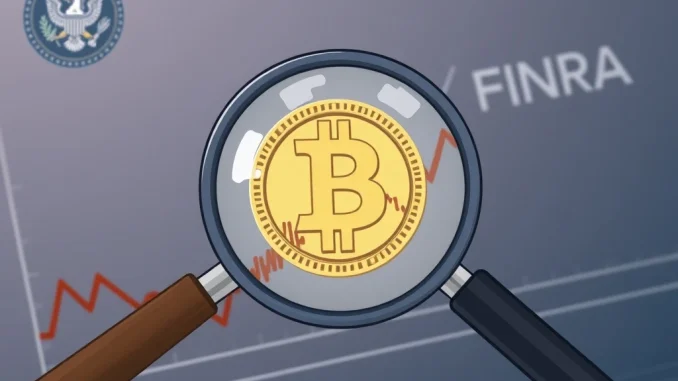
The U.S. Securities and Exchange Commission (SEC) and the Financial Industry Regulatory Authority (FINRA) are leading this investigation. These prominent regulatory bodies are scrutinizing potential US crypto insider trading. Their focus is on the stock performance of companies adopting digital asset strategies. According to reports, these authorities have sent formal letters to numerous firms. These letters highlight concerns over unusual trading patterns. Specifically, they noted surges in trading volume and stock prices. These increases often occurred just before public announcements about a company’s crypto adoption. Consequently, this raises red flags about possible illicit activities.
The SEC, a primary regulator of securities markets, aims to protect investors. FINRA, a self-regulatory organization, oversees broker-dealers. Both agencies share a common goal: ensuring fair and orderly markets. Their joint SEC FINRA probe signals a serious commitment. They want to stamp out market manipulation in the crypto-adjacent stock market. This initial outreach suggests a broader investigative effort. It could significantly impact how public companies disclose their crypto dealings.
The Rise of Cryptocurrency Treasury Strategies and Regulatory Focus
Many companies have embraced cryptocurrency treasury strategies in recent years. This involves holding digital assets like Bitcoin or Ethereum on their balance sheets. Companies adopt these strategies for various reasons. Some view cryptocurrencies as a hedge against inflation. Others see them as a way to diversify traditional asset portfolios. Furthermore, it can attract a new generation of investors. Roughly 200 companies have publicly announced such strategies. These announcements often generate significant market interest. However, this growing trend has also drawn the attention of regulators. They are keen to ensure transparency and prevent abuse. The surge in adoption brings new challenges for oversight. It blends traditional finance with the nascent digital asset world. Therefore, robust regulatory frameworks become essential.
The current investigation directly targets these companies. It specifically examines their stock performance around crypto-related announcements. Regulators are concerned that some individuals might have profited from privileged information. This could involve knowledge of an upcoming crypto adoption announcement. Such actions undermine market fairness. They also erode investor confidence. The SEC FINRA probe underscores a critical point. Companies cannot operate outside established financial rules, even with innovative strategies. Adherence to fair disclosure is paramount for all publicly traded entities. This principle extends to their digital asset holdings.
Understanding Insider Trading in a Digital Asset Landscape
Insider trading involves using non-public information for personal gain. This practice is illegal and unethical in traditional financial markets. For instance, an executive might know about a merger before it’s announced. If they buy shares based on this knowledge, it’s insider trading. In the context of crypto investment firms, this takes on a new dimension. An insider might learn that their company plans to buy a large amount of Bitcoin. This knowledge could cause the company’s stock to rise upon announcement. If that insider buys company stock before the news breaks, they could face charges. This is precisely what regulators are investigating.
The letters sent by the SEC and FINRA explicitly warn of potential violations. These warnings pertain to fair disclosure rules. These rules prevent selective dissemination of material information. Companies must release important news broadly and simultaneously. This ensures all investors have equal access to information. Consequently, it prevents a few individuals from gaining an unfair advantage. Proving US crypto insider trading can be complex. It requires meticulous analysis of trading data. It also involves establishing a clear link between insider knowledge and trading activity. However, regulators possess sophisticated tools for this task. They are committed to upholding market integrity.
Navigating Fair Disclosure Rules and Compliance for Crypto Investment Firms
Fair disclosure rules are foundational to equitable markets. Regulation FD (Fair Disclosure) is a key component of these rules. It generally prohibits public companies from selectively disclosing material non-public information. Instead, they must disseminate such information broadly. This typically happens through official press releases or SEC filings. The goal is to ensure all investors receive critical information simultaneously. This prevents market manipulation and promotes transparency. When crypto investment firms announce new treasury strategies, the news can significantly impact their stock. If this information leaks or is selectively shared, it violates Regulation FD.
The SEC and FINRA letters specifically mentioned concerns about these violations. They are examining whether companies properly managed the disclosure of their cryptocurrency treasury strategies. Improper disclosure could lead to enforcement actions. This includes fines and other penalties. Therefore, compliance is crucial for all firms. Companies must establish robust internal controls. They need clear policies for handling material non-public information. Training employees on these rules is also vital. Ultimately, transparency benefits both companies and investors. It fosters trust and stability in the market.
Broader Implications of the Crypto Regulatory Investigation
This crypto regulatory investigation carries significant implications. Firstly, it signals a more aggressive stance by US regulators. They are actively monitoring the intersection of traditional markets and digital assets. This probe could lead to increased enforcement actions. Firms found in violation may face substantial fines. They could also suffer reputational damage. Secondly, it highlights the growing maturity of the crypto market. As institutional adoption increases, so does regulatory oversight. This is a natural progression for any emerging asset class. It aims to instill confidence and reduce risks for participants.
Furthermore, this investigation could shape future regulatory frameworks. It might lead to clearer guidelines for public companies holding digital assets. It could also influence how companies communicate their crypto strategies. The market views this move as the beginning of a full-scale effort. Regulators want to ensure fairness across all asset classes. This includes the rapidly expanding digital asset sector. Ultimately, this crypto regulatory investigation reinforces a core principle. All market participants must adhere to the same rules. This ensures a level playing field for everyone. It also protects the integrity of financial markets.
Conclusion
The ongoing SEC FINRA probe into US crypto insider trading is a pivotal moment. It underscores the increasing regulatory focus on digital assets. Crypto investment firms must prioritize compliance and transparency. Adhering to fair disclosure rules is not optional. It is a fundamental requirement for market participation. This investigation serves as a clear warning. Regulators are vigilant. They are committed to preventing illicit activities. As the digital asset space continues to evolve, robust oversight remains essential. This ensures investor protection and maintains market integrity for all.
Frequently Asked Questions (FAQs)
What is the primary concern of US regulators in this probe?
US regulators, specifically the SEC and FINRA, are primarily concerned about potential US crypto insider trading. They are investigating unusual surges in stock prices and trading volumes. These surges often occur just before public announcements by companies about adopting cryptocurrency treasury strategies. This suggests that some individuals may be profiting from non-public information.
Which regulatory bodies are conducting this investigation?
The U.S. Securities and Exchange Commission (SEC) and the Financial Industry Regulatory Authority (FINRA) are jointly conducting this crypto regulatory investigation. Both agencies play critical roles in overseeing and regulating financial markets in the United States.
What are “cryptocurrency treasury strategies”?
“Cryptocurrency treasury strategies” involve public companies holding digital assets, such as Bitcoin or Ethereum, on their balance sheets as part of their corporate treasury. Companies adopt these strategies for various reasons, including inflation hedging, diversification, or strategic positioning in the digital economy.
What are fair disclosure rules, and why are they relevant?
Fair disclosure rules, like Regulation FD, require public companies to disseminate material non-public information broadly and simultaneously to all investors. This prevents selective disclosure and ensures everyone has equal access to critical market-moving information. These rules are relevant because any selective sharing of information about cryptocurrency treasury strategies could violate these regulations.
What are the potential consequences for companies found in violation?
Companies found in violation of insider trading or fair disclosure rules could face significant penalties. These may include substantial fines, enforcement actions, legal proceedings, and severe damage to their reputation. The SEC FINRA probe aims to ensure accountability and deter future misconduct.
How might this probe impact the broader crypto market?
This crypto regulatory investigation could lead to increased transparency and clearer guidelines for public companies involved with digital assets. It may also boost investor confidence by demonstrating regulators’ commitment to market integrity. Ultimately, it could help shape the future regulatory landscape for the entire digital asset ecosystem.