The Federal Reserve’s latest decision to hold interest rates steady has sparked intense debate, with two key officials pushing for a 25-point cut. This rare dissent highlights growing divisions within the Fed as it navigates inflation risks and political pressure. Here’s what it means for the economy and your investments.
Why Did the Fed Hold Rates Steady?
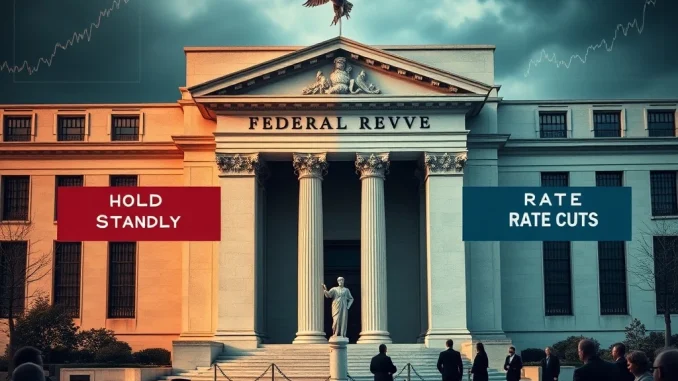
The Federal Reserve maintained its key interest rate between 4.25% and 4.50% in July 2025, despite calls for reduction. This cautious approach reflects:
- Ongoing inflation concerns
- Signs of economic slowing
- Desire to maintain policy consistency
The Growing Divide Over Interest Rates
Two prominent Fed governors, Christopher Waller and Michelle Bowman, broke ranks to advocate for a 25-basis-point cut. Their dissent signals:
| Official | Previous Stance | Current Position |
|---|---|---|
| Michelle Bowman | Supported higher rates | Now favors cutting rates |
| Christopher Waller | Moderate voice | Argues inflation supports easing |
Political Pressure and Monetary Policy
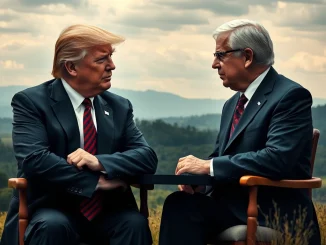
President Trump has repeatedly called for aggressive rate cuts to stimulate growth ahead of the election. However, the Fed has maintained its independence, focusing instead on economic indicators rather than political demands.
What This Means for Inflation and the Economy
The Fed’s decision reflects its delicate balancing act:
- Inflation remains above target levels
- Economic growth shows signs of weakening
- Labor market conditions are mixed
Expert Analysis on the Fed’s Next Moves
Financial analysts suggest this dissent could foreshadow future policy shifts. JPMorgan’s Michael Feroli notes this may be the first double dissent in decades, indicating potential changes ahead in monetary policy direction.
FAQs About the Fed’s Rate Decision
Q: Why did two Fed officials dissent?
A: Governors Waller and Bowman believe economic conditions warrant a rate cut to address slowing growth and moderating inflation.
Q: How does this affect cryptocurrency markets?
A: Stable rates may maintain current market conditions, while future cuts could increase risk appetite among investors.
Q: What’s the significance of this double dissent?
A: It shows growing divisions within the Fed about the proper response to current economic conditions.
Q: When might the Fed actually cut rates?
A: Most analysts predict potential cuts later in 2025 if inflation continues to moderate and growth slows further.